Tuesday 27th October 2026
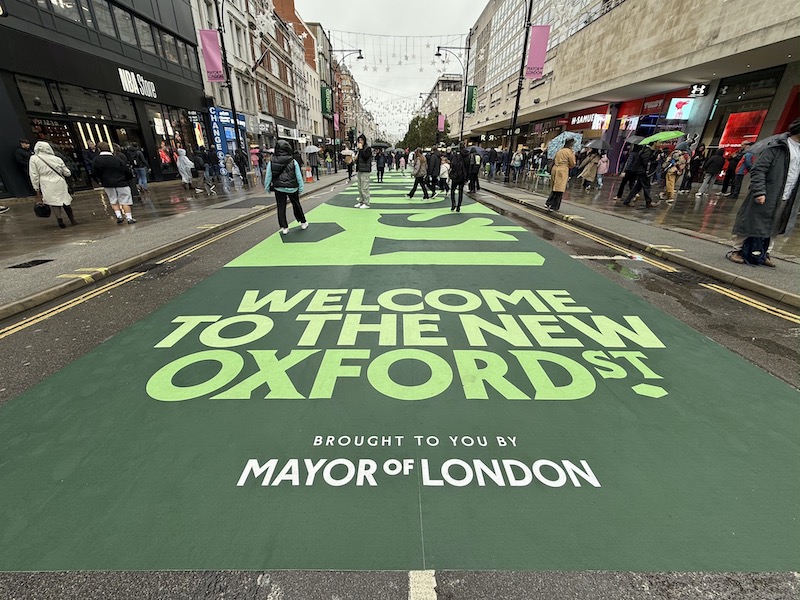
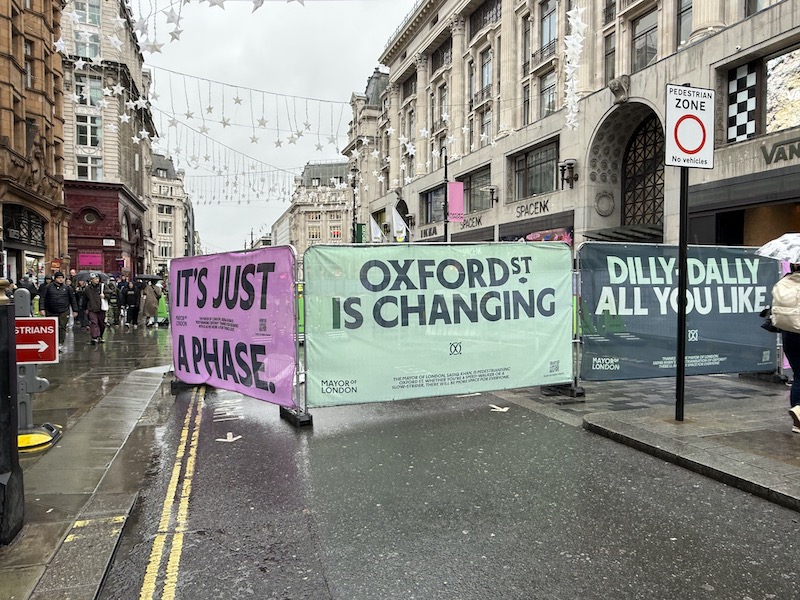
It’s finally happened. After years of controversy with Westminster Council and others objecting, Mayor Kahn’s vision for a traffic free Oxford Street, first launched in his 2016 manifesto, finally got under way yesterday when the 900 yard middle section, between Great Portland Street and Selfridges, of the 1.2 mile long road was pedestrianised with not even cycles allowed to use the road.
I blogged about this proposal two years ago expressing concern at the impact on passengers using the busy bus stops served by the five TfL routes still using the street – routes 7, 94, 98, 139 and 390.
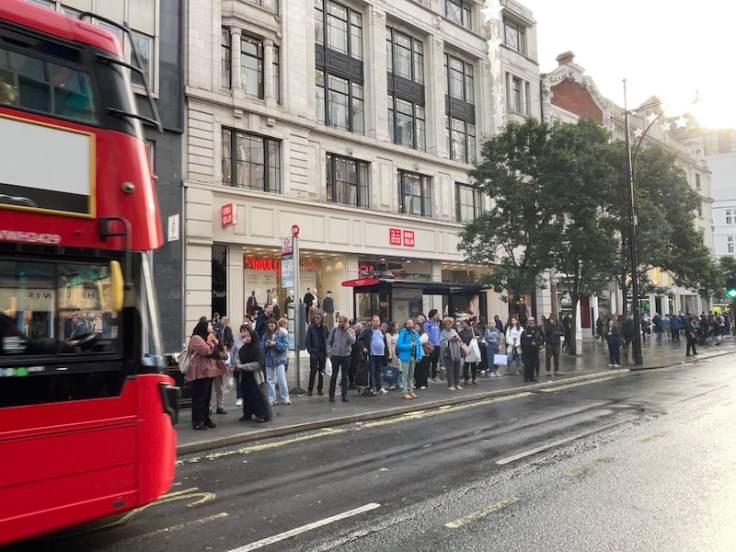
I pointed out the proposed alternative routing via Wigmore Street, Henrietta Place and Cavendish Place is very congested…
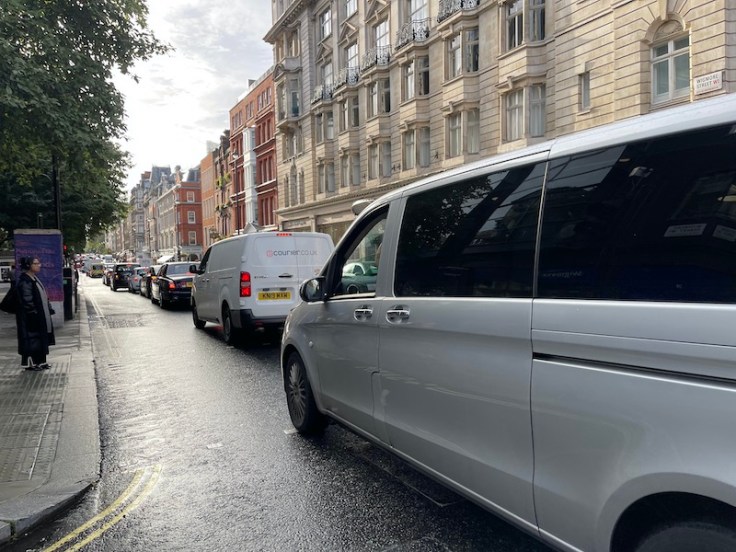
… inevitably delaying buses and increasing journey times thereby making them even less attractive than they already are in central London.
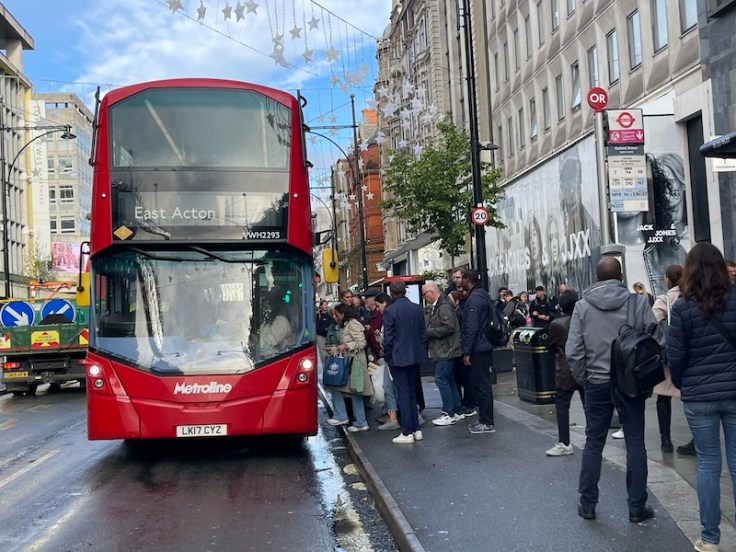
TfL has mitigated that problem by simply cutting back two of the routes completely – the 7 (from East Acton) and 94 (from Acton Green), which previously ran from the Marble Arch/Selfridges end to terminate at Oxford Circus (7) or continued via Regent Street to Piccadilly Circus (94) – both now terminate at Marble Arch.
As you can see from Mike Harris’s updated map below, passengers for route 7 now face a lengthy walk from/to Oxford Circus to/from the bottom of Edgware Road (the other side of Marvle Arch) making for a very unattractive proposition.
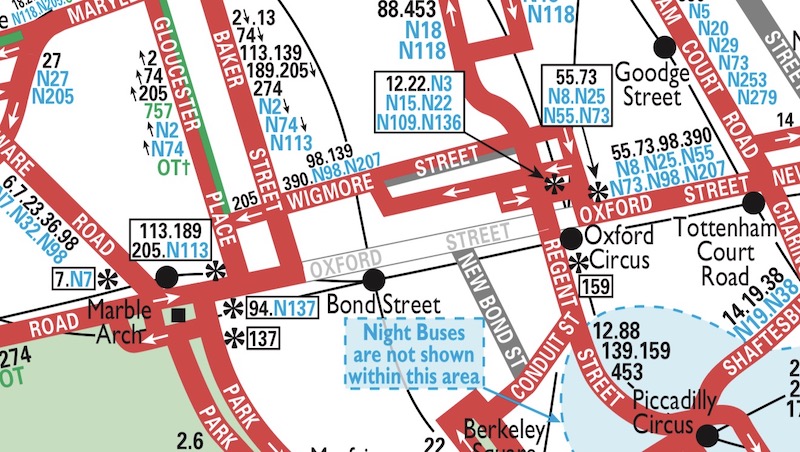
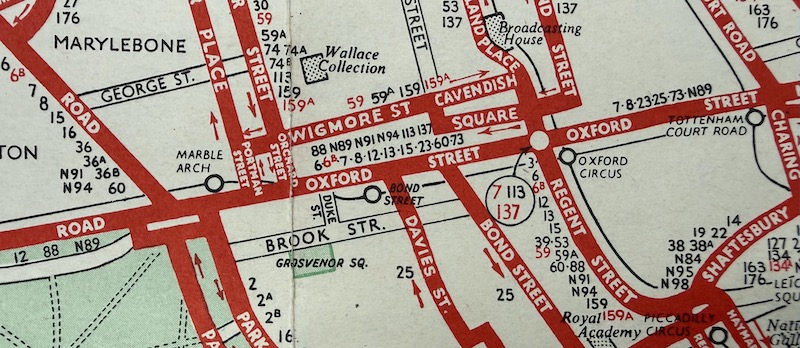
Having ditched the 7 and 94, that just leaves routes 98 (Willesden to Holborn), 139 (Golders Green to Waterloo) and 390 (Victoria to Archway) as the only three left from a road once served in its heyday by a dozen busy bus routes (eg 60 years ago, as a bus travelling teenager, I remember you could catch a bus on routes 6, 7, 8, 12, 13, 15, 23, 60, 73, 88, 113 and 137 along the road. How the mighty have fallen.
I took a look at the new arrangements on their first day, yesterday, to see how things were going.
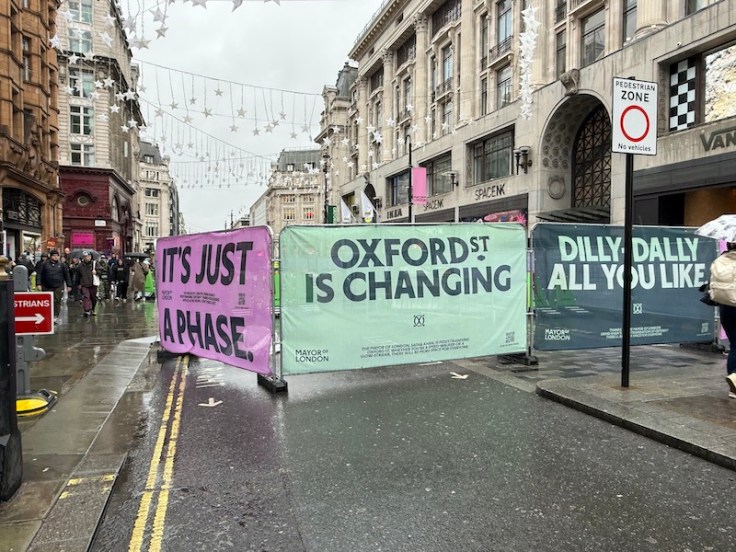
It wasn’t good.
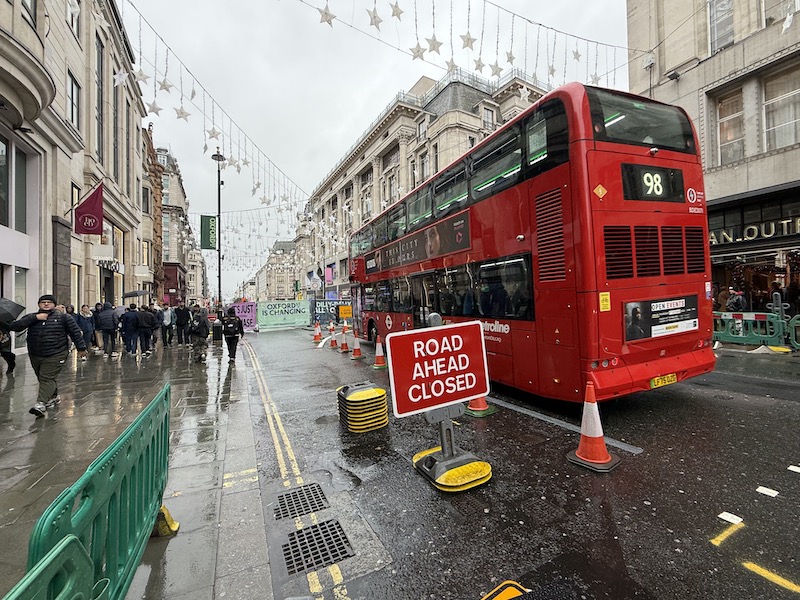
In fact it was awful. I won’t be returning any time soon, especially if it involves travelling on routes 98, 139 or 390.
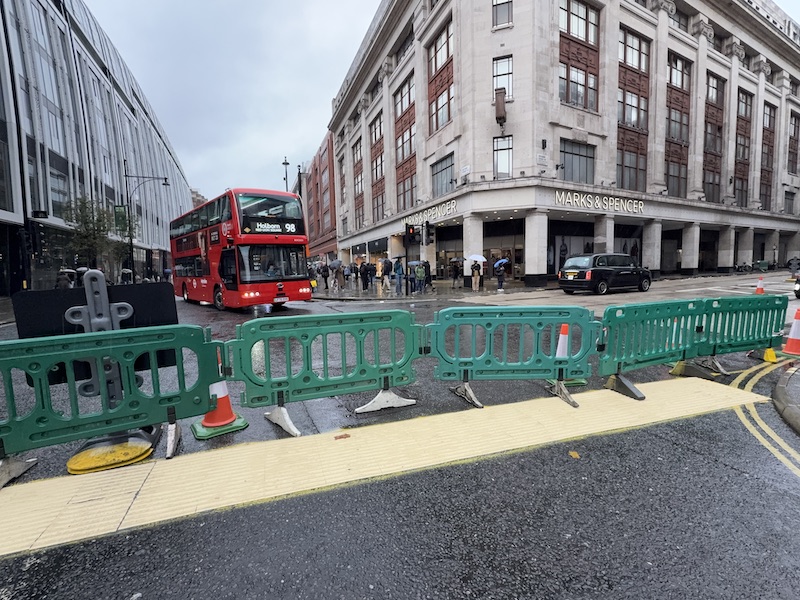
PR type people were taking photographs of the new ‘green carpet’ laid at the eastern end but, meanwhile, there were chaotic scenes in neighbouring roads as buses struggled to get through.
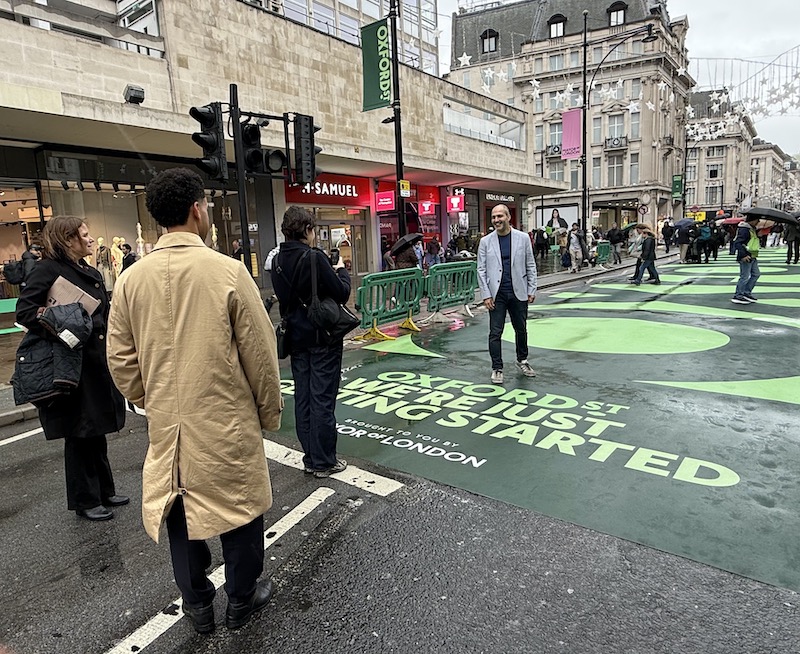
The pre-pedestrianised scheduled journey time between Oxford Street/Great Portland Street (just east of Oxford Circus Underground Station) and Selfridges was an average of six to seven minutes.
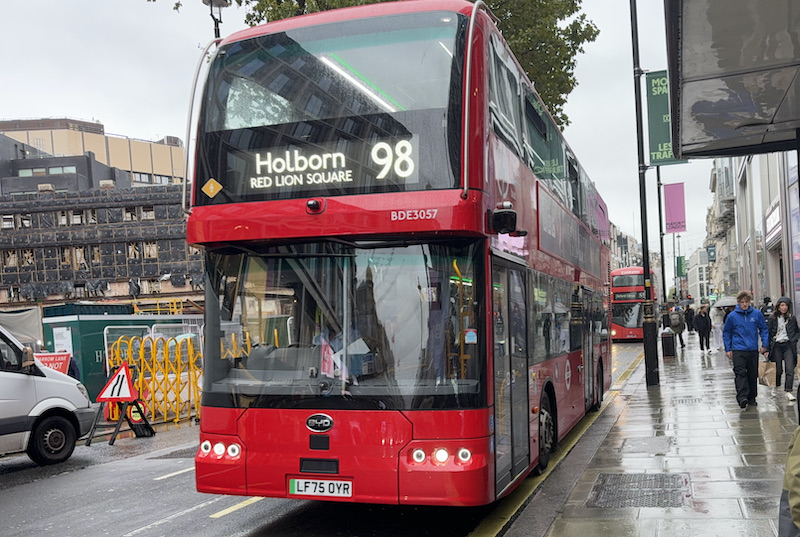
From yesterday that scheduled journey time has inevitably increased to an optimistic 10-11minutes. The reality yesterday morning on the three journeys I made in both directions was, ignoring an outlier, an average of 16 minutes (giving an average speed of 1.92 mph to cover what was a distance of 900 yards).
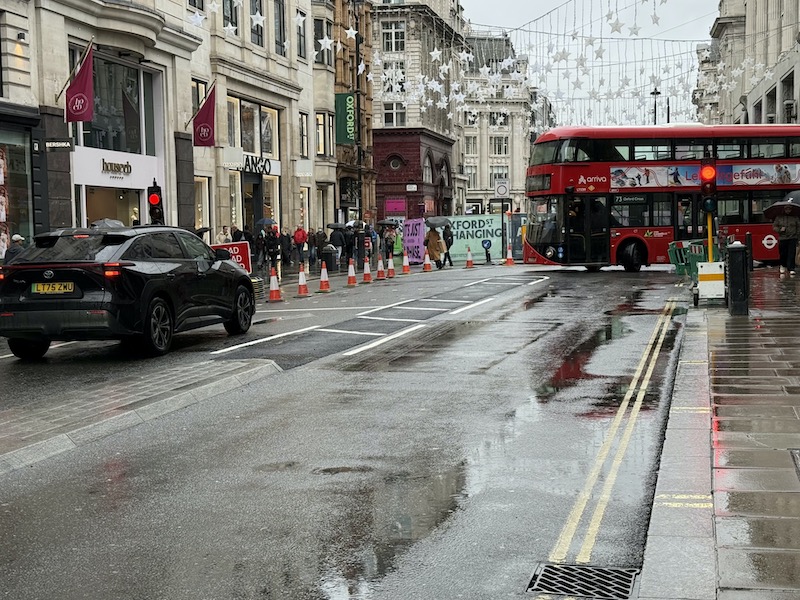
The outlier took 25 minutes mainly because over five minutes was spent stationary with the road ahead blocked as a bus was having difficulty negotiating the turn into Great Portland Street at the eastern end’s closure point where all traffic turns into and from that street. It’s not an easy turn especially if traffic from Oxford Street over shoots the traffic lights and then finds the way ahead blocked which I guess is what happened.
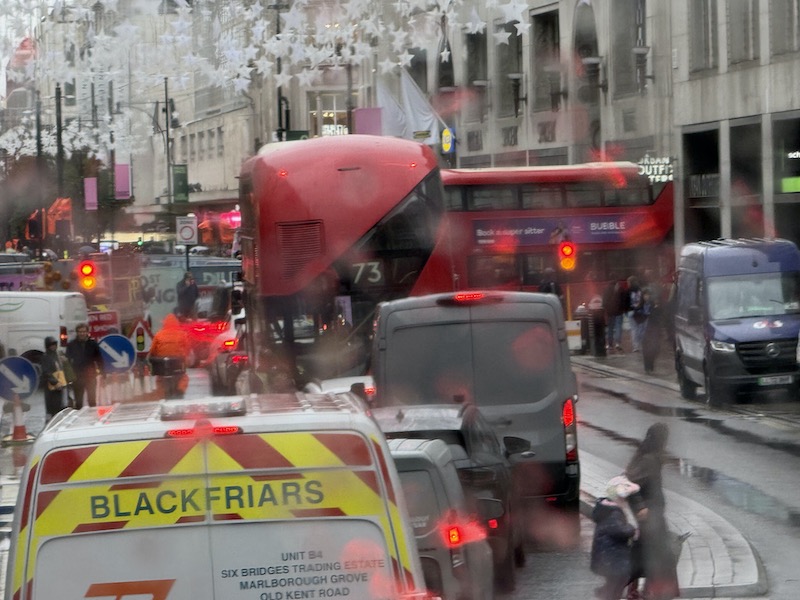
Having turned the corner into Great Portland Street, the next problem is negotiating buses now taking their stand time at one of the many bus stands which have been repositioned and are now dotted around the area adding to the restricted road widths available for passing traffic.
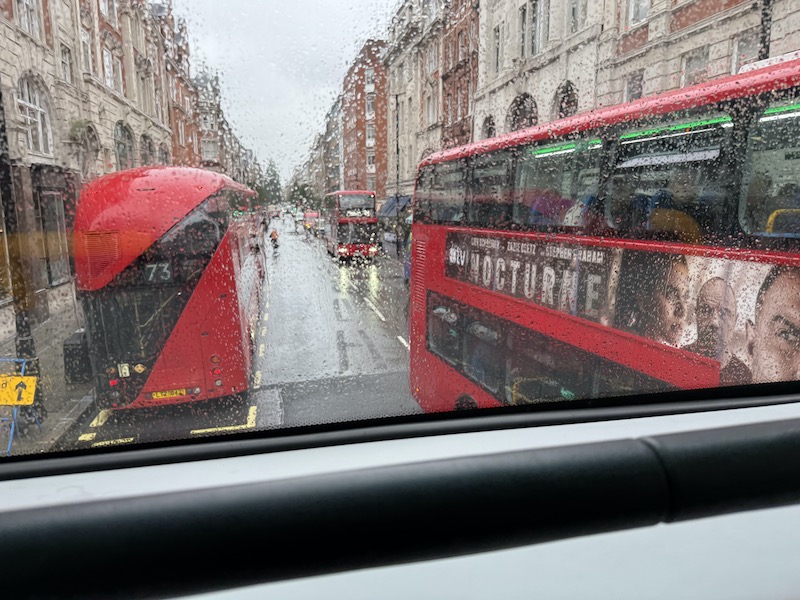
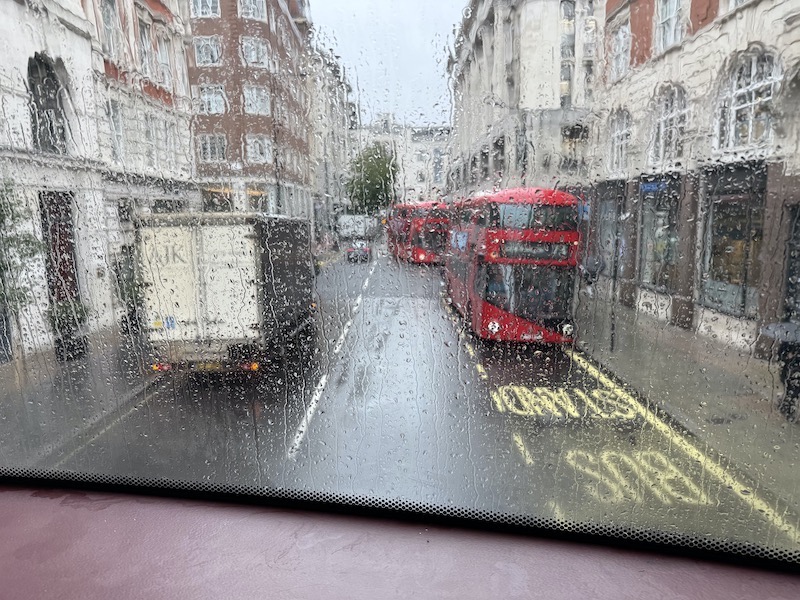
In addition to there just being too much traffic, another big problem is the number of vans parked on double yellow lines (and even in bays marked as bus stands) doing deliveries and pick ups as well as scaffolding contractors and other impediments including roadwork compounds.
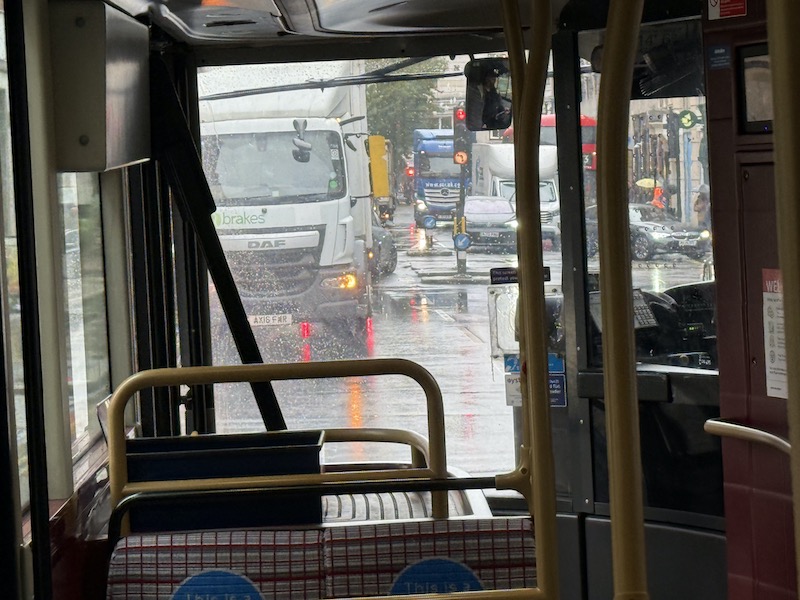
Delivery vans and lorries were everywhere, even parked right bang in front of traffic lights with no thought seemingly given to their impact on passing traffic while deliveries are being made.
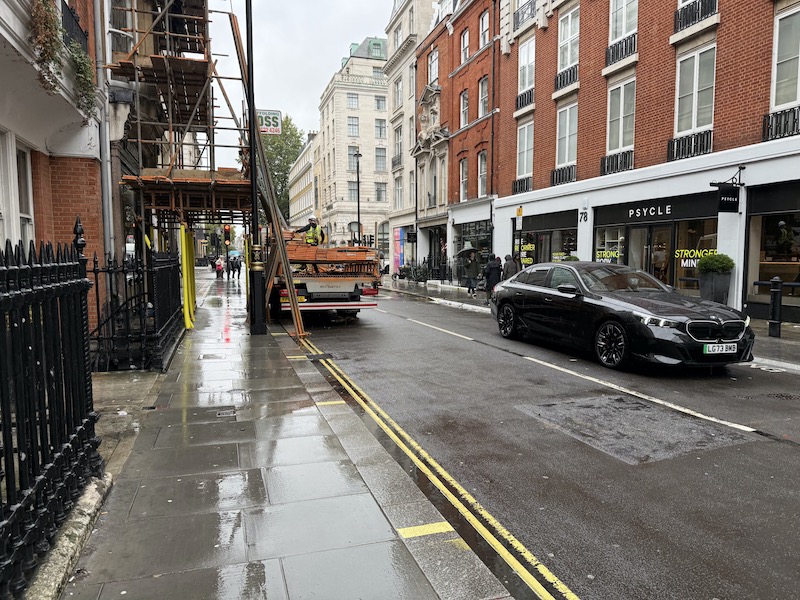
I would have expected some high profile enforcement of parking restrictions, especially on the first morning of the Mayor’s prized scheme. on what are now key thoroughfare roads, but instead, the endemic attitude to parking anywhere was bordering on anarchy…
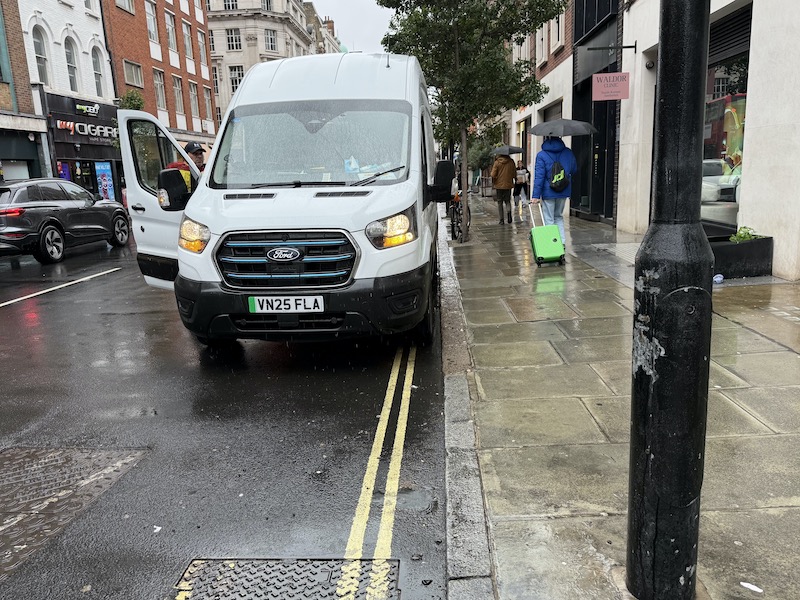
… with buses and other traffic having to struggle through the blockages.
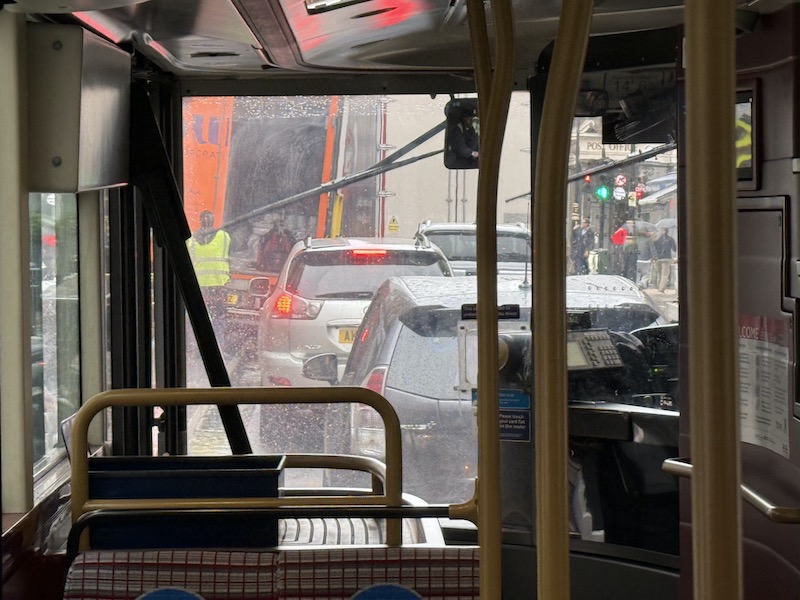
I felt sorry for the bus drivers but I suppose they’re used to such chaotic scenes in central London and just take it in their stride.
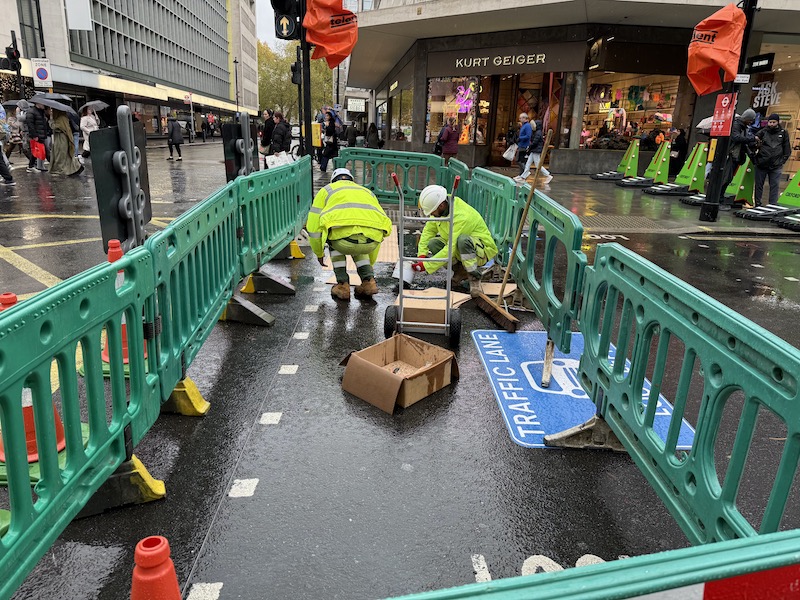
Meanwhile, in Oxford Street itself, there were no end of high viz wearing workers attending to the now defunct junctions and make them pedestrian friendly…
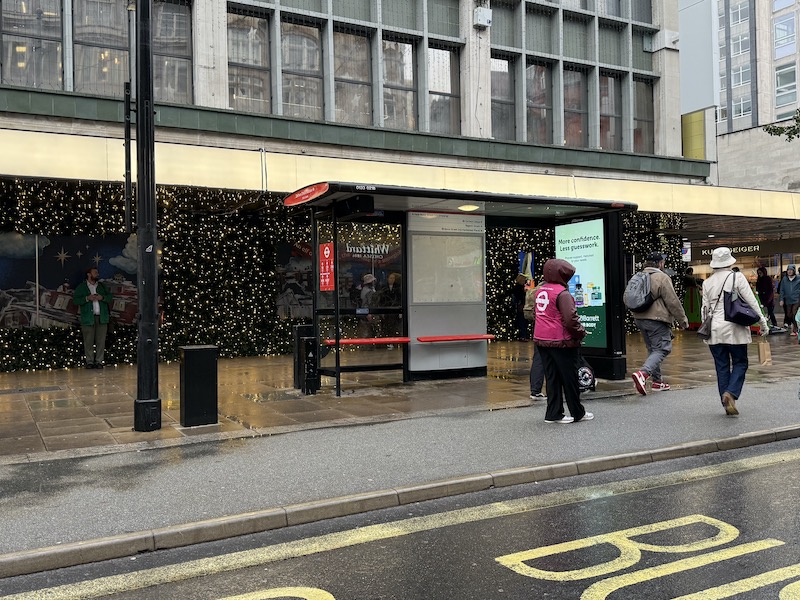
… as well as every bus stop no longer being served along the newly pedestrianised section having the benefit of pink tabard wearing agency staff for TfL to help any bewildered passengers wondering how far (and where) they’ve got to walk to catch a bus.
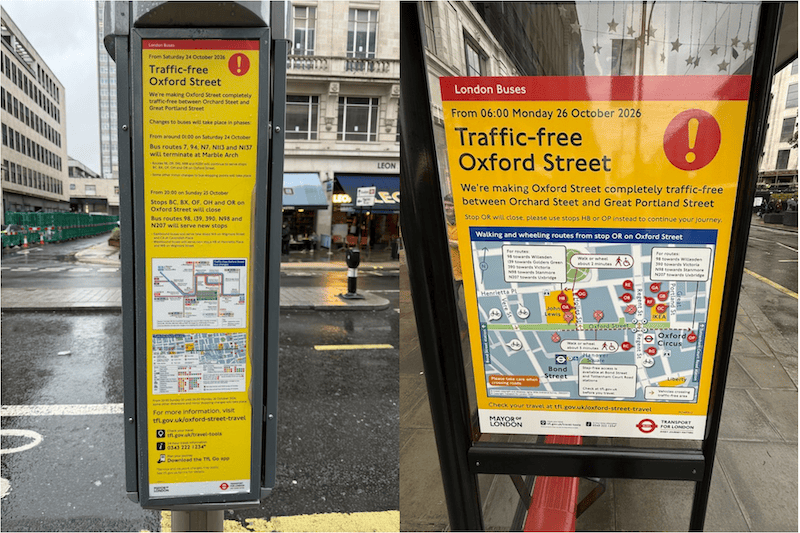
Bus stops (and some shelters) sported the usual TfL yellow notices in the timetable panels with a rather confusing map and lots of detail about which lettered bus stops are where.
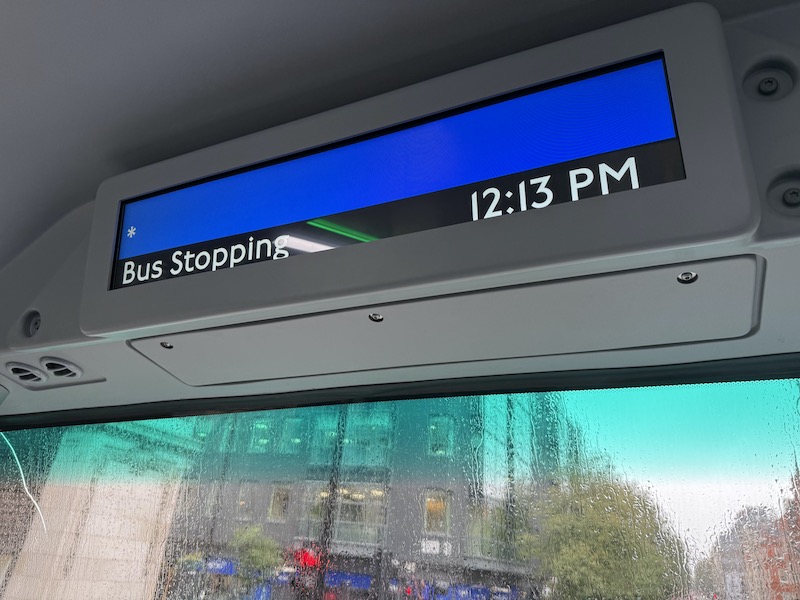
On board the buses I noticed inconsistencies with what information is available on the, now legally required, next stop announcements/displays.
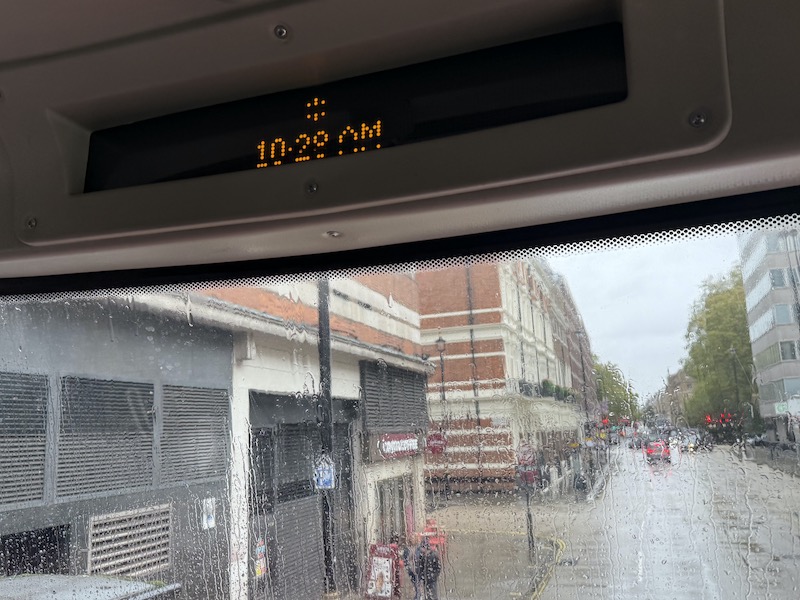
Some were working…
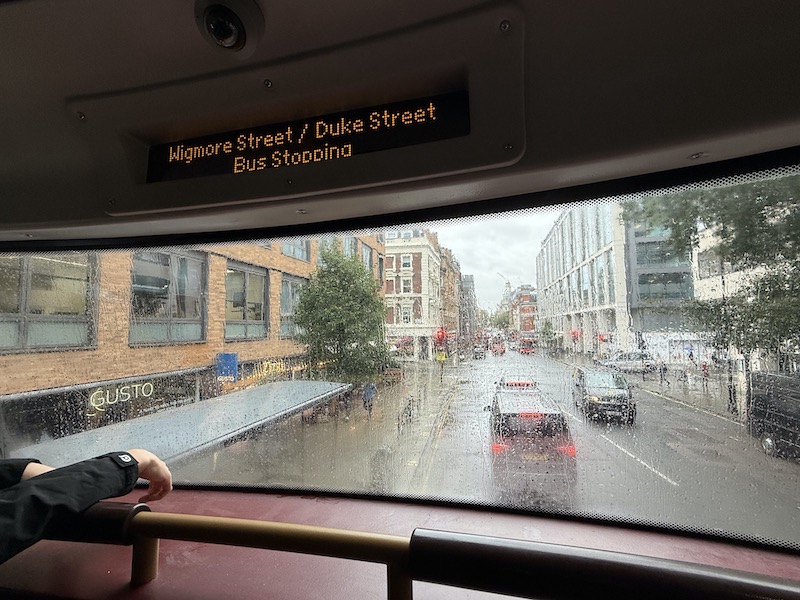
… others weren’t – which is a poor show considering how long this scheme has been in the planning.
What I hadn’t envisaged, but now I think about it, it’s obvious (for anti-terror attack reasons), is that each of the junctions where north/south traffic crosses the east/west pedestrianised Oxford Street, there are now elaborate temporary barriers and bollards in place…
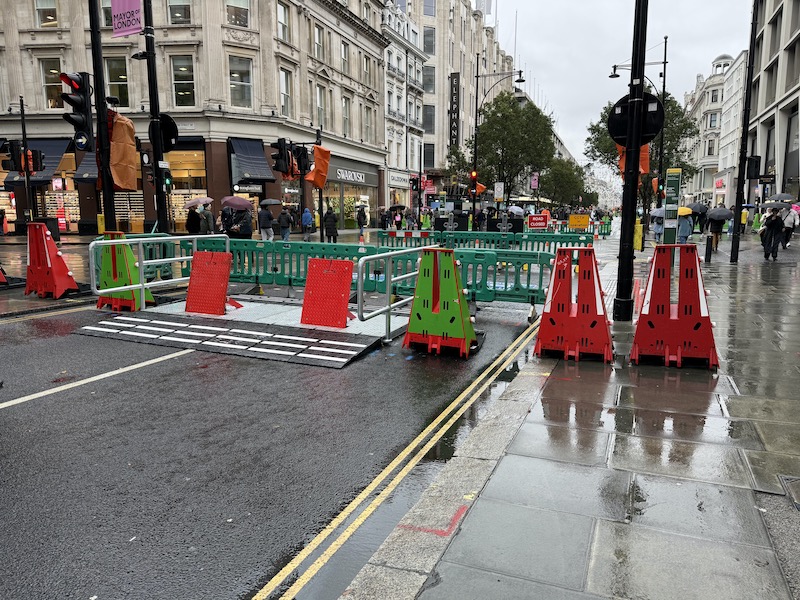
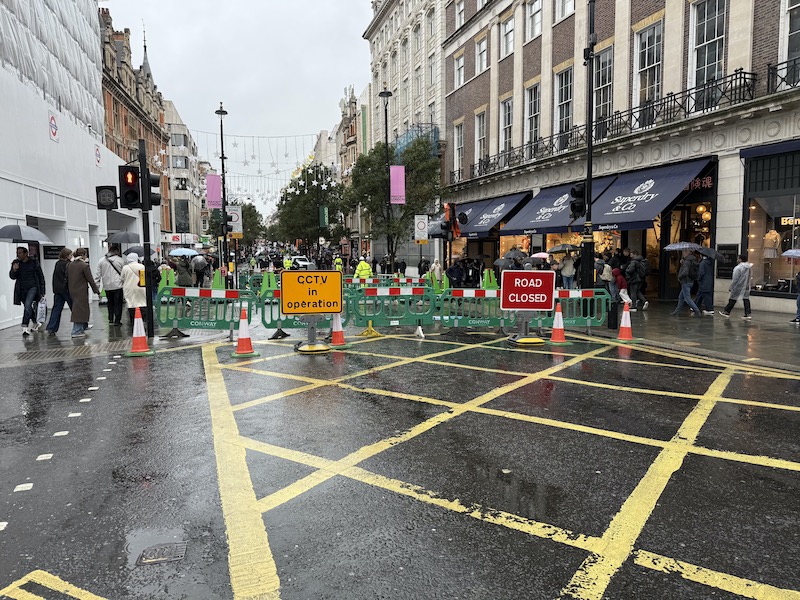
…both in the road and on the pavements – which has the effect of impeding pedestrian flow making it worse than previously.
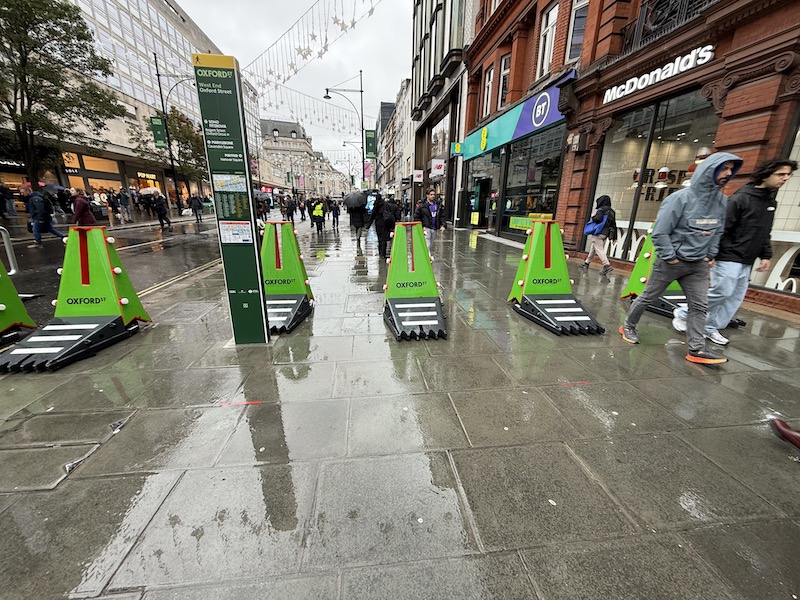
These bollards looked very much an interim arrangement and I wonder what the permanent solution will be bearing in mind the road is open during the night?
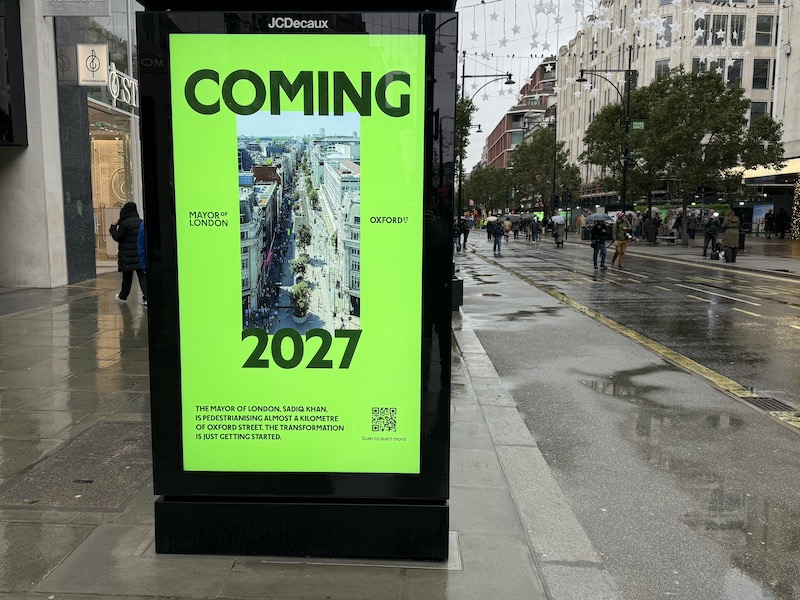
Having relayed all the above negativity about the impact on bus routes I should balance this by saying, notwithstanding that, I’m sure the pedestrianisation will be a success for retailers, shoppers and tourists wanting to enjoy a more peaceful ambiance in Oxford Street itself rather than overcrowded pavements struggling to cope.
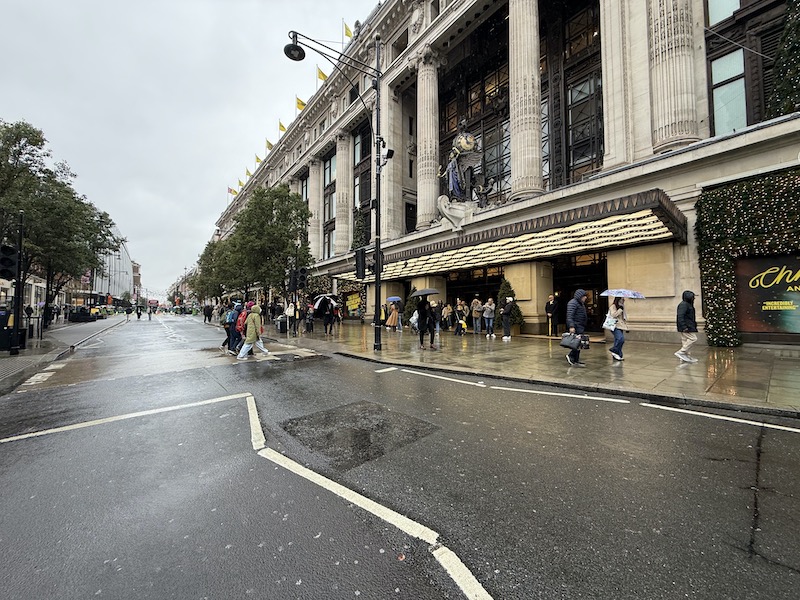
There’s no doubt retailers like Selfridges and John Lewis will be pleased, especially in the run up to Christmas.
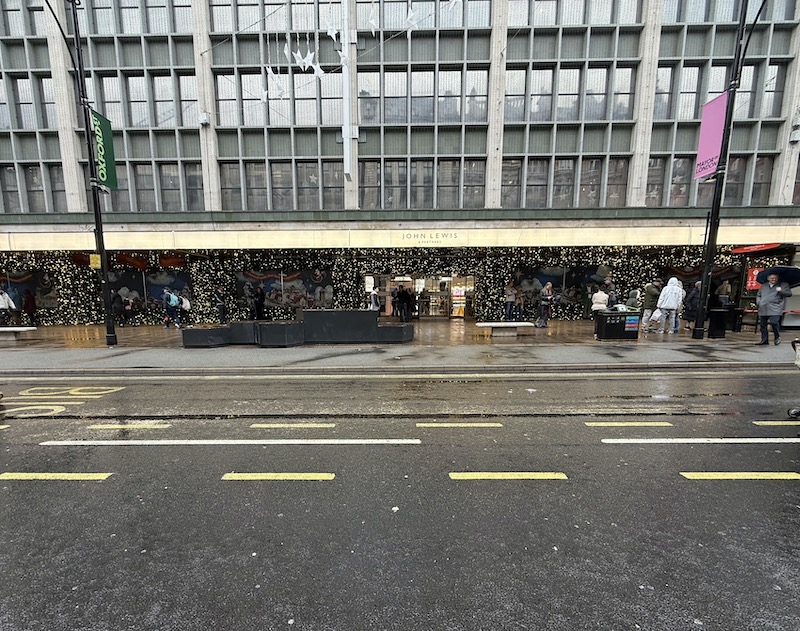
Once the ‘public realm’ is enhanced it will become a very pleasant and attractive area and it won’t be long before it would be unthinkable to return to having buses, taxis, cycles and the annoying ripoff rickshaws in Oxford Street. For example, no-one would dream of proposing Reading’s Broad Street or Bromley’s High Street return to having motor traffic.
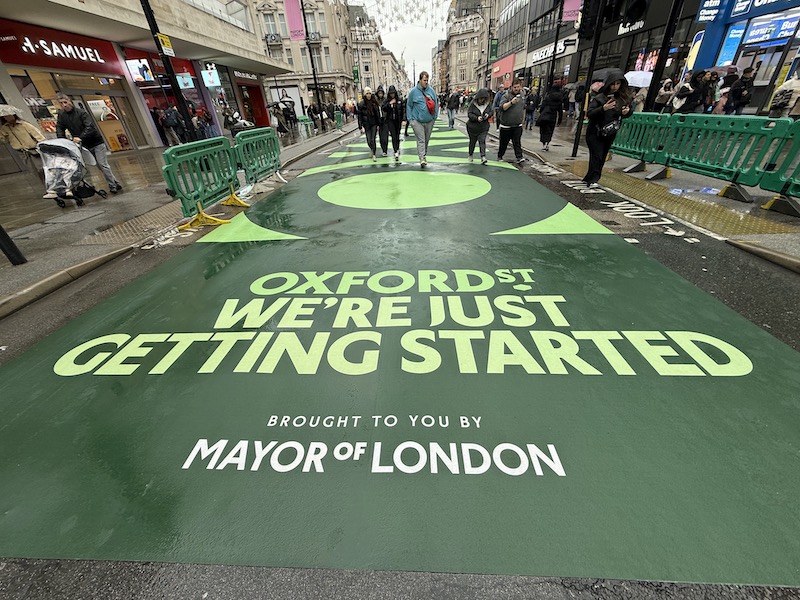
But, and it’s a big BUT, it does depend on having a viable alternative arrangement for displaced buses. And in this case it doesn’t, unless there’s a serious crackdown on parking, both legitimate and illegal, on the neighbouring streets now used by buses.
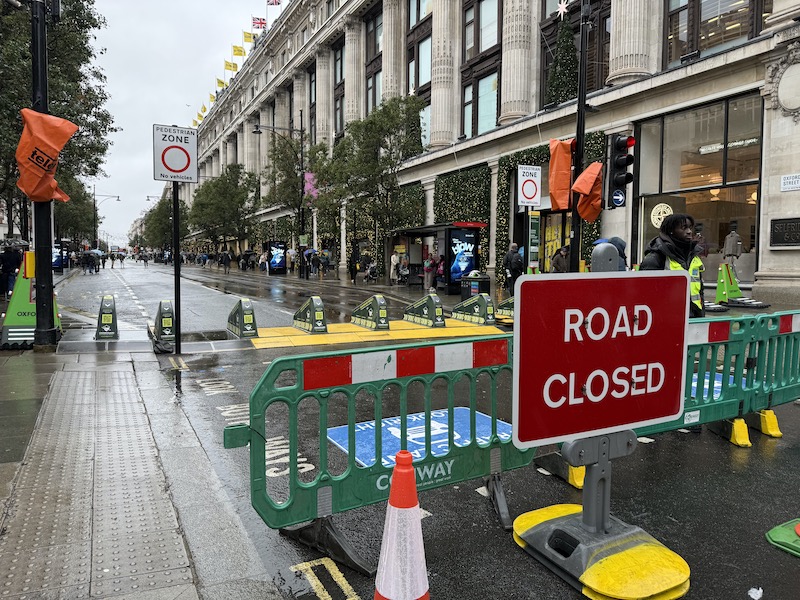
There again, the Mayor and TfL have long given up on its central London bus network so I guess they won’t be worried about ruining five more bus routes, as this scheme has done. Big time.
Roger French
Blogging timetable: 06:00 TThS


In 1966 there would have been Green Line coaches too: 714, 715, 715a & 718. Ah! Just think of the posh residents of Ripley in Surrey having door to door service on a RMC for shopping at Selfridges!
LikeLike
Wigmore St and its adjacent streets need to be red routes to put a lid on delivery vehicles and other illegal parking.
LikeLike
Using buses to get around oxford street one gave up on years ago , stops away from key interchange points and shelters that didnt match any of the stops in later days just didnt work anymore , and we have also lost the tourist routes that would sometimes use the street too. But maybe will we get the often future gazing idea of that 2nd storey skyway actually constructed along oxford street maybe complete with some very light rail trams shuttling along it ?
while checking the bus stop audio visual is fair game on a first day of a new road scheme I feel that the delays are not going to be representative once the substantive works are complete. However I do think TfL have their priorties wrong.
While Tottenham Court Road station is step free , it is a long distance to bus stops to get locally east or west from it, and it would be nice for Goodge Street to be step free (I know it is low usage but the walk or travel south round the back streets is more pleasant than going done the still traffic covered bit of Oxford Street , likewise Warren Street for a better cut in at ground level to Euston and the Hospitals. But the big one is Oxford Circus which really does need full step free interchange with high speed lifts , using the station is torture , however there is a tip if coming from the east into the area and you are not changing station , I hadnt noticed that there is an eastern exit of the Elizabeth Line closer to Oxford Circus at Bond Street , I might try that and see if it helps me get around.
JBC Prestatyn
LikeLike
Typo alerts:
too/toLikeLike
Thanks Richard; both now corrected.
LikeLike
The retail life of Oxford Street was sucked out of it well before Covid by the Westfield shopping centres that bookend it on the Central line at Stratford and White City. More recently online shopping has killed off much of what remained. Whilst I would like to believe that pedestrianisation will reinvigorate the area I am far from convinced. It could actually make matters worse as the banishment of buses and taxis to side streets will make it less accessible to those with mobility issues who may as well follow their more able bodied brethren to out of town retail centres. Unless the pedestrianised realm is properly policed – there is a report in today’s Times that says (spoiler alert) the ban on cyclists is being totally ignored – it risks becoming a haven for e-scooter riding mobile ‘phone snatchers and other anti-social behaviour which is unlikely to encourage visitors of the sort that the mayor of London seeks.
LikeLike
It is really bad that there is obviously no good plan for ‘where will the buses go’. But that is compounded by the reduced frequencies (every 8-9 minutes is the best of the 98, 139 and 390).
Perhaps it begs the question – is Oxford Street so wonderful? Would it not be better to encourage shoppers to visit centres in the suburbs; I have a feeling that many people would if the public transport was better! E.g double Superloop frequencies, and install a lot more bus lanes.
Rick Townend
LikeLike
We stayed in Wandsworth and were shocked about the lack of routes into central London on any direct buses.
LikeLike
Just another step in the quest to turn Central London into some sort of tourist theme park. Had this scheme come into play ten year ago, there would have been a massive outcry from Retailers once they saw their £takings plunge, but with bus services now so diminished, there will be little effect. The few people who will suffer, will be those with mobility problems who just cannot face miles of negotiating Central and Elizabeth line platforms and tunnels, nor being crushed in the process. I expect the “Mayor” has already written the “success” jargon that will inevitably be published somewhere down the line. What next? Regent Street?
Perhaps they can confine all future, almost daily, “protest” marches to Oxford Street and thus confine the chaos to one place.
Terence Uden
LikeLike
It seems that the battle bus operators have fought to keep buses in shopping streets is now being lost. Buses have not only been removed from Oxford Street, this summer in Bristol buses were taken out of Broadmead’s main shopping streets: Union Street, The Horsefair and Penn Street and moved to alternative routes on the edge of the shopping centre. This was done in advance of a pedestrianisation scheme, but currently other vehicles are still able to use these roads! Not only do bus users now have to walk further to catch a bus, but the number of stops have been significantly reduced, resulting in more passengers and more buses using each stop, making it difficult for people to identify and board their bus. This is a significant problem for Bristol as many bus routes have been diverted as a result of this scheme.
LikeLike
When having a look on the Sunday before the change there were plenty of people coming out of the shops eg Selfridges and going straight to a bus stop. Now they cannot. Of course all these people have chosen to use the bus and not the Underground – some people say there are adequate Underground stations. Also by going past the shops passengers can see what shops are available – they cannot from Wigmore Street.
LikeLike
TfL will no doubt prefer customers to use the tube when within Central London/Zone 1 rather than using the bus to get around as they can make more money.
LikeLike
I totally agree with your comments on this situation. It seems that in many places buses are being banished from where they need to be for the people, especially elderly or disabled, who require to alight at convenient locations. In Stevenage there is a new bus station – moved from the most convenient location right by the shops to some distance away, same in Accrington, where buses terminated right next to the market, or Blackburn, where it was a perfect interchange with the railway station. It’s not good enough for this to keep happening. Buses are vital to so many people.
LikeLike
It is just more anti-bus action, they won’t be happy until the buses are in one long queue going nowhere and tfl can save money by scrapping them completely. Shorter routes not taking people where they want to go, running less frequently, taking longer due to congestion and so much road space given up to cycle lanes, more dangerus to get on at ‘floating’ bus stops, no enforcement of parking and loading restrictions all combine to make bus use less attractive. It is a complete lack of understanding from those responsible
LikeLike
I can remember when the 7 ran all the way to British Museum. I used to catch it from Eastbourne Terrace, (having arrived at Paddington Station by GWR), on my way to work in New Oxford Street, as an alternative to the Tube on hot summer days. Surprisingly it was just as quick as taking the Bakerloo Line to Oxford Circus, and Central Line to Holborn.
Pete
LikeLike
Now many buses are quiet and pollution free, why not restrict the whole of Oxford Street to EV buses? The road could be narrowed without the bus lay-bys, so the pavements could be extended and a ‘cafe culture’ promoted. Also, if all other traffic is stuck in traffic jams in the neighbouring roads, it would make the buses quicker and more attractive.
MotCO
LikeLike
Dear Roger,
Fair enough…if cars are going to be blocked from coming into a pedestrianised zone, like Oxford Street, but I don’t see the need for Public Transport to be blocked.
Public Transport is, and should be, seen as the way to get around, when you ca’t use the car.
This is a fairly similar decision, as to what Cambridge did, when the ‘bannished’ all Public Transport out of the City Centre…really I don’t know what its achieved – yes, I have made my way, comfortably, around the ‘circuit’ – i.e. getting off the bus, at the same stop I would board it again, as I can go around in a circle, but for those with less mobility, it might proove a problem, and it does not give an incentive for using the Bus, by bannishing them, as just another form of ‘traffic’ – they are not.
In a place such as Cambridge, where you don’t have Light Rail to take you from places of population, to the hospital, rail station, etc., you need the Bus!
Buses and Trains are important….they are forgotten about sometimes!!
Kind regards,
Ben Walsh,
Cambridge.
LikeLike
All very well-said, Roger – how much better Oxford Street (and many others) would be if the city’s busiest bus routes had been upgraded to tram – a progression started with the introduction of articulated buses. Mayor Khan needs to get out more and visit any of fifty or more European cities where “the nation’s High Street” is served by 100% accessible, environment- and pedestrian-friendly modern trams.
LikeLike