Saturday 25th April 2026
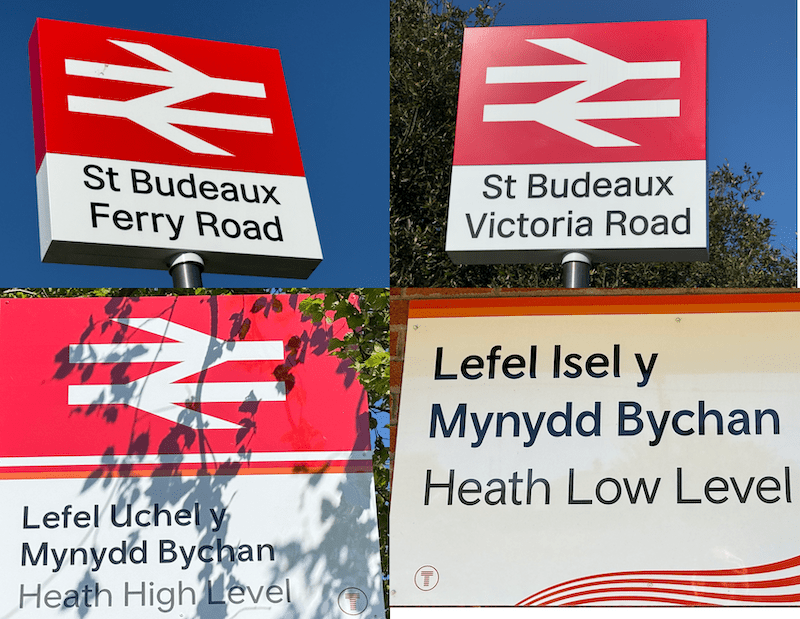
And so to the penultimate blog in this over running series which began as a fortnightly feature for 2025 exploring places around Britain which have the benefit of two railway stations on different lines offering different destinations.
Both this time’s pairs are located in defined suburbs in larger cities, namely Plymouth and Cardiff.
I’ve visited both this past week to take a look at what are four very basic stations but both having a claim to fame that they are (absolutely and literally) within a stone’s throw of each other. One definitely beats Wigan North Western and Wigan Wallgate for closeness and the other is a strong rival.
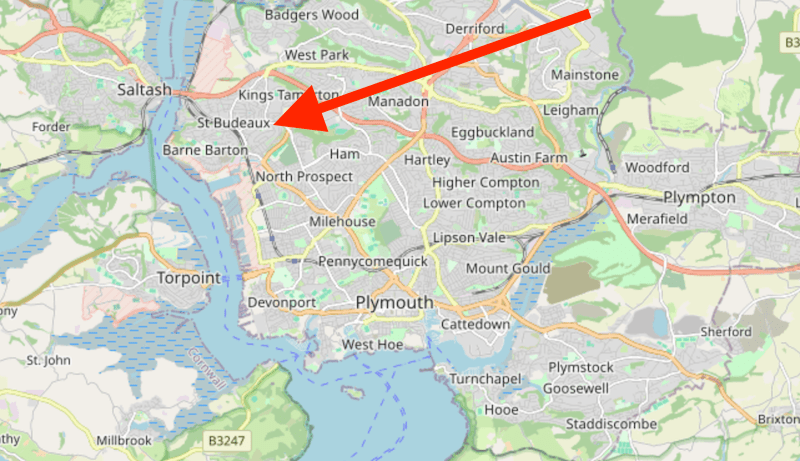
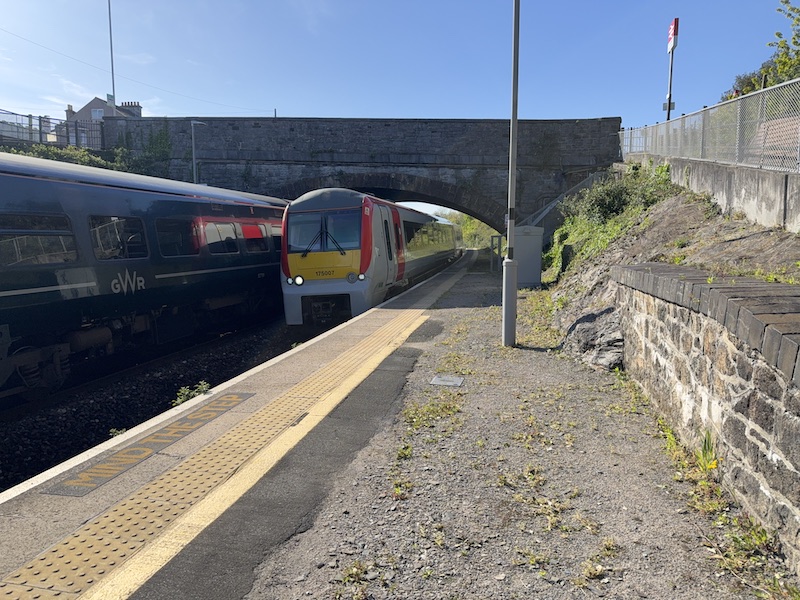
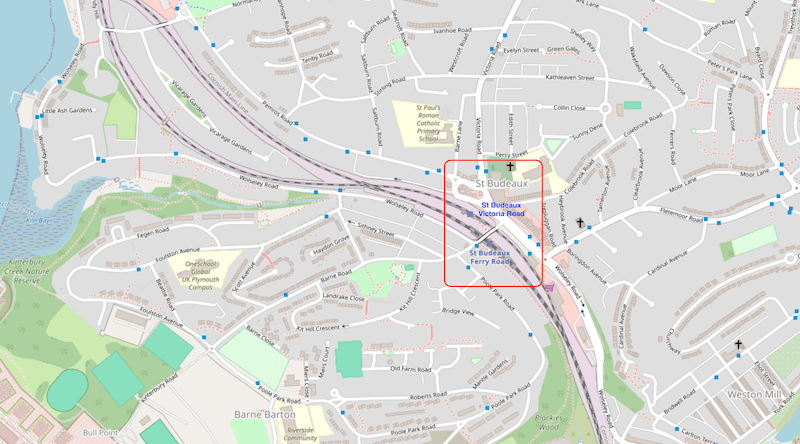
First up is St Budeaux situated on the western side of Plymouth just beyond Devonport and Keyham.
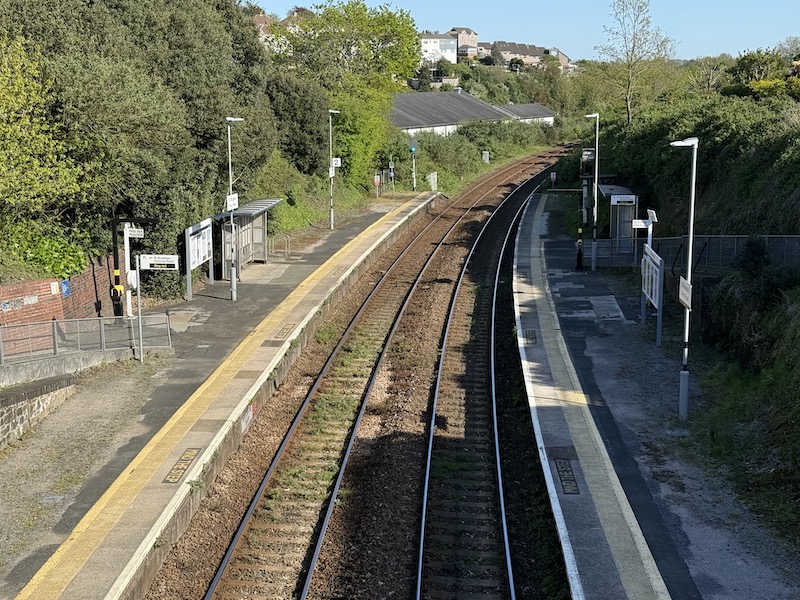
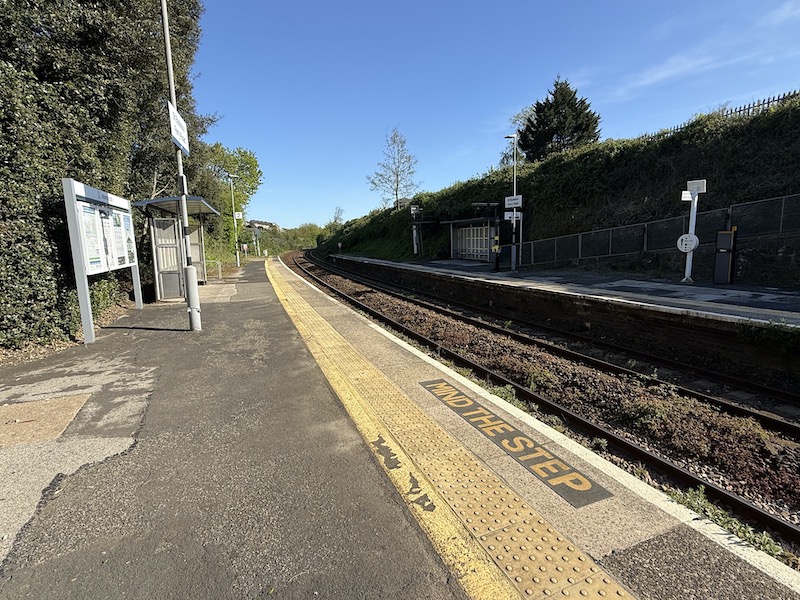
St Budeaux Ferry Road is on the Great Western main line which continues westwards over the Royal Albert Bridge into Cornwall and enjoys two platforms on the double track…
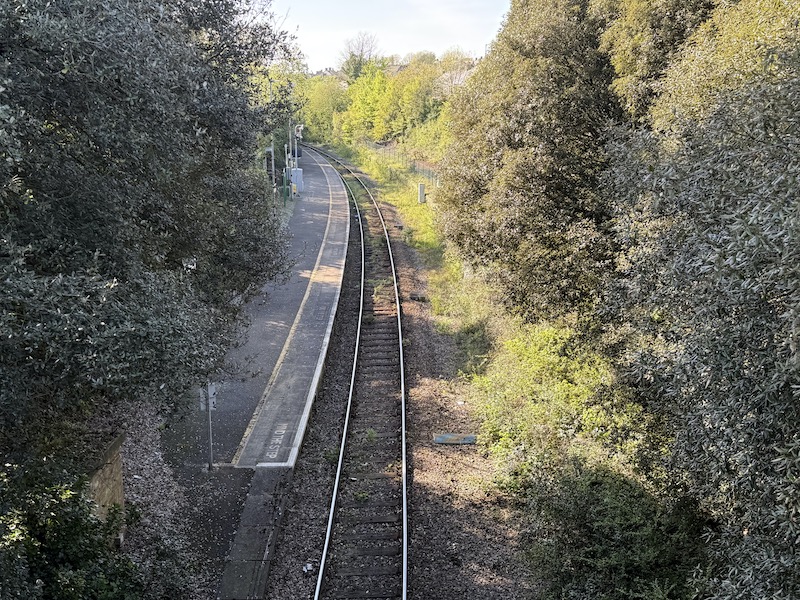
… whereas neighbouring St Budeaux Victoria Road is a single platform on the single track Tamar Valley Line to Gunnislake which leaves the main line just before both stations.
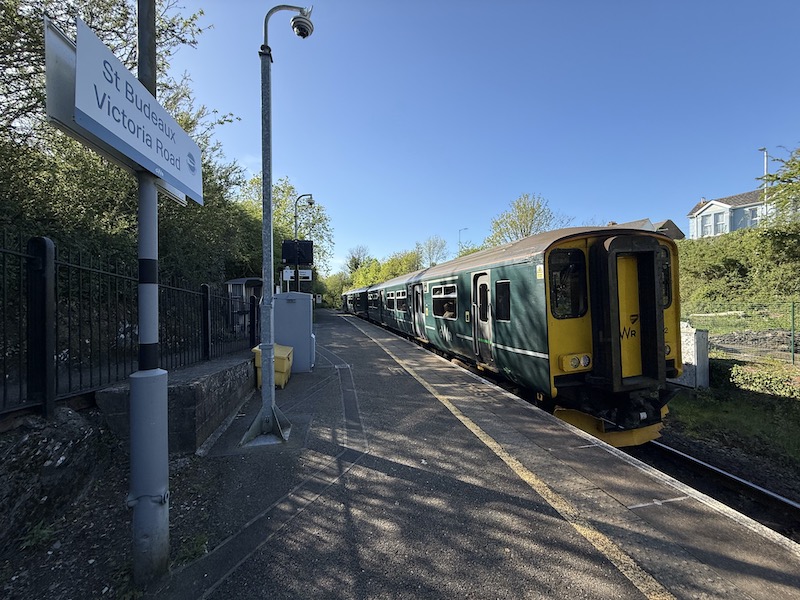
So whereas eastbound trains from both stations take you to Plymouth for connections to Exeter, London, Bristol, Birmingham and beyond, heading west (from Ferry Road) destinations are available towards Penzance and north (from Victoria Road) to stations to Gunnislake.
Victoria Road arrived on the scene first, opened in 1890 by the Plymouth, Devonport and South Western Railway giving the London and South Western company an alternative route into Plymouth from Great Western’s main line. Great Western opened Ferry Road in 1904 and it was in 1941 (as a war time contingency) a connection was made between the two lines east of the stations with the original line into Plymouth via Devonport closing in 1964.
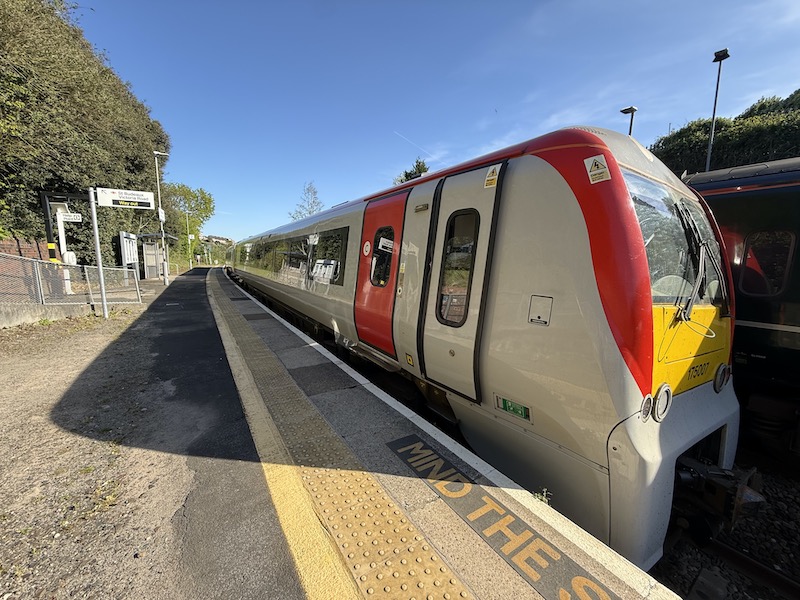
It’s ironic it’s the single platform Victoria Road which hosts most trains and most passengers.
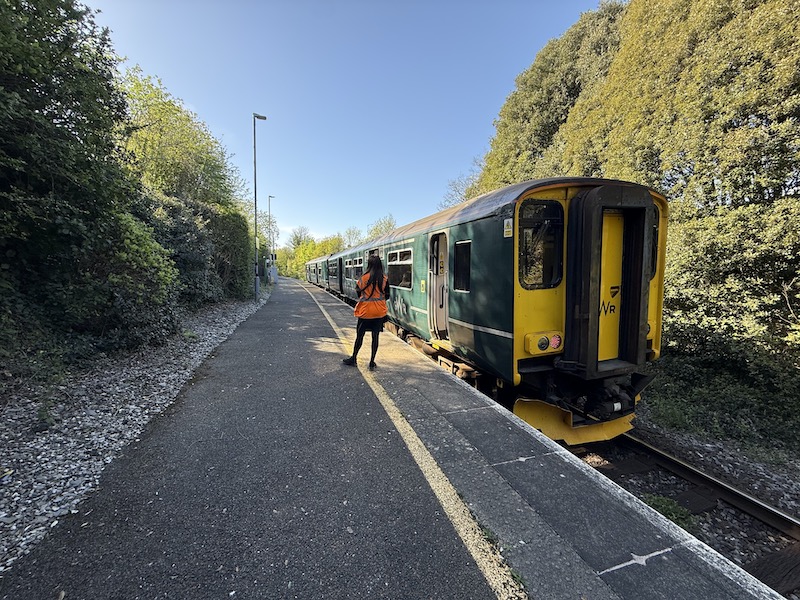
It sees the approximate two-hourly frequency Plymouth to Gunnislake service comprising nine northbound departures and eight eastbound with just five departures each way on Sundays whereas its Ferry Road neighbour sees seven departures into Plymouth (three in the morning peak, one at lunch time, two in the afternoon peak and one in the evening) and six westbound with a similar spread throughout the day. On Sundays just two trains call in both directions.
There’s a composite timetable…
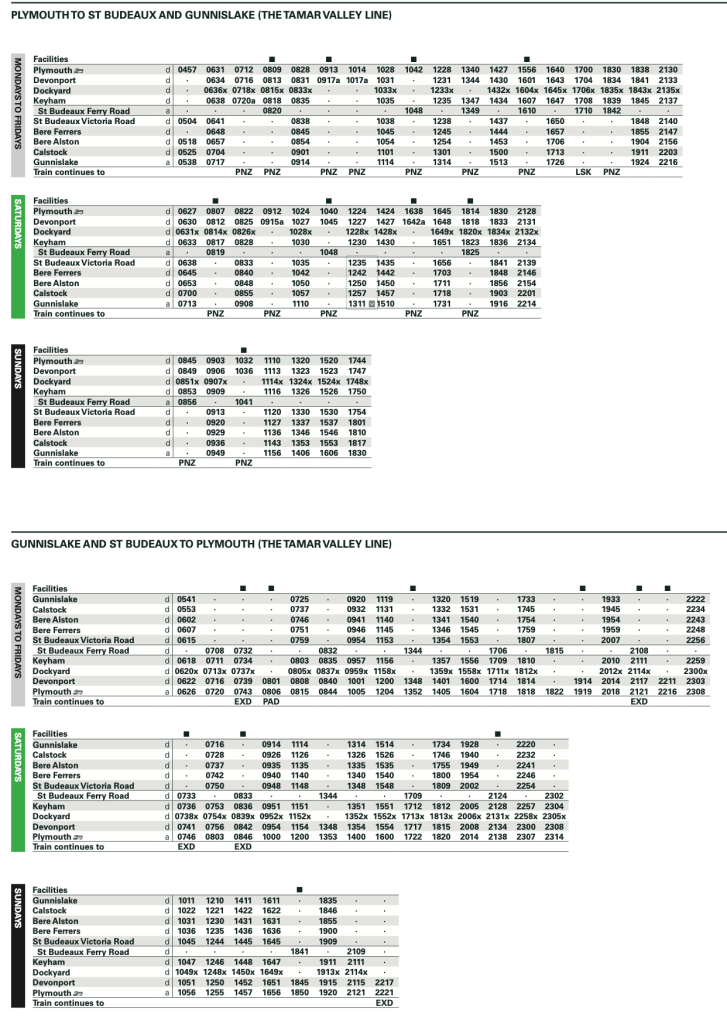
…on display at Ferry Road showing departures from both stations…
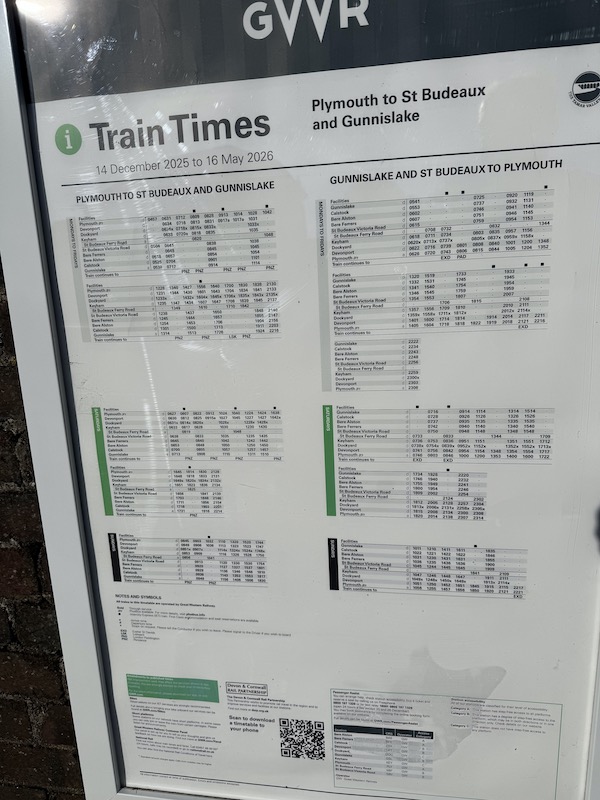
… but it seemed to be missing from the display at Victoria Road.
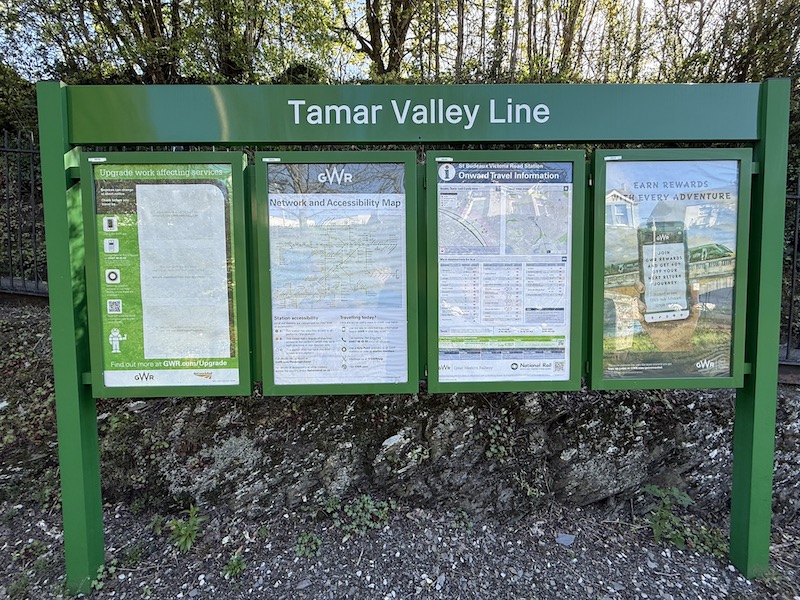
Passenger numbers reflect the different servcie provision with the Office of Rail and Road recording 11,864 entries and exits in 2024/25 at Victoria Road and only 4,484 at Ferry Road.
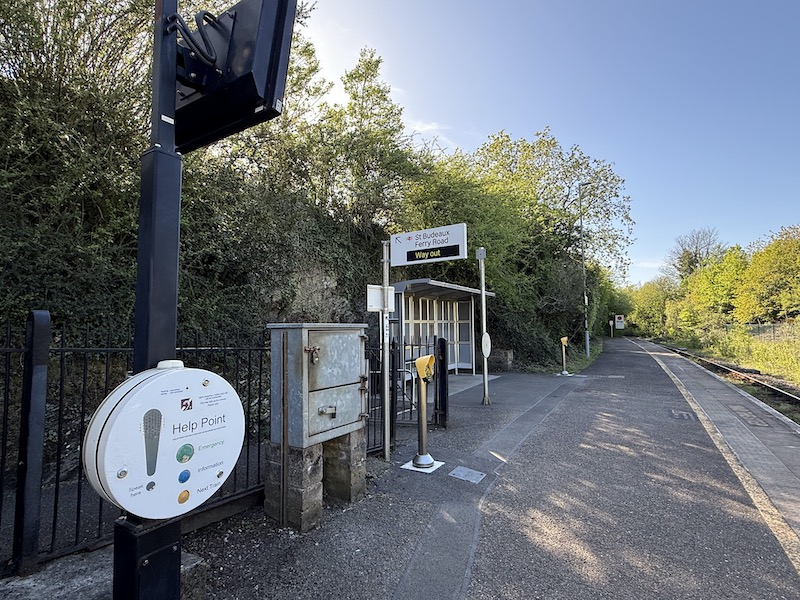
Passenger facilities are very limited at both stations with just one shelter on each platform. Victoria Road does have an electronic departure sign and a help point (as shown above)… and a two stand cycle rack.
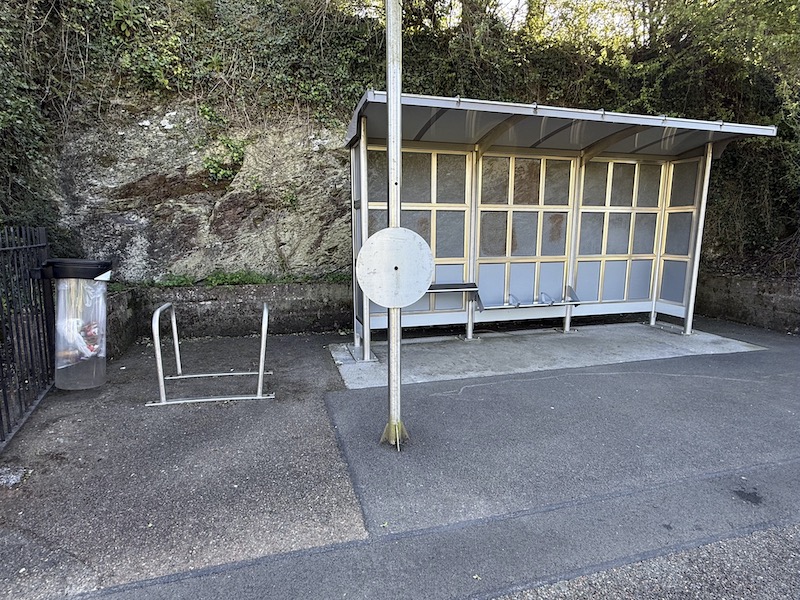
But that’s about it.
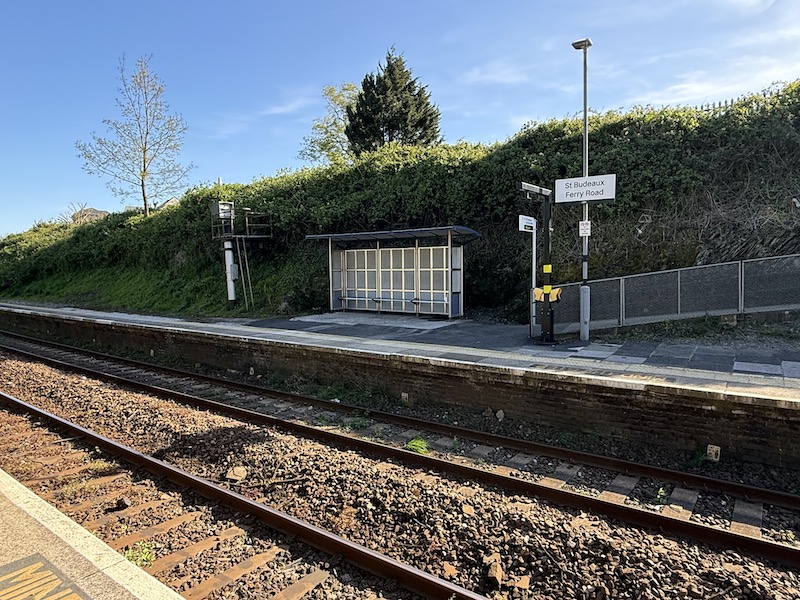
Neither station has a ticket machine.
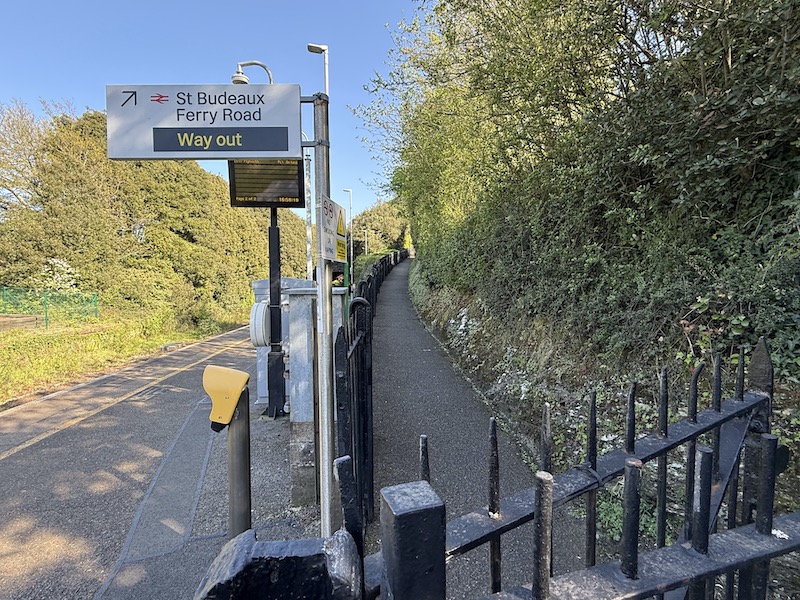
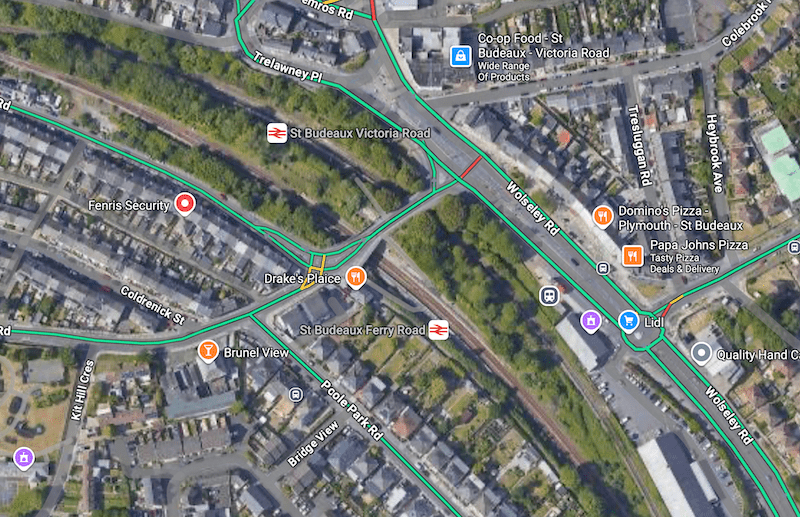
Both are accessible by virtue of a long ramp down from Wolseley Road which crosses over all three tracks with access to Victoria Road (above) from the north side and Ferry Road on the south side…
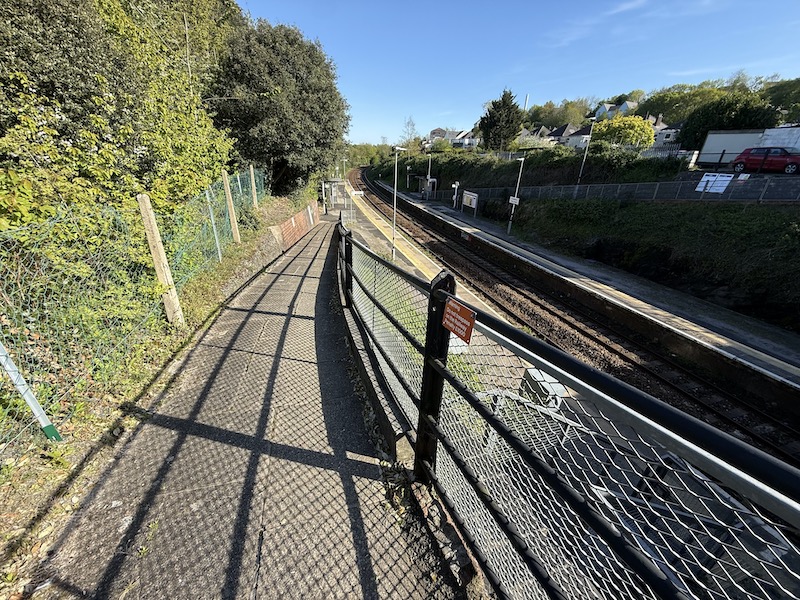
… virtually opposite each other…
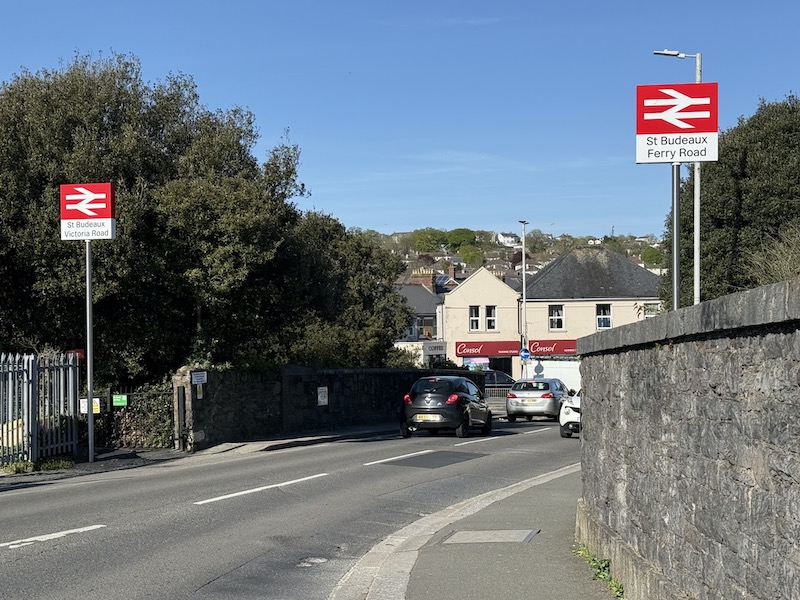
… they’re that close.
In reality it’s one station with three platforms.
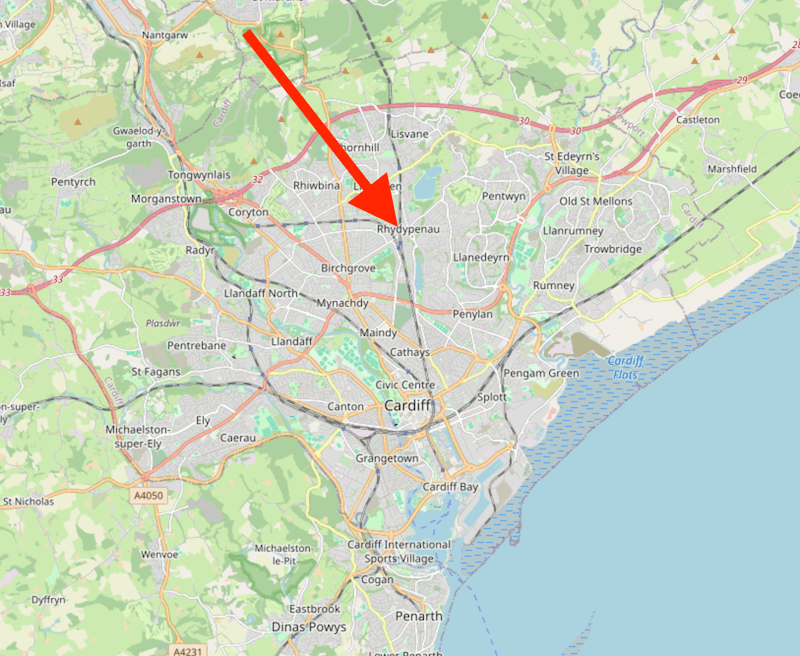
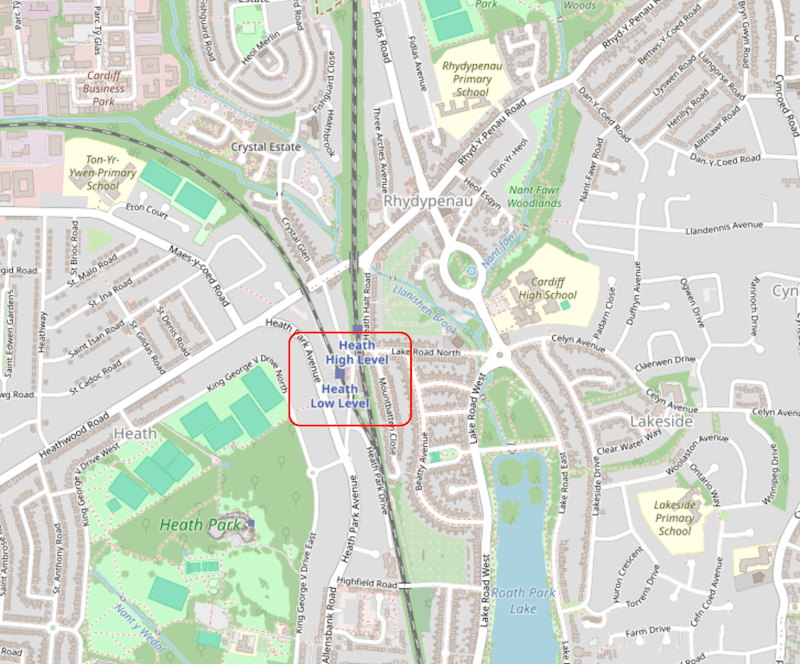
Which is a very similar situation over in Heath, a suburb in north Cardiff where Heath High Level has two platforms on the double track north to Rhymney (and south to Cardiff Queen Street and Central) and neighbouring Heath Low Level has one platform on the single track line to Coryton, which joins the main line to Cardiff Queen Street and Central just south of the station.
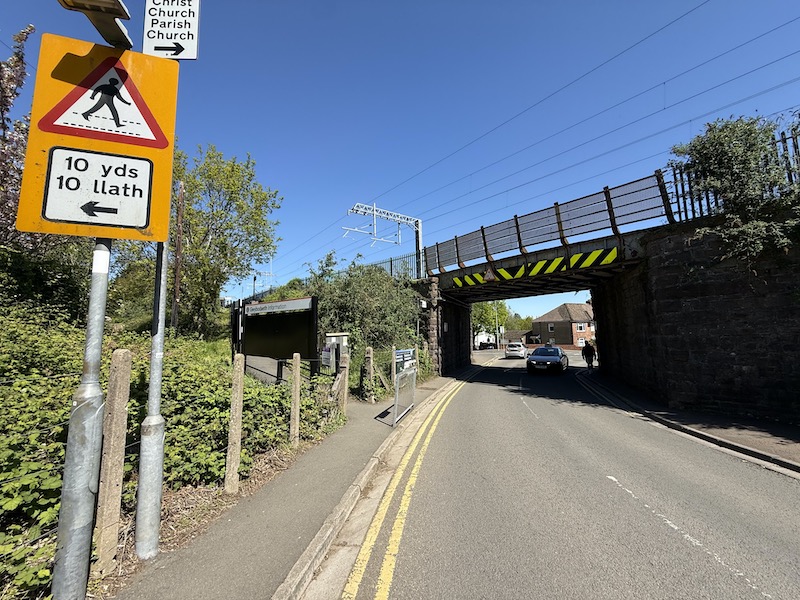
As its name implies High Level passes over Heath Halt Road…
… with a ramp up to and down from the northbound platform…
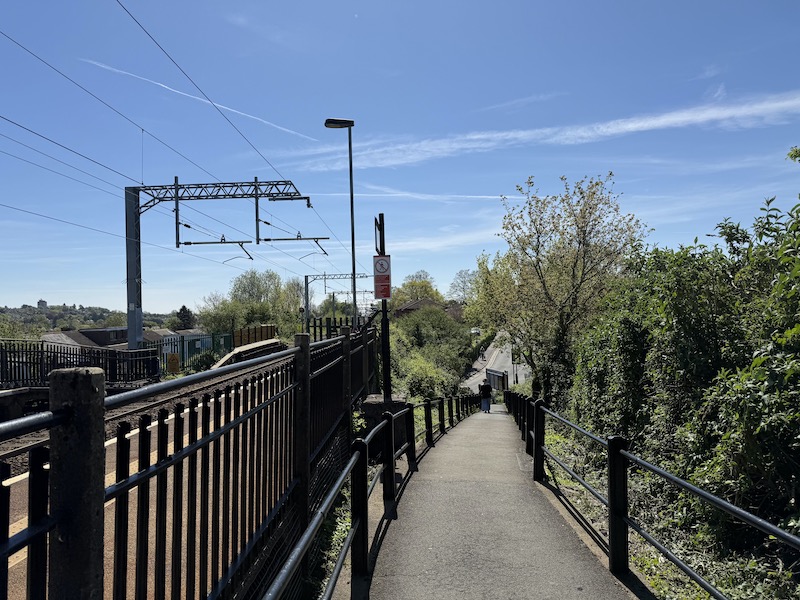
… and (non accessible) steps to and from the southbound platform…
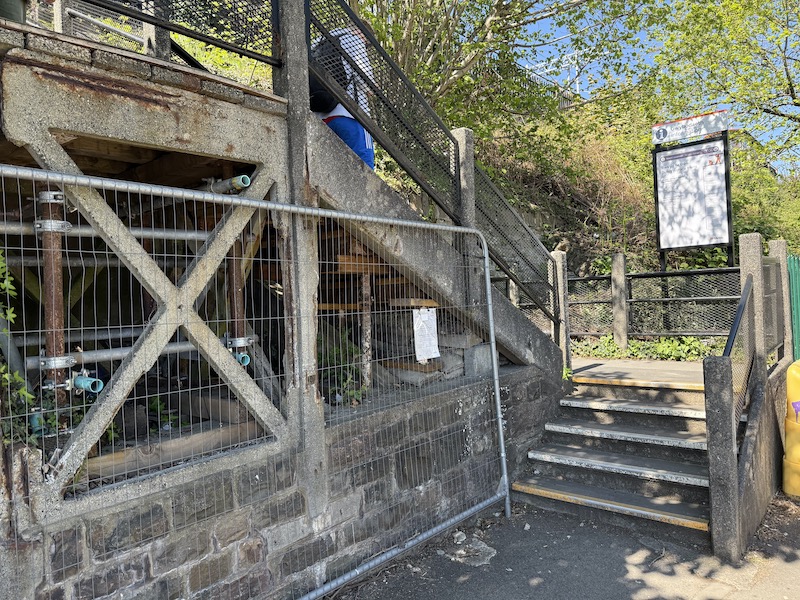
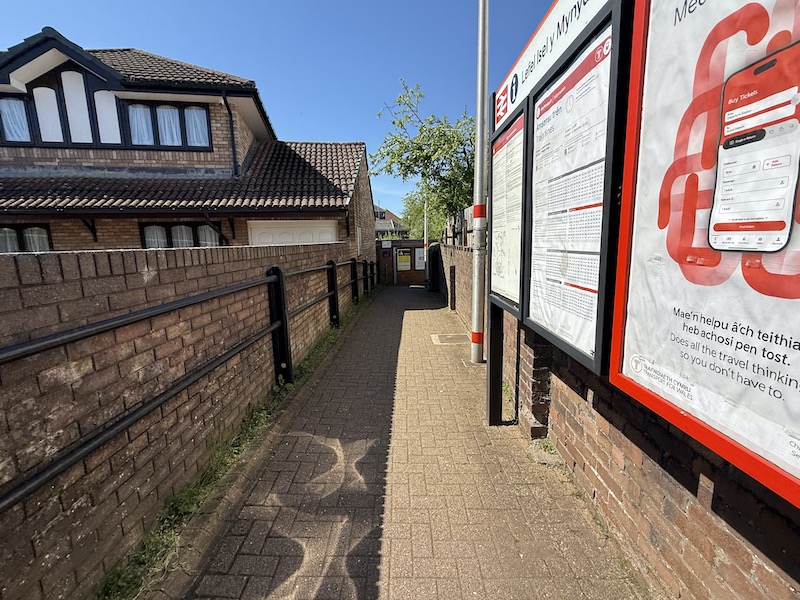
… whereas Heath Low Level, just a few yards south along Heath Halt Road, is accessed by a short alleyway at ground level before the tracks pass under Heath Halt Road.
Facilities again comprise just a shelter on each platform…
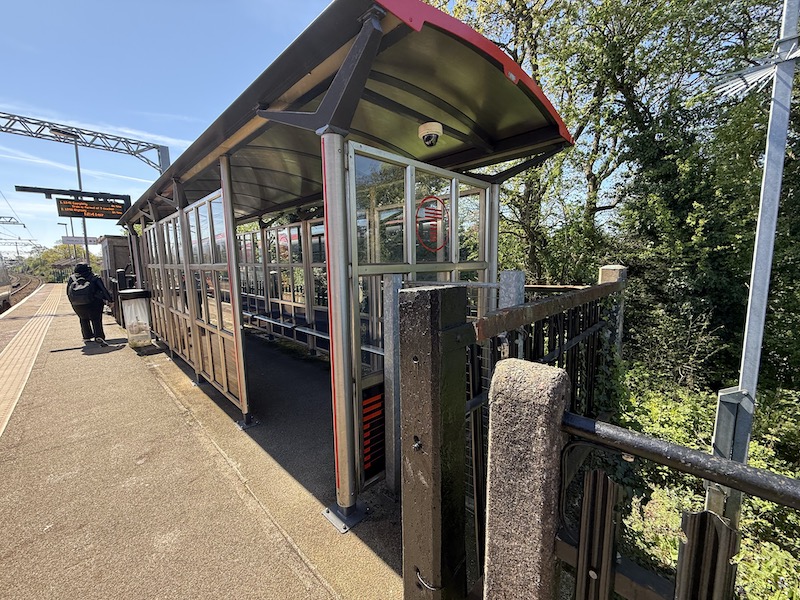
… with no other seating.
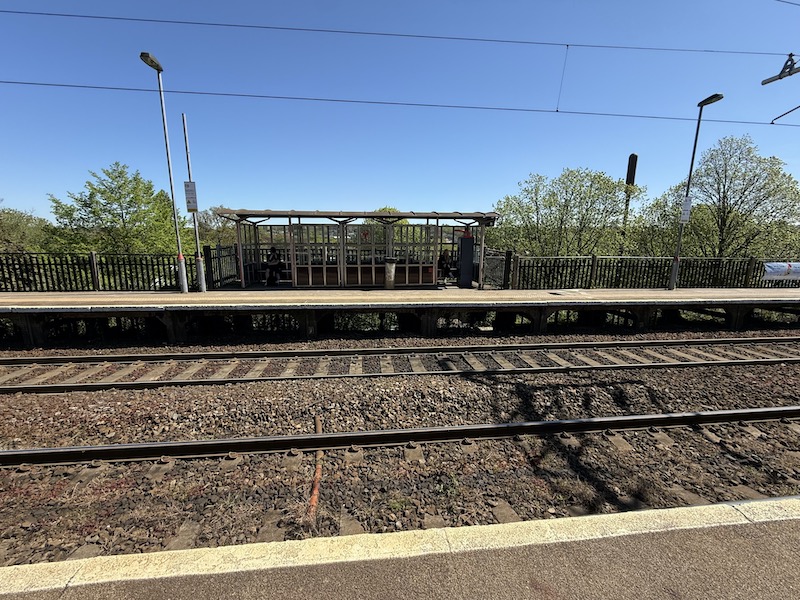
The shelter at Low Level is a more substantial brick structure…
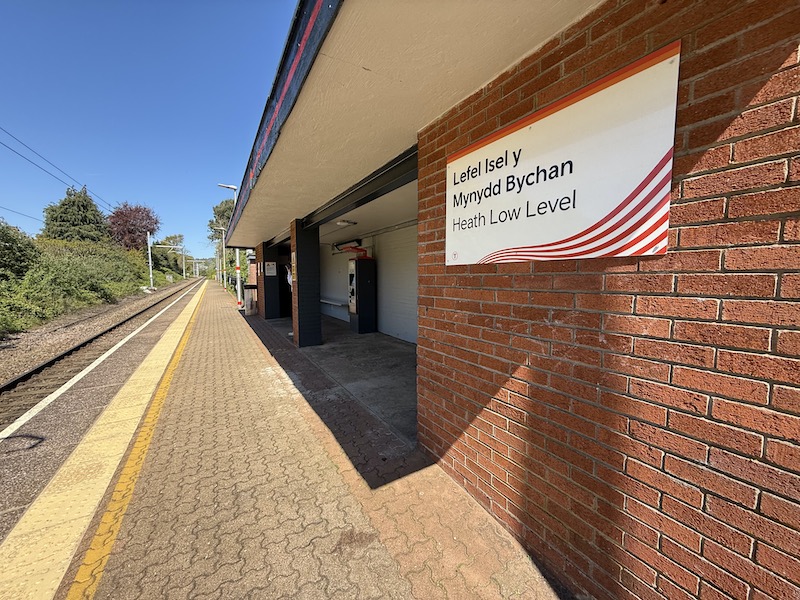
… and also has a ticket machine.
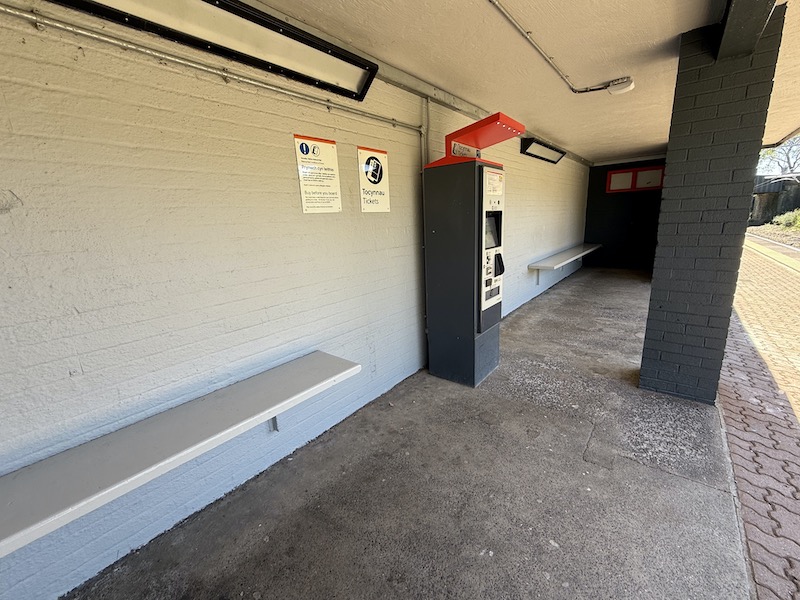
There are electronic departure signs at both stations…
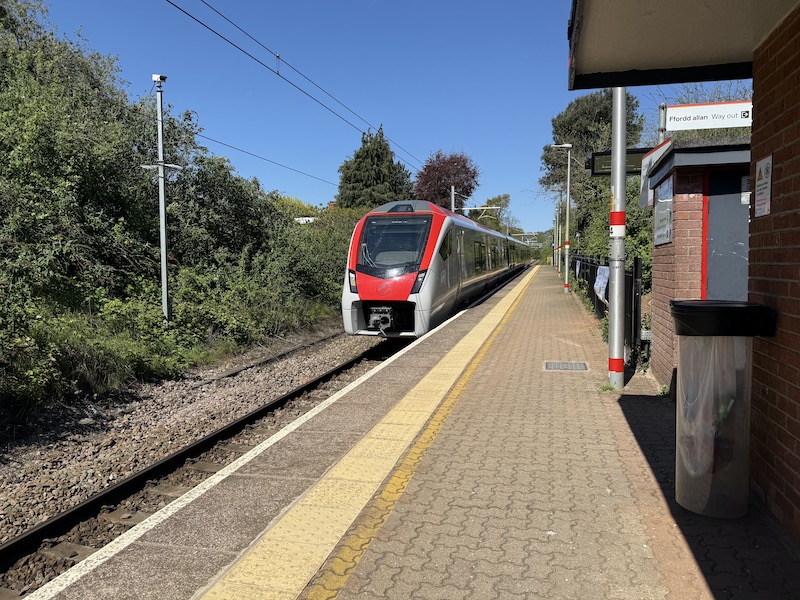
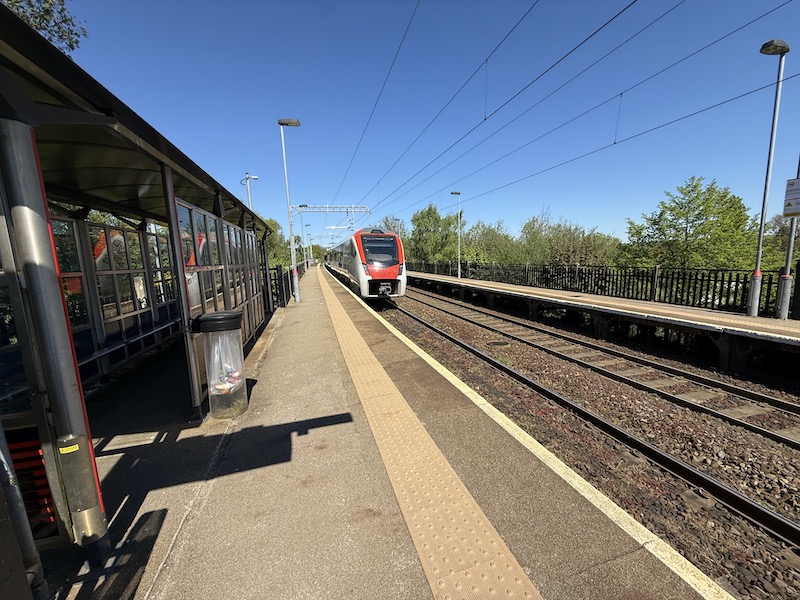
… and printed timetables are on display.
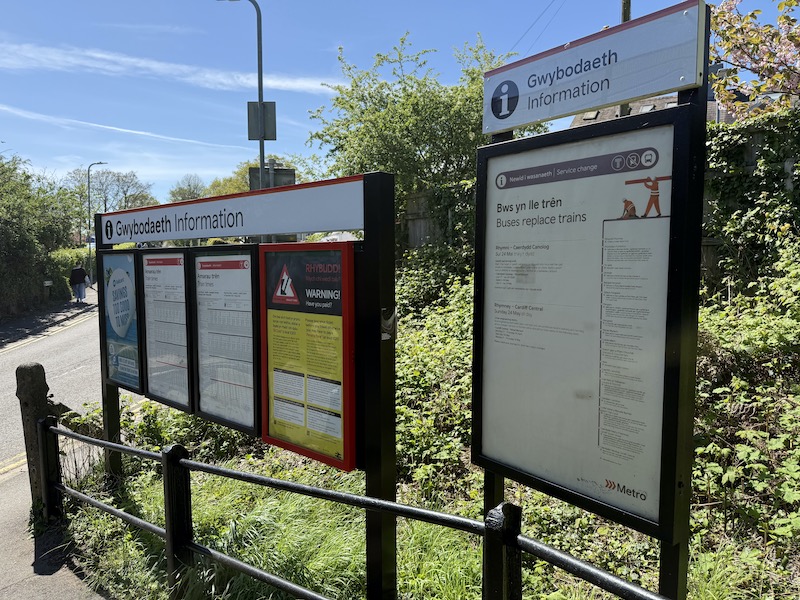
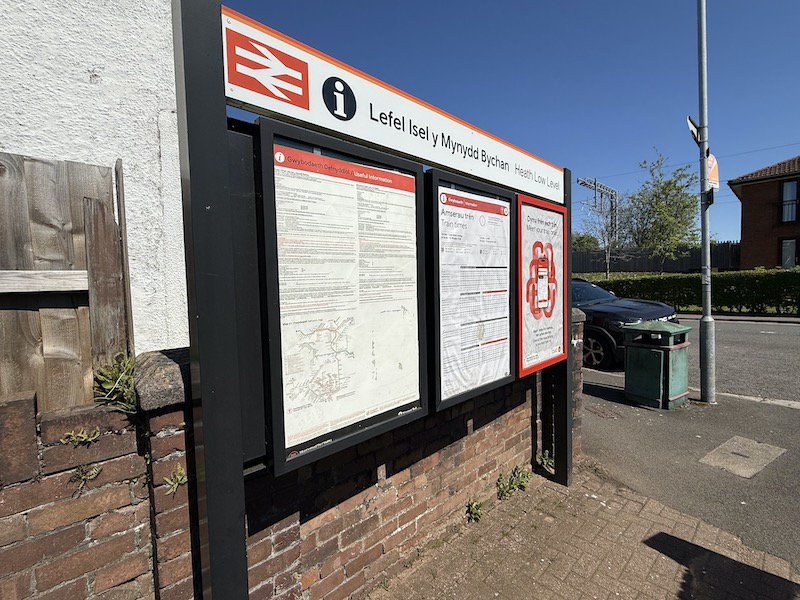
But that’s about it.
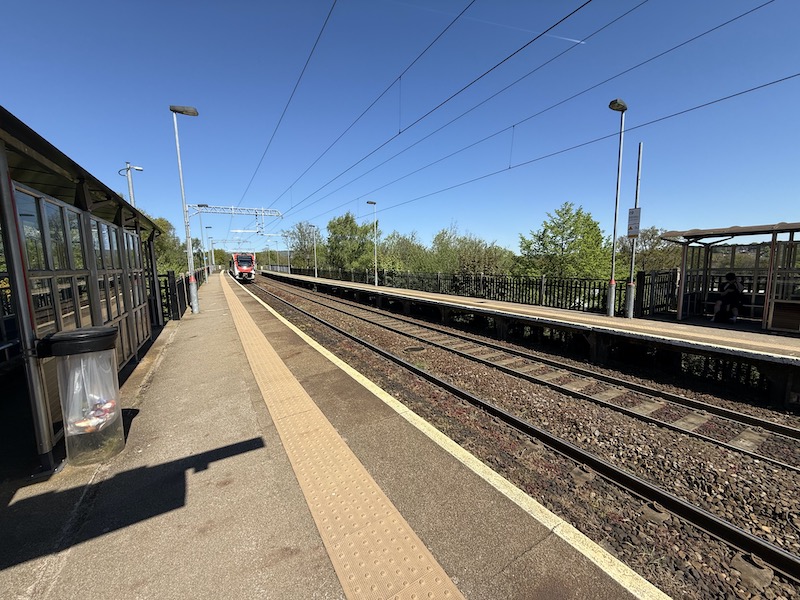
High Level has by far the more frequent service with six trains an hour to various destinations – southbound, two per hour to each of Barry Island, Bridgend and Penarth (all via Cardiff) and northbound, two per hour to each of Bargoed, Caerphilly and Rhymney.
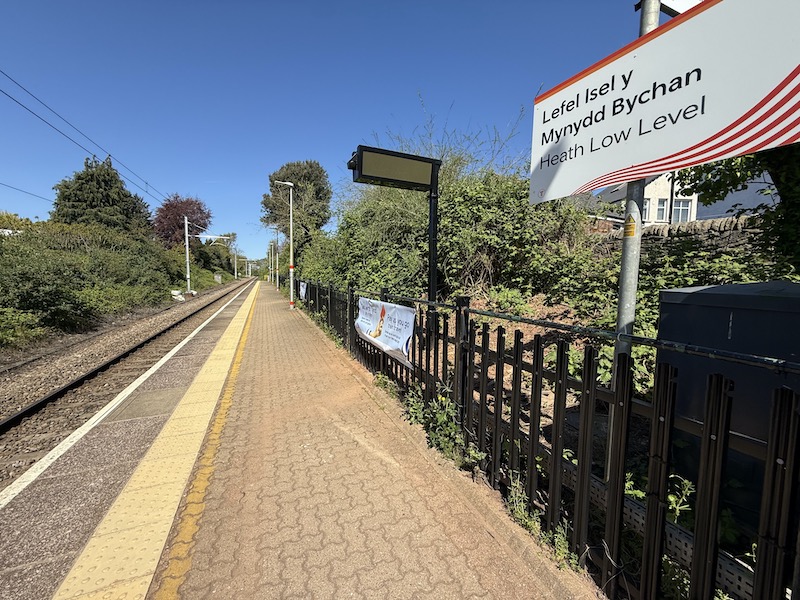
Meanwhile Low Level sees a half hourly service northbound to Coryton and southbound to Penarth via Cardiff. On Sundays High Level has a half hourly frequency and, since last December, Low Level has an hourly service.
Again it’s not surprising the Office of Rail and Road record 425,000 passengers used High Level in 2024/25 compared to just 47,556 using Low Level.
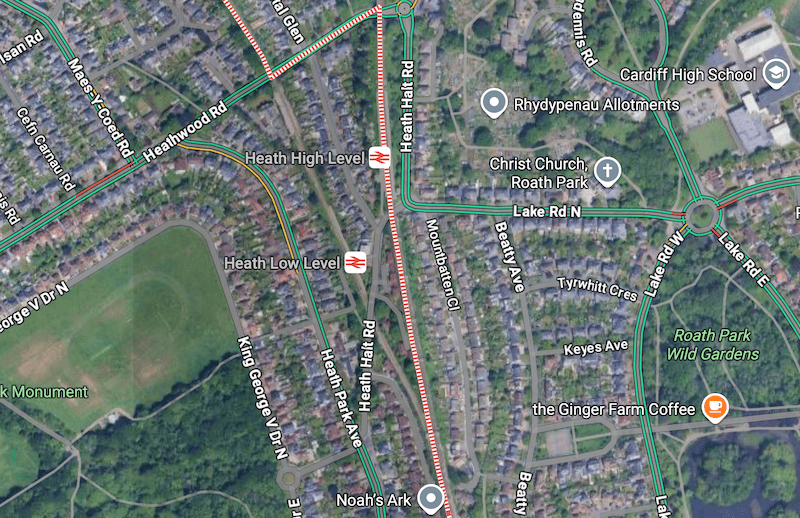
Low Level opened in 1911 beating High Level by four years as that arrived on the scene in 1915. Both are under the auspices of Transport for Wales and its imminent plans to introduce higher frequencies with TramTrains which are set to revolutionise the Valley Lines.
And to close one more look at Britain’s Closest Railway Station Pair at St Budeaux.
Finally a shout out to blog reader James who introduced himself to me on the train as I was returning home from Cardiff courtesy of GWR yesterday afternoon. It was lovely to meet you James and good luck with your search for a Transport Management degree at university.
Also thanks to all the readers who’ve sent me suggestions for places to visit with more than two stations. I haven’t lost sight of the possibilities but for now I will be bringing this series to a close next month with the final pair of pairs.
And if you missed any of the previous 39 pairs, check out the back blogs here.
1: Hertford; 2: Canterbury. 3: Wigan, 4 Dorchester, 5 Windsor, 6 Wakefield, 7 Reddish, 8 Yeovil, 9 Newark-on-Trent, 10 New Mills, 11 Tyndrum, 12 St Albans, 13 Falkirk, 14 Catford, 15 Helensburgh, 16 Gainsborough, 17 Edenbridge, 18 Bicester, 19 Worcester, 20 and 21 Epsom and Ewell, 22 Wrexham, 23 Runcorn, 24 Farnborough, 25 Bradford, 26 Enfield, 27 Dalston, 28 Kentish Town, 29 West Hampstead, 30 Battersea, 31 Penge, 32 Bromley, 33 Coulsdon, 34 Carshalton, 35 Harringay, 36 Oulton Broad, 37 Thorne, 38 Burscough, 39 Marple.
Roger French
Blogging timetable: 06:00 TThS
 BusAndTrainUser
Were there any Smartcard readers at any of those stations?
LikeLike
Yes, both Bedeaux stations had them.
LikeLike
Thanks, that explains why when travelling through Plymouth on my way to Penzance at Christmas, I could see what looked like a load of trains in TfW colours parked up at the GWR depot!
LikeLike
The 175’s are being brought in to replace the HST’s which GWR are bo longer allowed to operate, although it hasn’t been a very smooth introduction so far.
https://www.railforums.co.uk/threads/class-175s-to-gwr.272524/
LikeLike
St Budeaux Victoria Road also has a cabinet containing the token for the Gunnislake branch, which is operated without signalling apart from one signal which controls access onto the main line for Plymouth-bound trains. The train crew operates the points manually at Bere Alston, where the train reverses when entering or leaving the Gunnislake section. Even the road level crossings between Calstock and Gunnislake are unsignalled, with the train driver required to stop and sound the horn before proceeding.
The Bere Alston – Gunnislake line was opened by the London & South Western Railway in 1908 and replaced a former mineral railway on the Cornwall side. This included the magnificent viaduct over the Tamar Valley at Calstock. The line ran originally to Callington although the station was actually in Kelly Bray (Kellivre), a village a mile to the north. Gunnislake-Callington closed in 1966 but Gunnislake-Plymouth was retained due to the geography of the Tamar and Tavy Estuaries and the resulting poor road connections to Plymouth – the railway has substantial viaducts at Ernesettle and Calstock, advantages the road network does not have.
The Tamar Valley Line is well worth a ride if you are in the Devon and Cornwall area.
Julian Walker
LikeLiked by 1 person
nicely sets you up to do a series on high level / low level stations
LikeLike