Saturday 28th March 2026
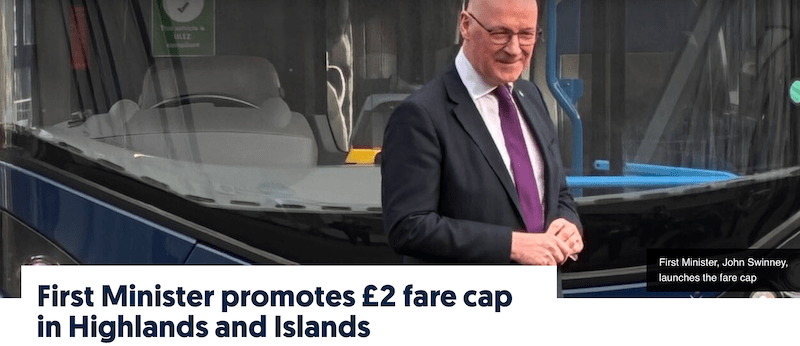
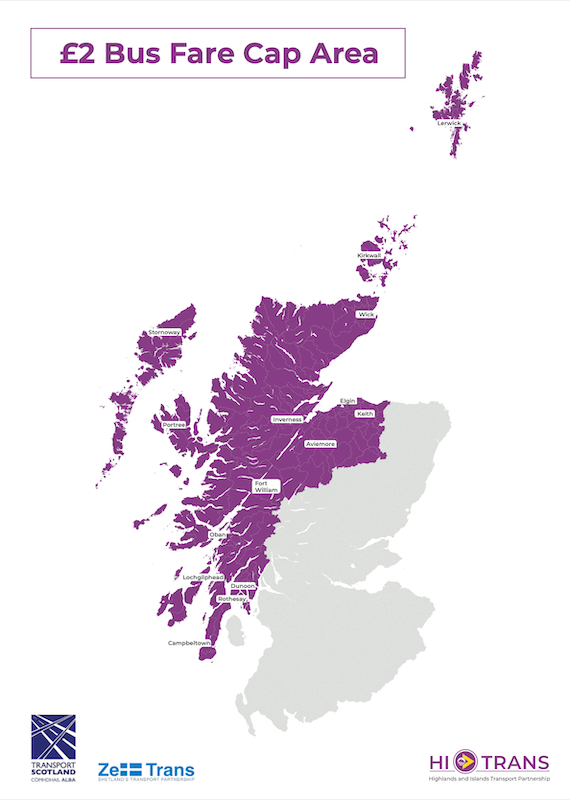
This week saw Transport Scotland begin its twelve month £2 fare cap ‘pilot’ for all bus journeys across the Highlands (as well as Moray, Argyll and Bute). It follows the launch of the same £2 cap in the Shetland Isles on 30th January, in the Western Isles from 23rd February and Orkney from 9th March.
And in a handy bargain basement bus fare coincidence I’d already planned a journey from Hassocks to the Far North of Scotland a few weeks ago, so it coinciding with this week’s new fare initiative made for an even more interesting modal comparison than I originally envisaged.
The initial idea was to compare public transport options for a long journey from one end of the country to the other using aeroplane, coach and train.
I booked all the tickets on Tuesday 3rd March for travel three weeks later between Tuesday 24th and Thursday 26th.
Here’s how it turned out.
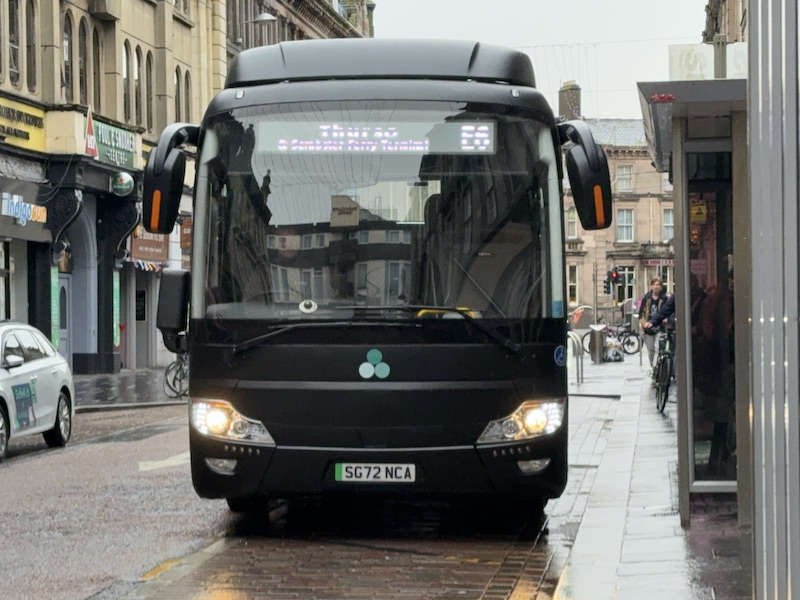
The outward journey on Tuesday involved taking a train from my local station in Hassocks, conveniently located on the Brighton Main Line not too far from Gatwick Airport, and then a flight with easyJet to Inverness followed on Wednesday morning by the new coach service (introduced last July) between Inverness and Wick/Thurso operated by ember, famous for its all battery-electric coach fleet. The return journey on Wednesday afternoon and all day Thursday would be by ScotRail and LNER trains as a comparison.
I didn’t contemplate using the Caledonian Sleeper finding it outrageously expensive and very poor value for money.
The idea was to compare prices, journey time, ambiance and comfort and, of course, enjoy the beautiful scenery Britain has to offer on a 1,400 mile round trip from the south coast to the Far North of Scotland.
EasyJet offers two (sometimes three) flights a day between Gatwick Airport and Inverness. The current schedule has departures on most days at 13:35 and 18:55 with a journey time of an hour and 45 minutes.
From Inverness Airport I could either catch a ScotRail train from the relatively new station close by or a Stagecoach bus from immediately outside the terminal building into the city.
I booked a ticket on the 13:35 flight from Gatwick. The price was £40.99. Had I been travelling with more than “a small cabin bag” I’d have incurred significant further costs for luggage which would have almost doubled that quoted price. Had I booked a (almost) turn up and go price the night before, the ticket alone would have cost £104.99.
To be at the airport in good time and allow for any delays passing through security I left Hassocks station on Tuesday on the 11:38 Thameslink train arriving at Gatwick Airport at 12:05, giving a comfortable one hour until easyJet’s advertised ‘Gate Closes’ time of 13:05.
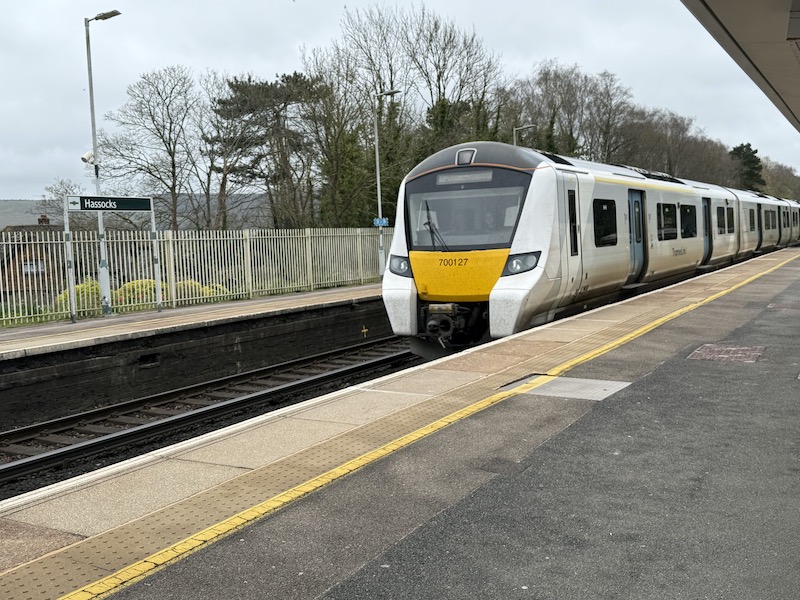
A Senior Railcard discounted single from Hassocks to Gatwick Airport cost me £6.45 (£9.70 without a Railcard).
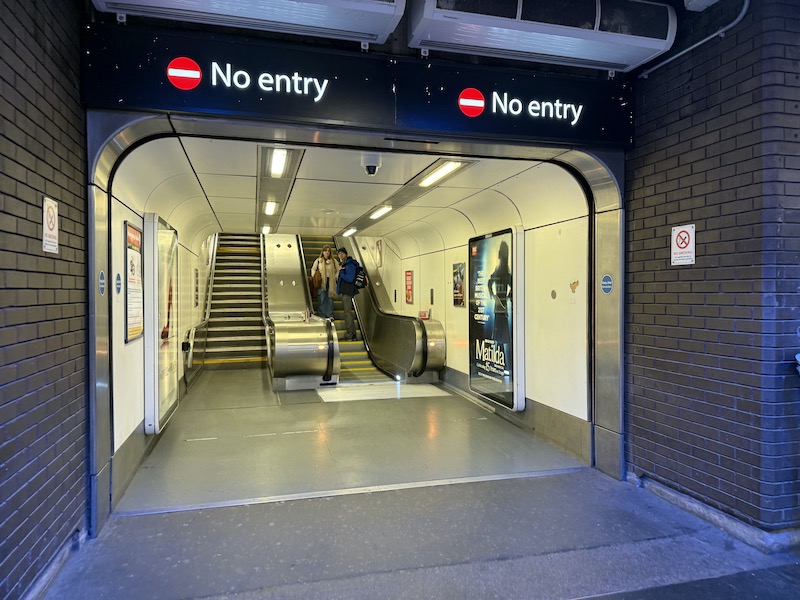
Arriving at Gatwick on time I always find it quicker to bypass the newly installed escalators taking you to the arrival corridor and instead, naughtily ignore the No Entry signs on platforms 3/4, and take the old stairs to the departure area…
… where there are arrival ticket gate barriers at the far end…
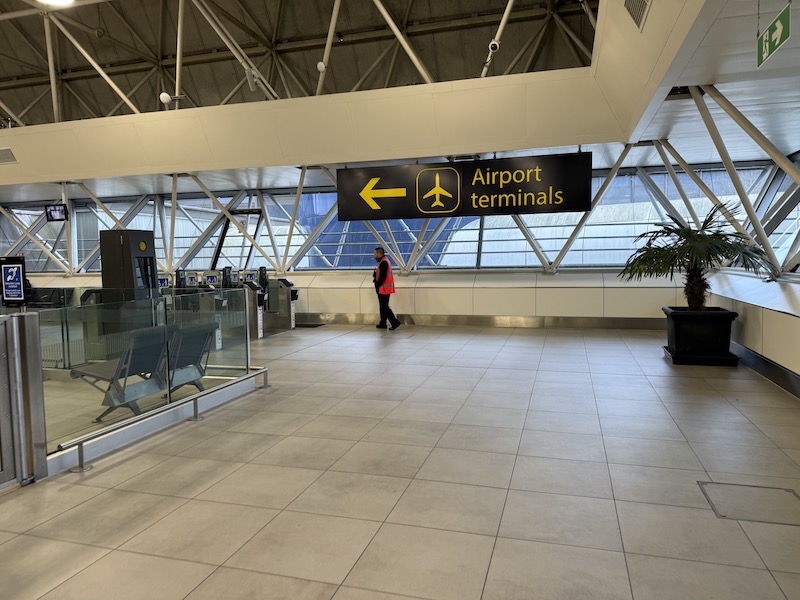
… which conveniently place you next to the shuttle for the North Terminal…
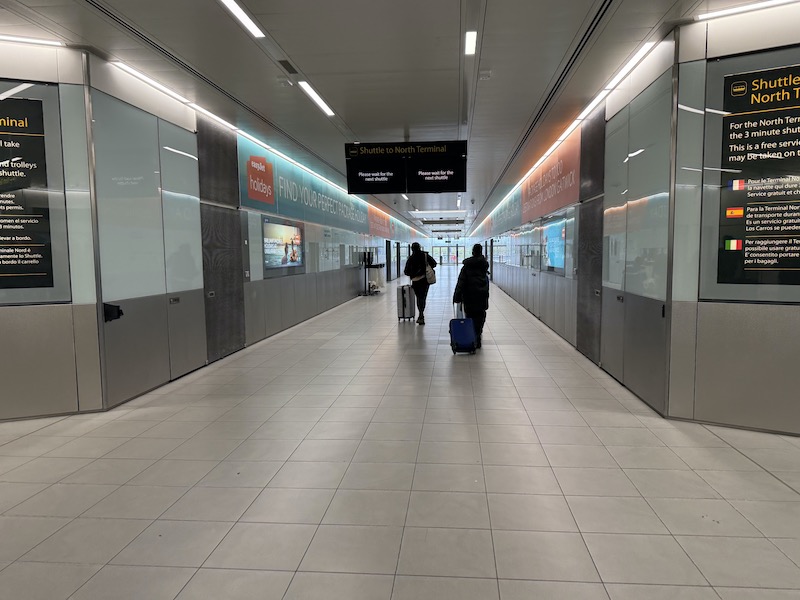
… which takes just two minutes, arriving there at 12.10.
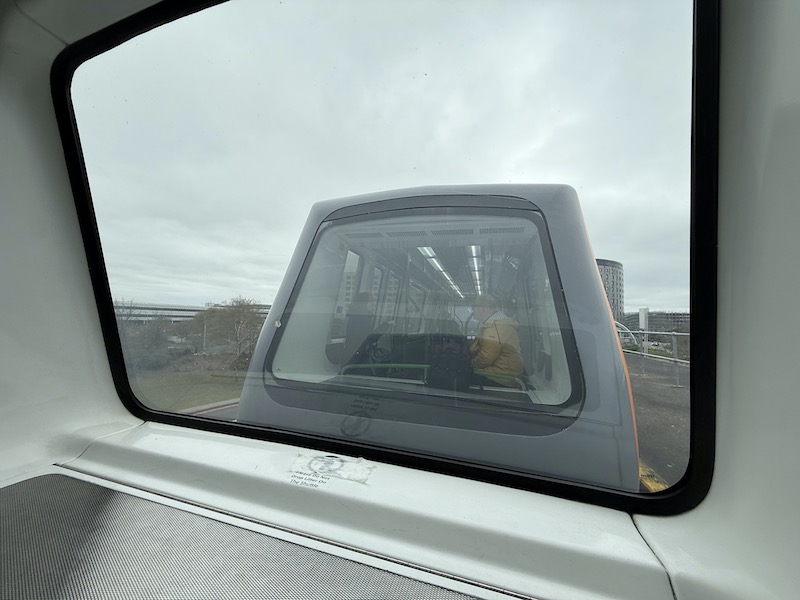
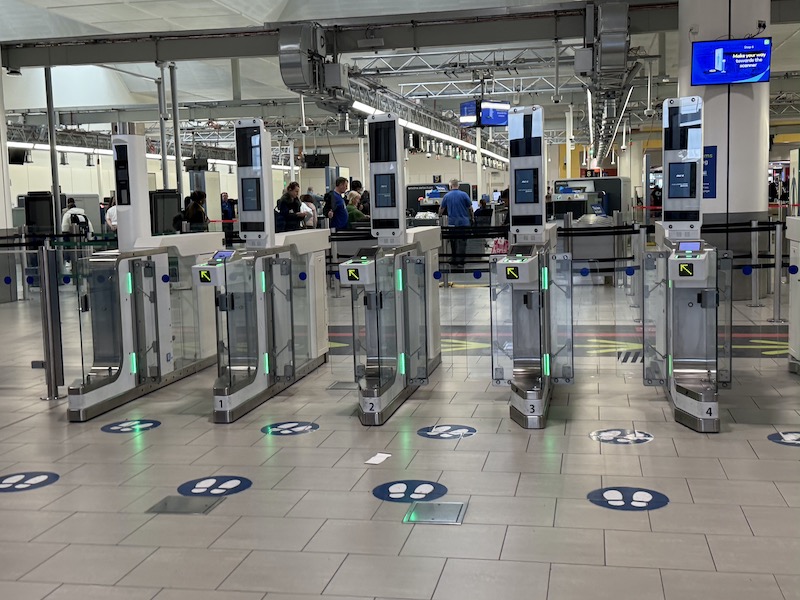
As always when I have plenty of time, passing through security was a breeze on Tuesday morning with no queues and no delay.
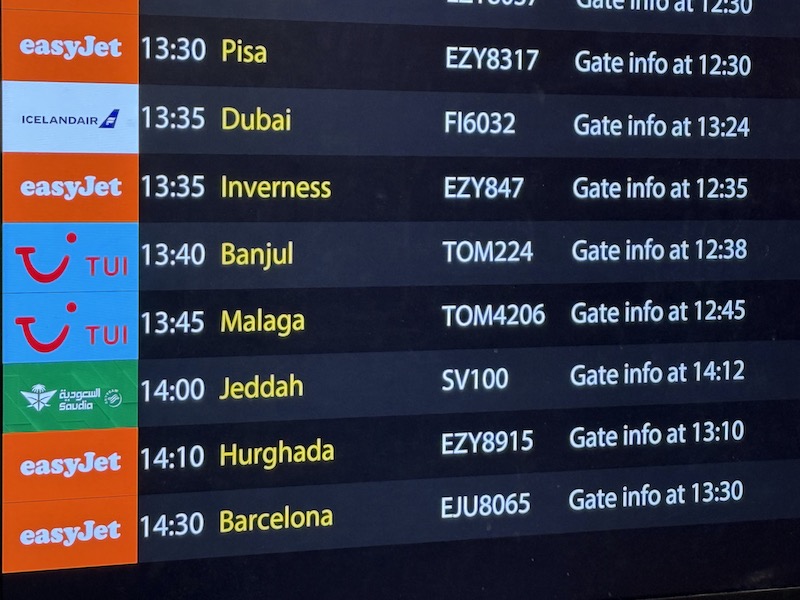
Departure boards confirmed “Gate info at 12:35”…
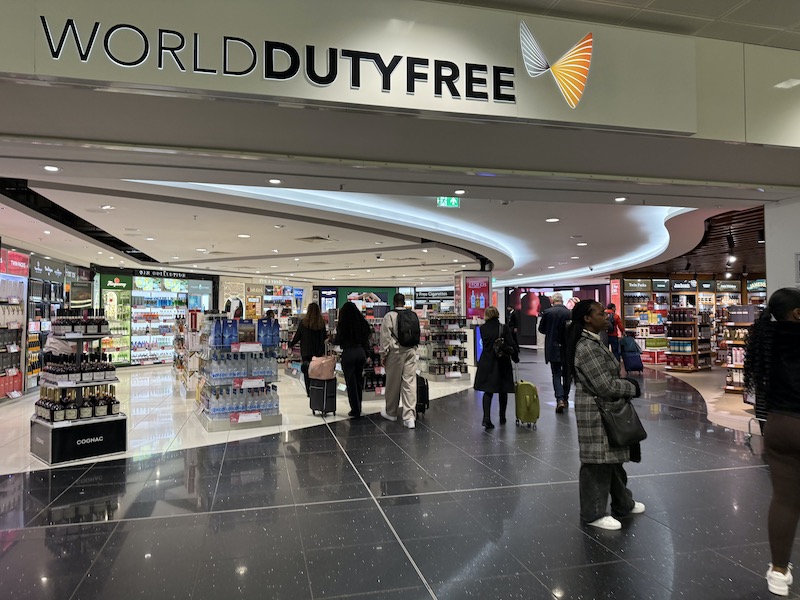
… giving plenty of time to browse the Duty Free perfumes. sunglasses and oversized Toblerones, if that’s your thing, or just sit and people watch.
Gate info duly appeared at 12:35 which was thankfully the usual gate 55 for domestic departures which has the advantage of not entailing a mile or so walk through the terminal to a far flung gate.
Boarding began promptly at 12:47…
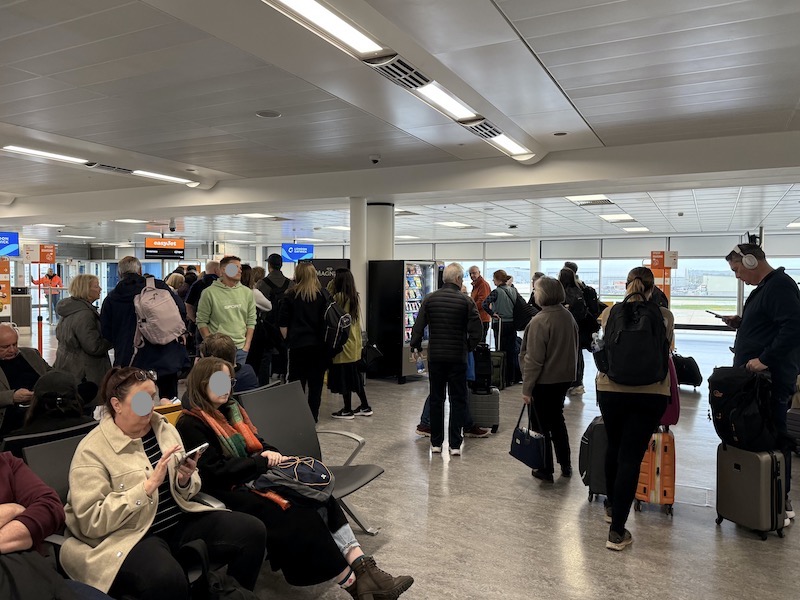
… although I was wary of joining the queue as I’d been caught out on my recent flight to Glasgow (and last year’s trip to the Isle of Man) when you’re then made to stand in line for 20 minutes before the aircraft doors are opened.
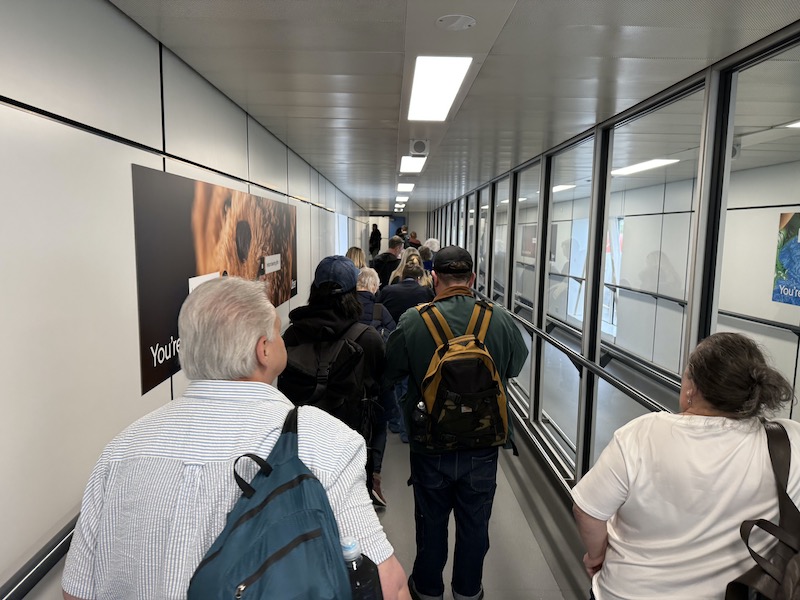
But on this occasion we were soon on board and pulled back from the gate at 13:27 with lift off from the runway at 13:38 slightly ahead of schedule, as the Captain observed.
The plane was pretty much full with only a couple of the 180 or so seats empty that I could see.
Leg room isn’t particularly generous and I’d luckily been allocated an aisle seat rather than a middle or window although I could have forked out about £10-£15 to choose an aisle seat rather than leave it to chance.
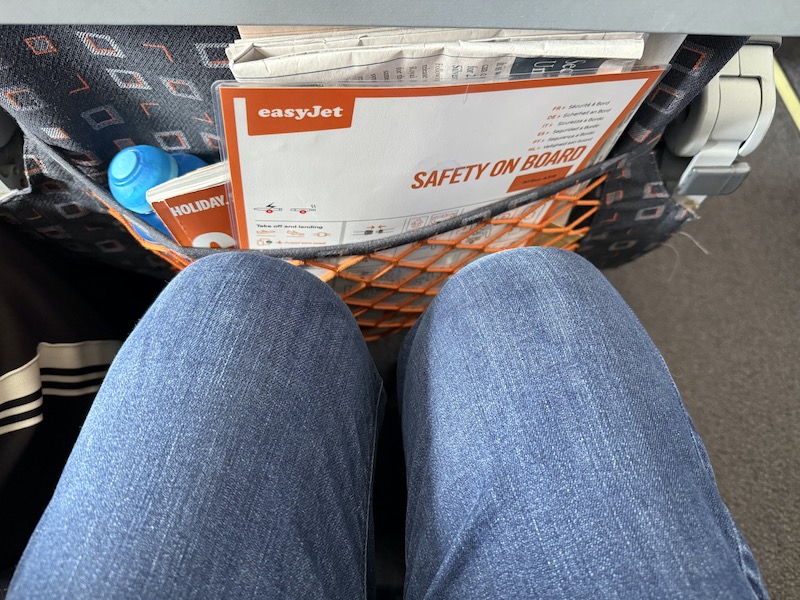
You don’t get to enjoy any views from an aisle seat though, but in any event it was a cloudy day and indeed we incurred some turbulence later in the flight but otherwise all went well and we touched down in Inverness at 14:51 having spent an hour and 13 minutes in the air.
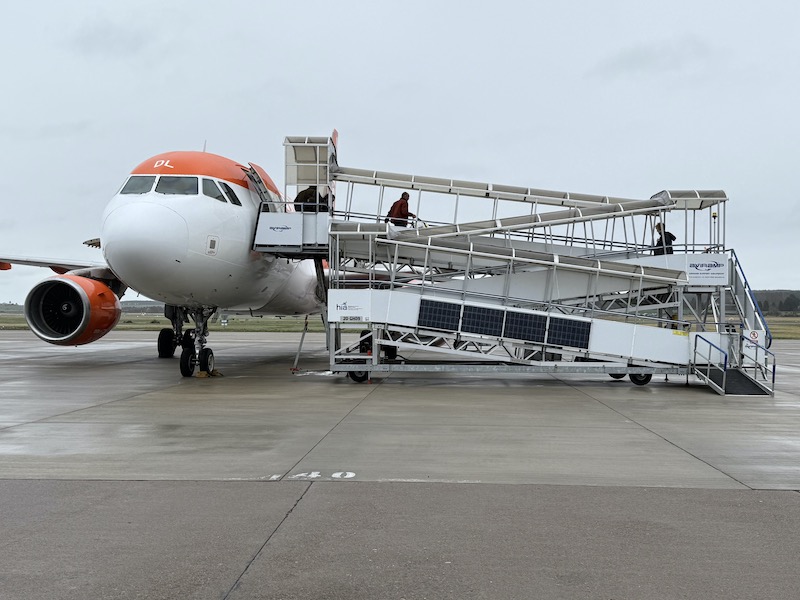
It didn’t take long to offload. I used the rear exit with mobile stairs added but I was intrigued to see a mobile ramp was installed from the front end exit making it easier for those with accessibility needs.
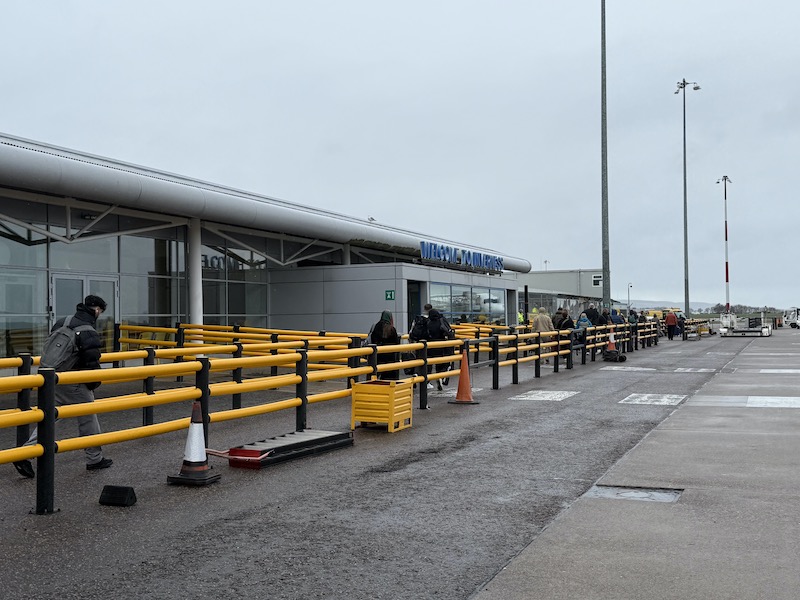
After that I was soon inside the terminal building and realised I’d just missed both the 14:58 ScotRail departure and the 14:58 Stagecoach bus on route 1 for the city centre so decided to shelter from the rain and wait inside the terminal building for half an hour before venturing over to the railway station for the next train departure at 15:47.
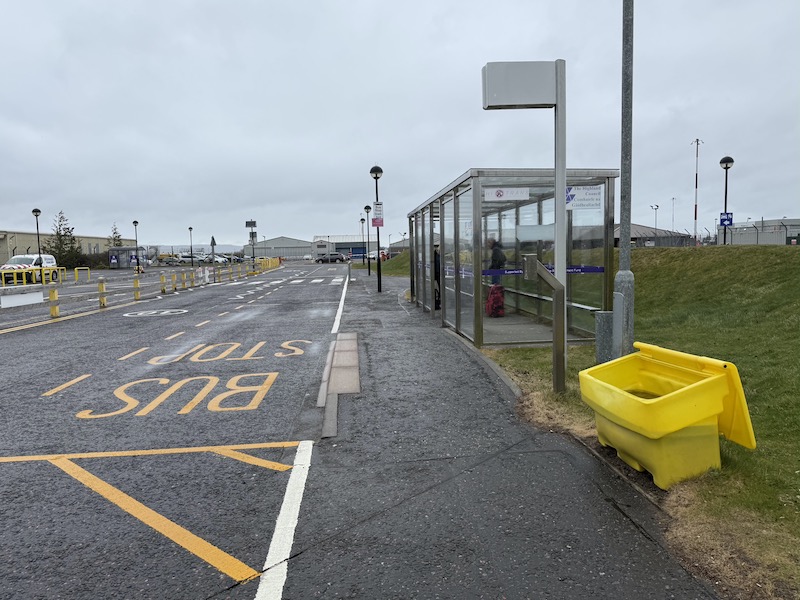
Before doing so I checked out the bus shelter and found three passengers eyeing up the list of (more or less) hourly departures. I offered the helpful advice that a train completes the journey in just 12 minutes compared to the bus taking 49 but was told they couldn’t face the long walk to the station.
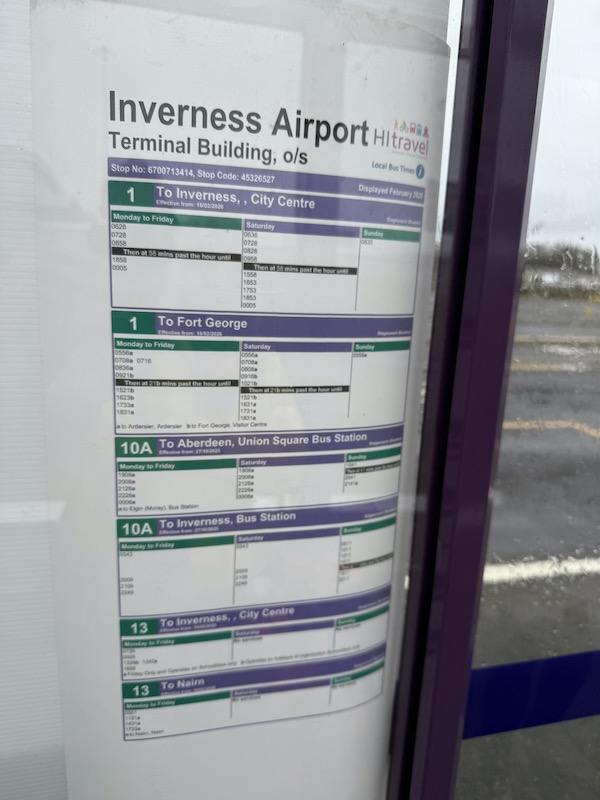
I don’t blame them. I set off in the persistent light rain but with the wind blowing it’s not what I’d describe as a pleasant walk…
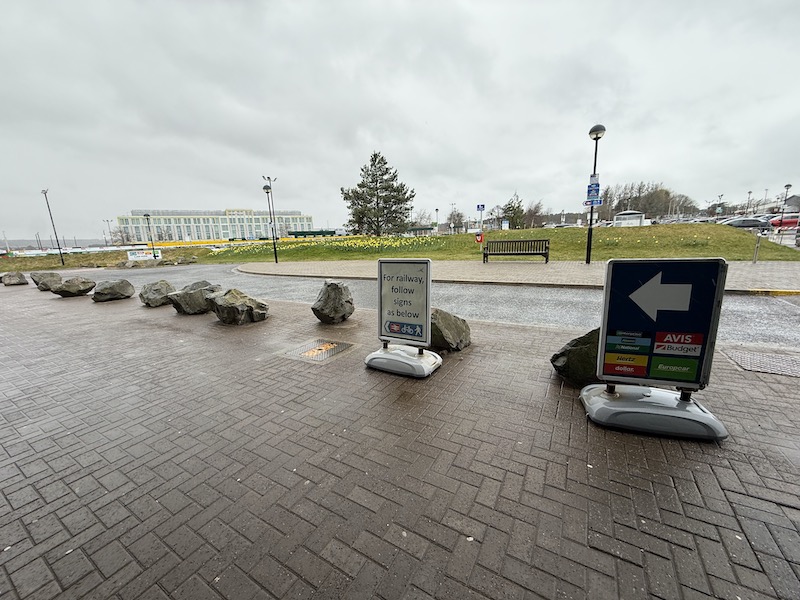
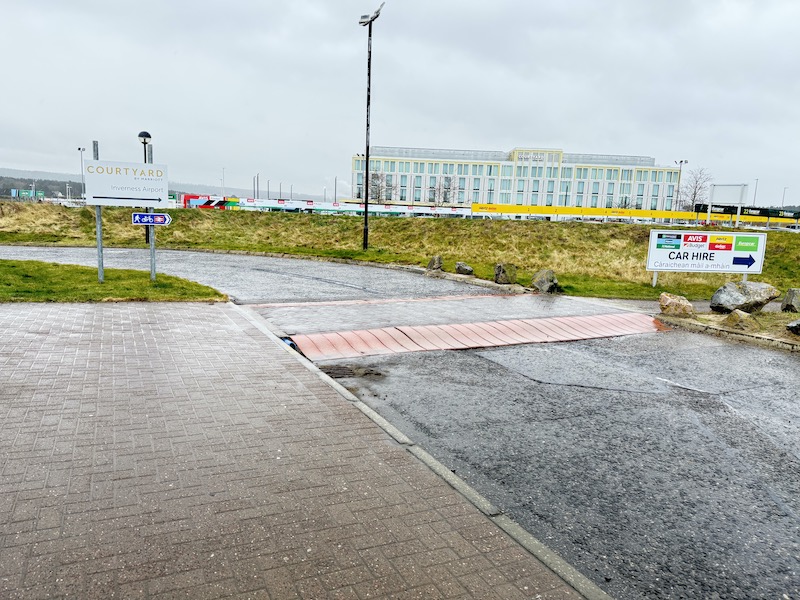
… all the more so as you’re routed on a signposted footpath…
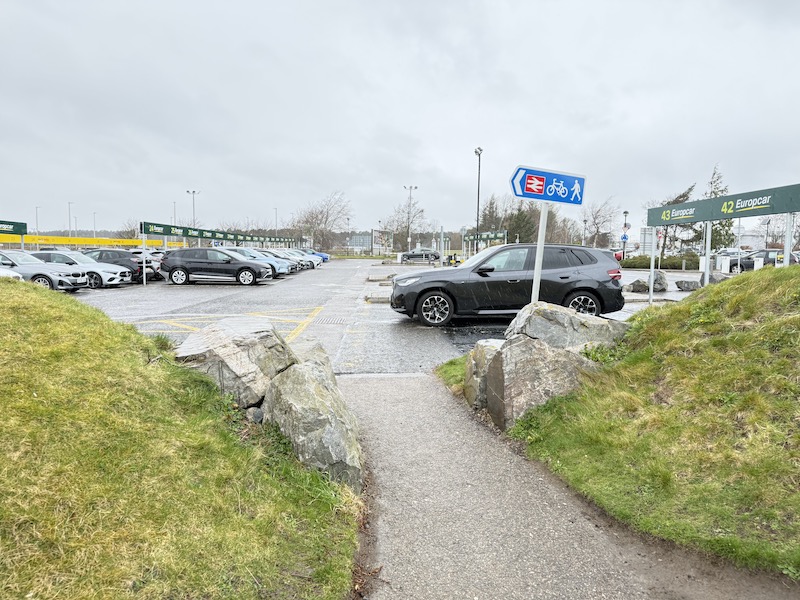
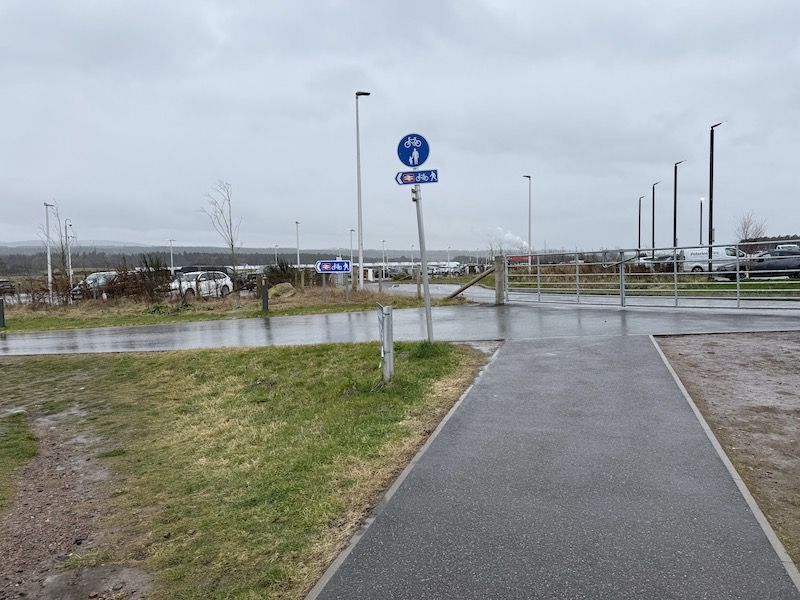
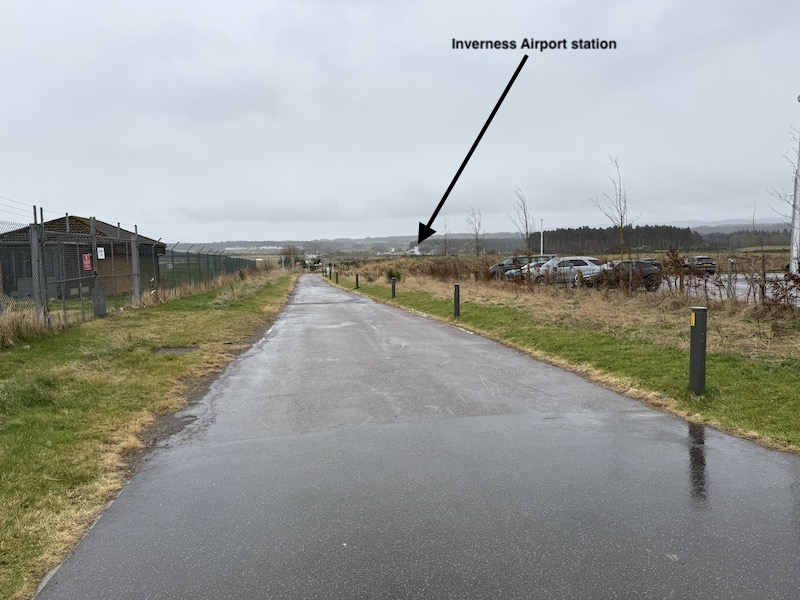
… that understandably deviates around the end of the runway…
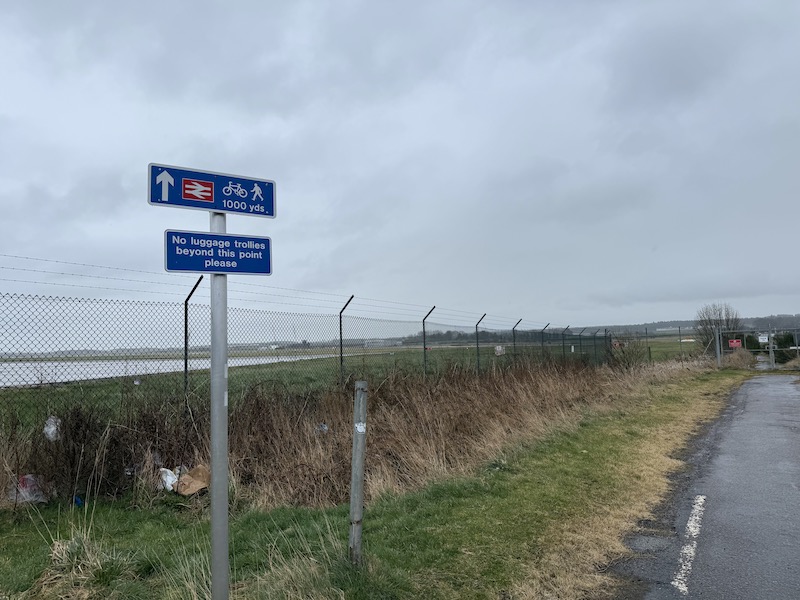
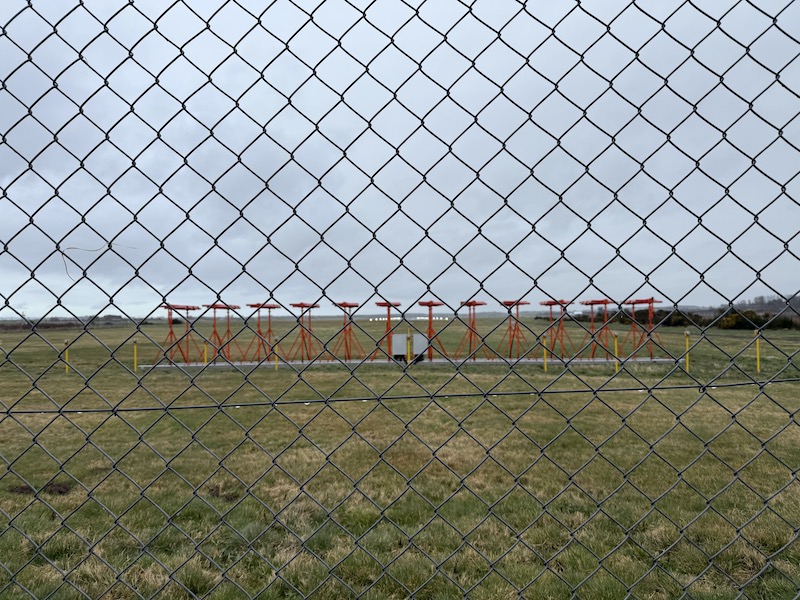
… and makes you feel you’re on a long meander with the station getting further away, rather than closer.
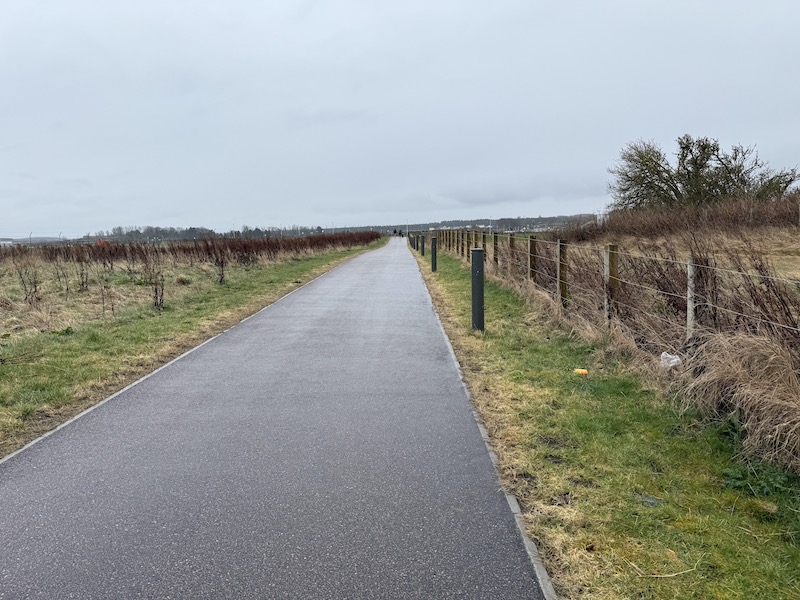
It takes 15 minutes.
What puzzled me was the app I use for train departures was showing a bus symbol alongside hourly departures from the station to somewhere called IVRNABS.
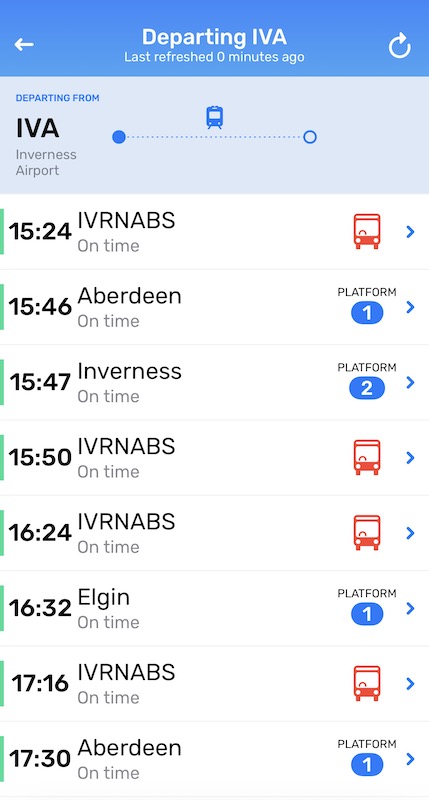
Looking on RealTimeTrains it shows these as a bus shuttle between the station and the airport terminal and “buy tickets from Inverness Airport” but when I enquired at the Information Desk in the Airport the staff knew nothing about it.
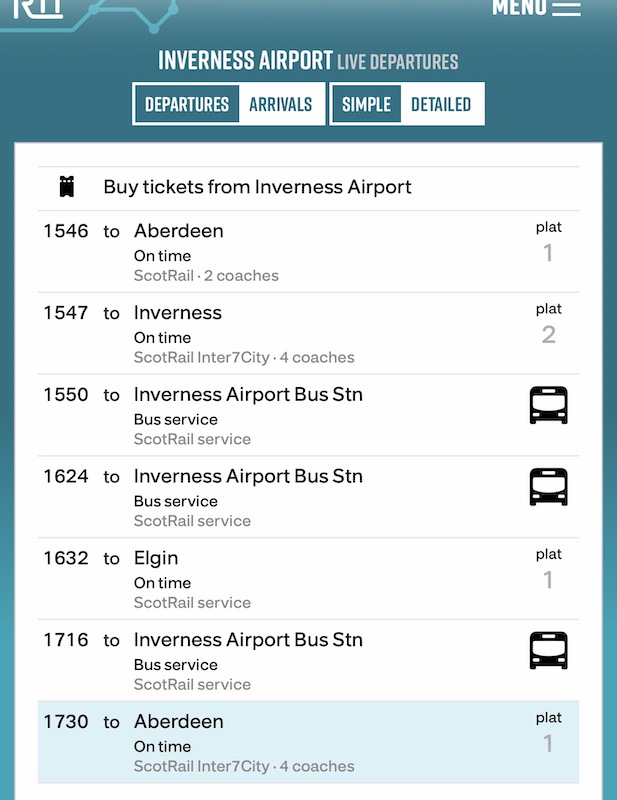
And I watched closely to see if a bus would appear at the station’s bus stop at 15:50 but nothing did, so I don’t know what that’s all about.
What I did see was a Stagecoach bus on route M96 call in on its way to Nairn and Aberdeen and interestingly it dropped a passenger off by the footpath for the terminal building as it headed towards the station on the access road.
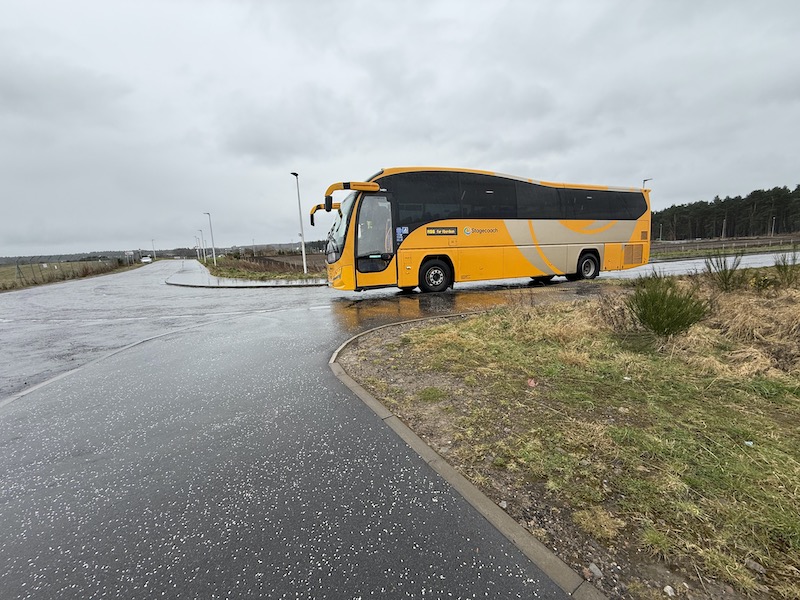
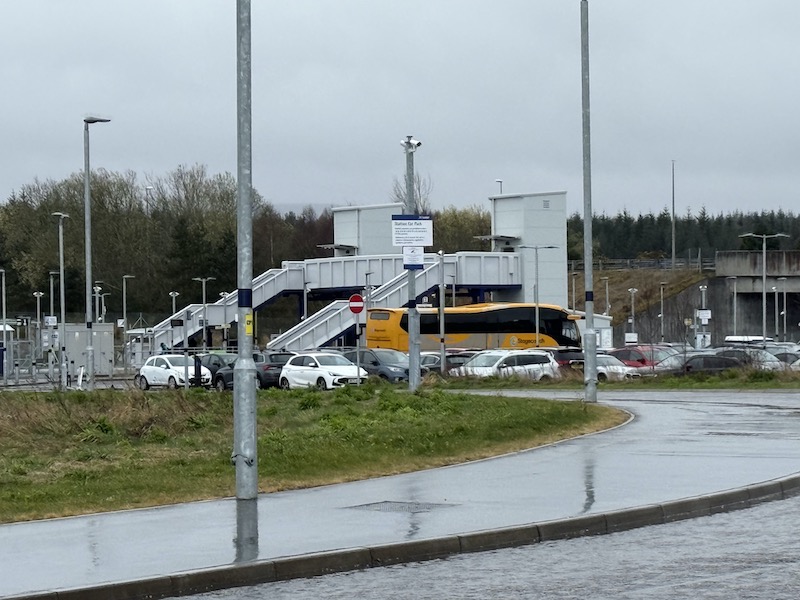
It didn’t deviate further to serve the airport terminal which struck me as odd as I would have thought more passengers want to connect with the airport than the airport station which serves the same destinations as the coach.
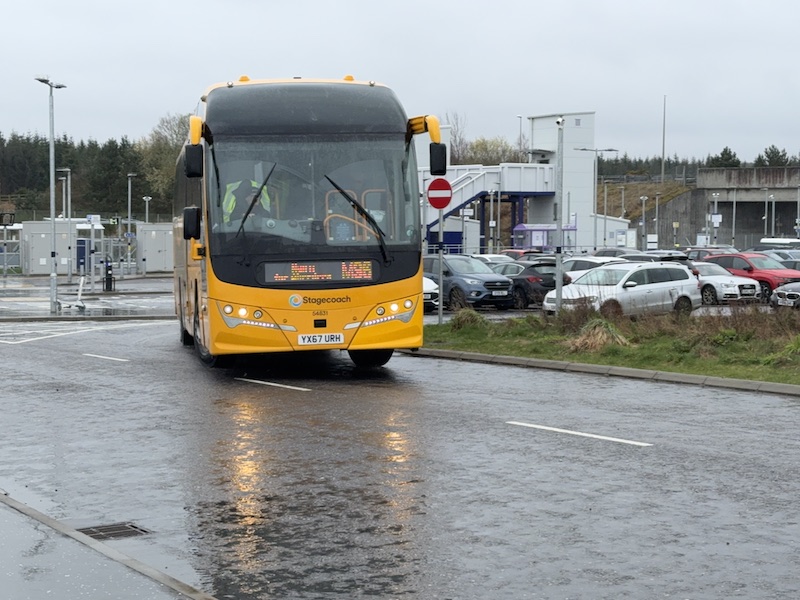
Had it done so, it could have provided another link between the station and the airport.
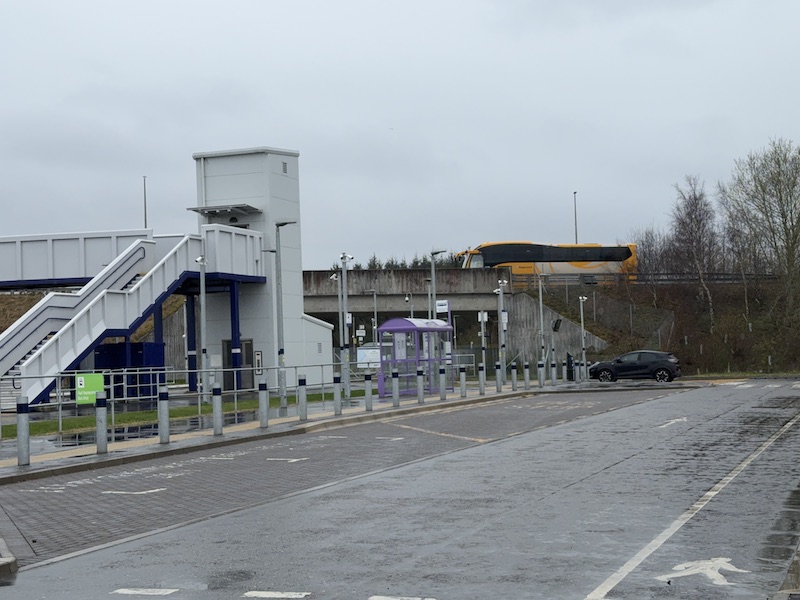
It’s all feels very below par.
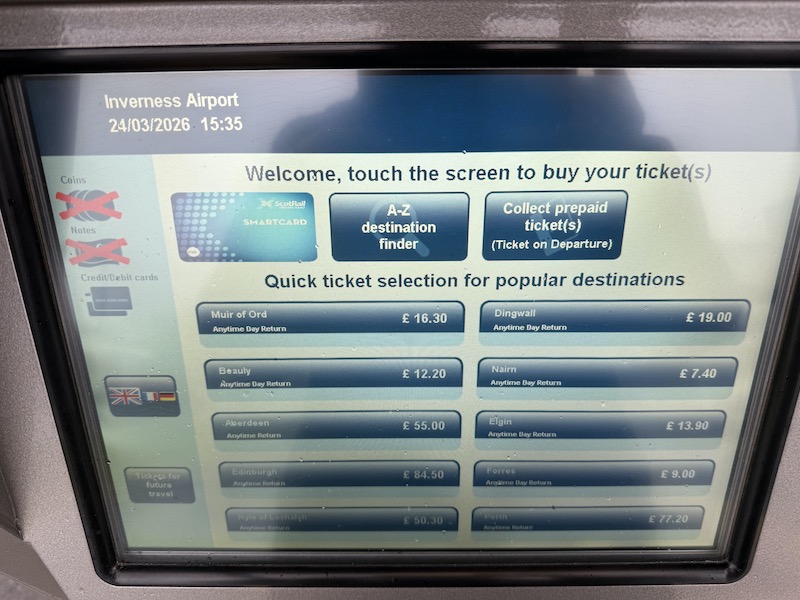
A single into Inverness with a Senior Railcard is £4.05 (£6.10 with no discount) and bizarrely Inverness doesn’t appear as a “popular destination” on the home screen of the Ticket Vending Machine at the station (there’s no ticket office).
In better news, my train into Inverness was an HST.
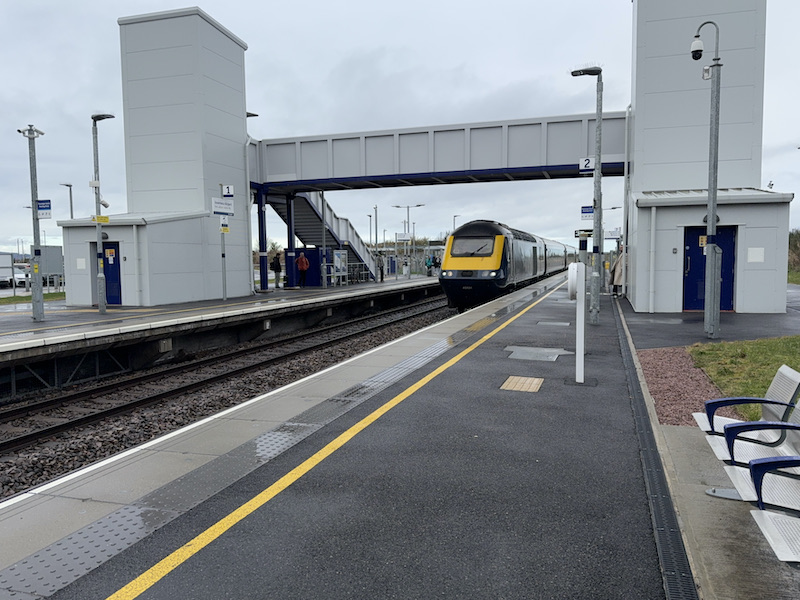
After a short delay caused by “a broken down freight train outside Inverness station” we set off, arriving into Inverness at 16:10.
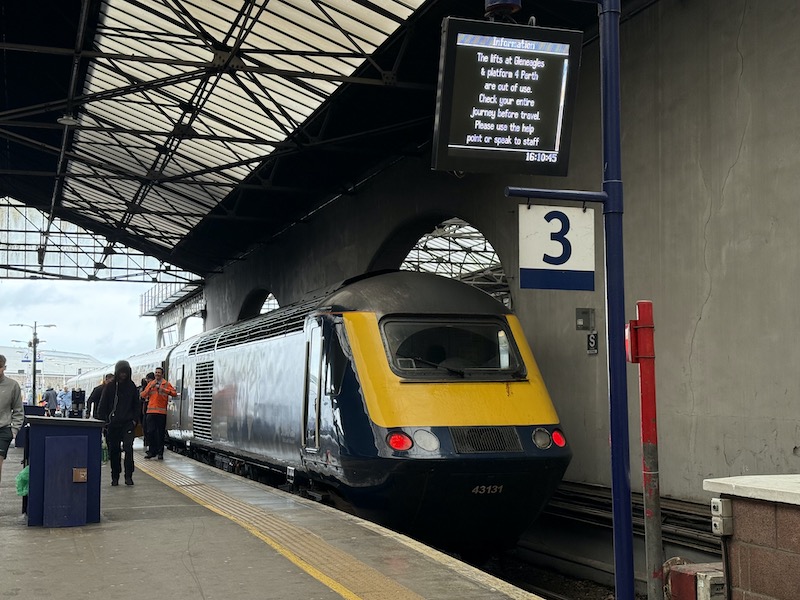
It had taken four hours and 32 minutes to travel from Hassocks station to Inverness station at a of cost £51.49 (£56.79 without a Railcard).
I’ll compare that to my return journey by train in Part 2 tomorrow.
But for now, after an overnight stay in Inverness it’s onwards and northwards to Wick.
As already explained, I booked with ember to try out more of its expanding network across Scotland with my booking originally costing £14.75 when made on 3rd March.
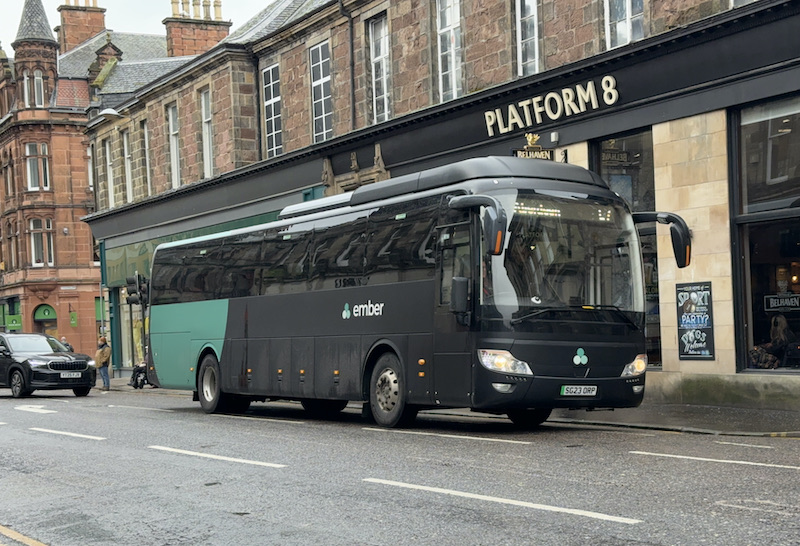
Ember run four return journeys a day between Inverness, Wick and Thurso with departures from Inverness approximately every four hours at 04:30, 08:21, 14:34 and 18:39. This compares with Stagecoach’s long standing X99 covering the same route which offers three return journeys leaving Inverness at 10:50, 14:20 and 17:10. I’ll compare with ScotRail’s service in tomorrow’s Part 2.
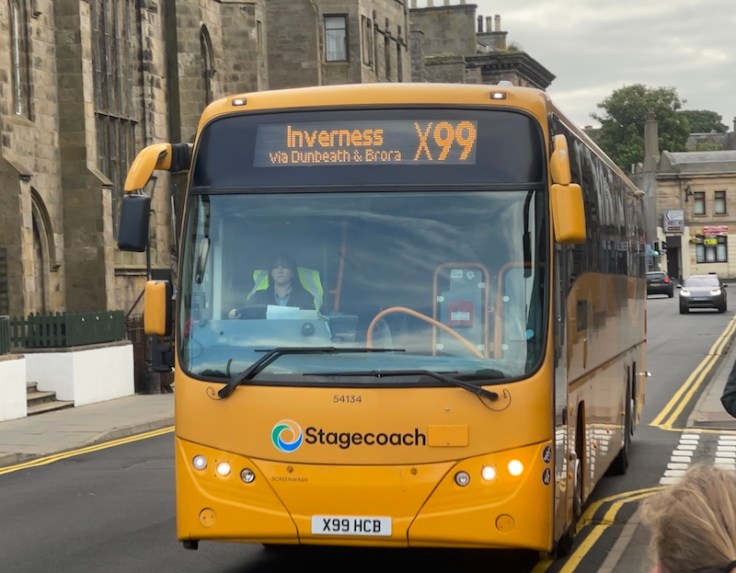
In the southbound direction ember depart Thurso at 03:52, 09:24, 13:49 and 19:42 (not sure why they don’t leave at more memorable times ending with an 0 or even 5) while Stagecoach departs at 06:20, 09:20 and 11:50 – note the clash at 09:20/09:24 and for a three and a half hour journey too.
Not relishing an 04:30 start I chose the 08:21 departure from Inverness.
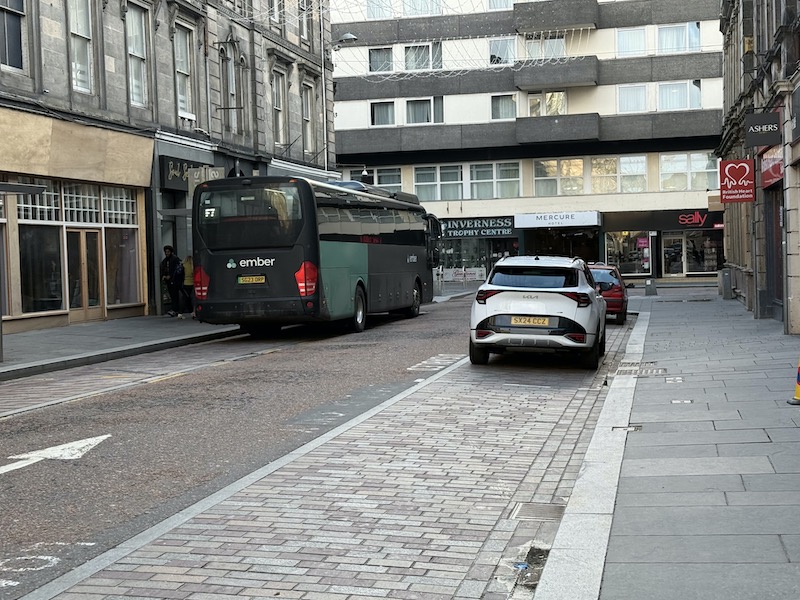
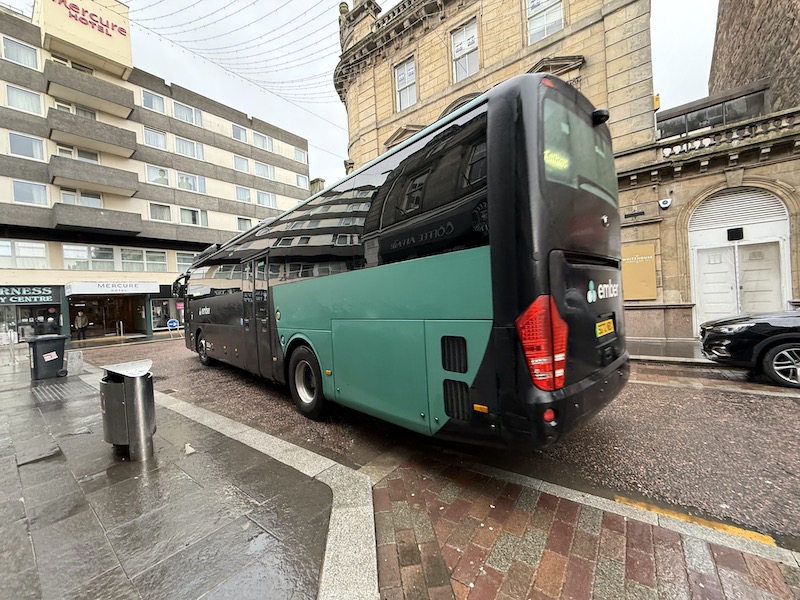
The coach leaves from a designated ember bus stop in Union Street rather than the city’s bus station where Stagecoach rule the roost and Citylink coaches also depart.
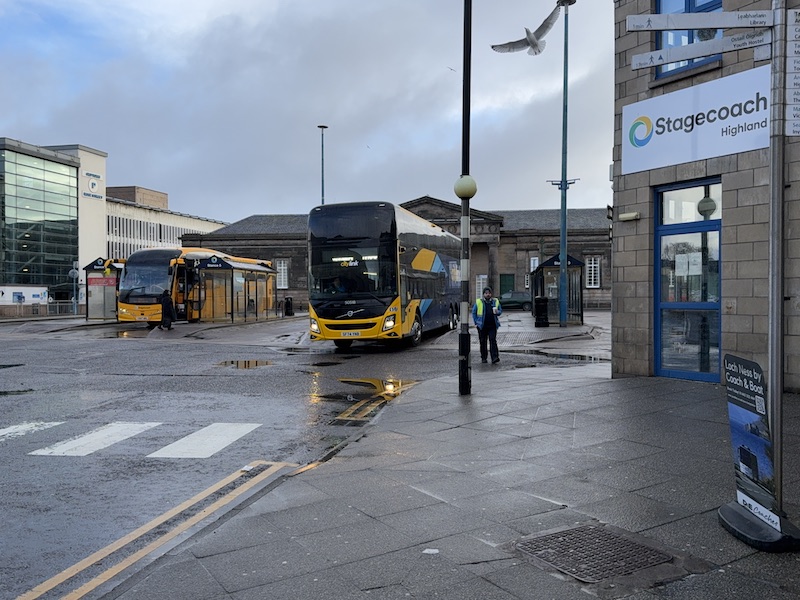
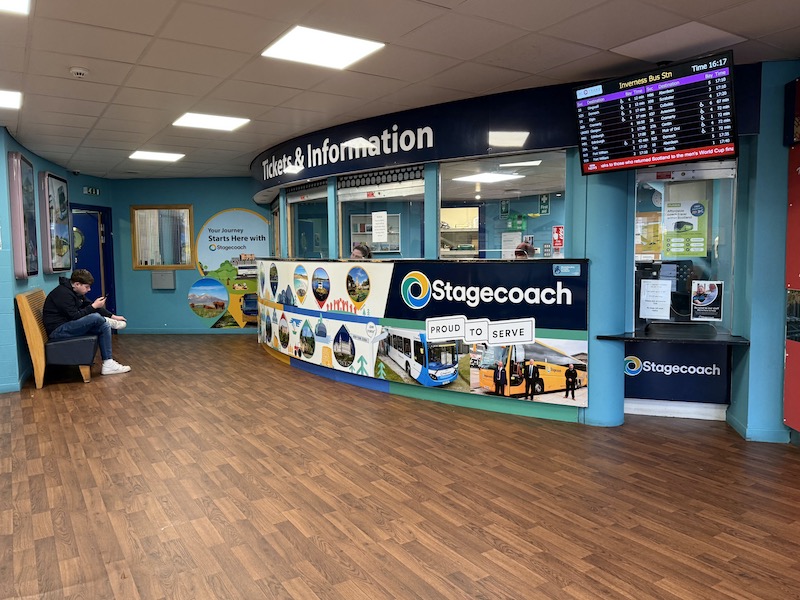
Indeed, Stagecoach has a ticket office with two members of staff and a waiting room.
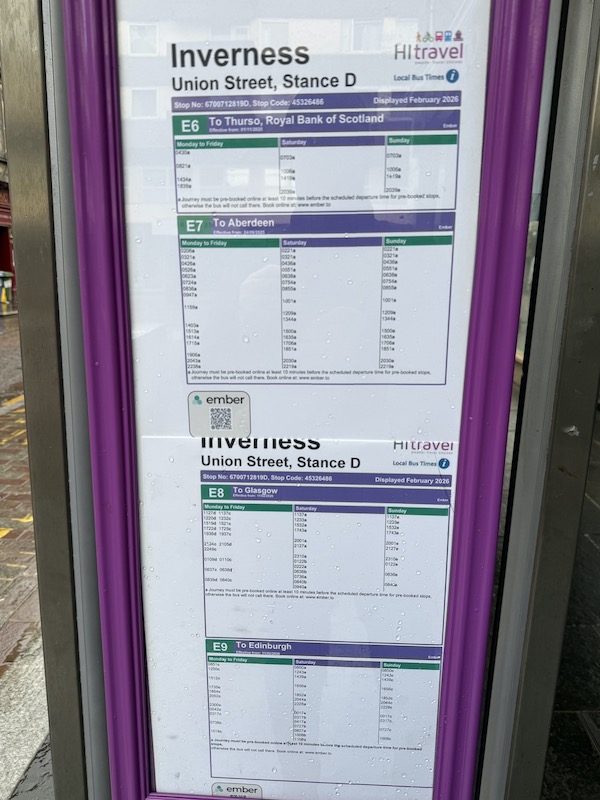
All ember’s departures are listed in the timetable case by ‘Hitravel’…
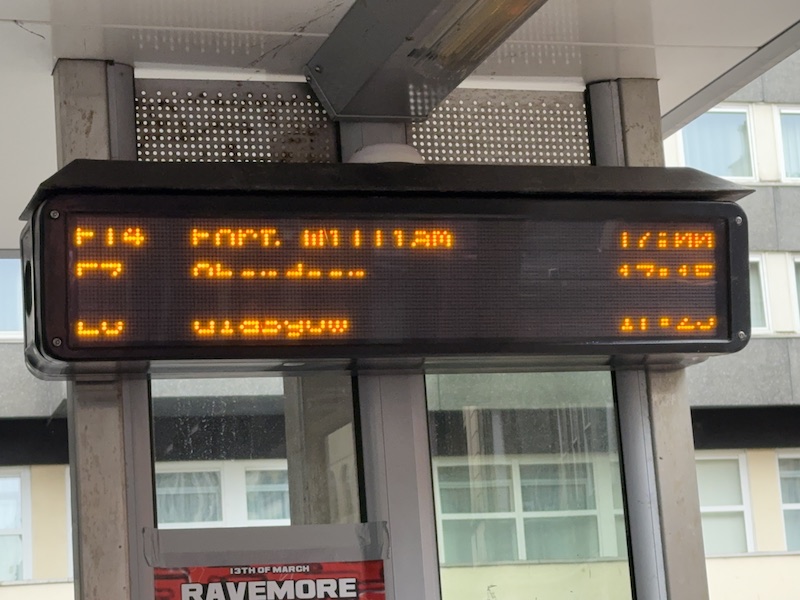
… and there’s an electronic departure sign.
Destinations from Inverness now include Aberdeen, Fort William, Glasgow and Edinburgh as well as Thurso so excellent coverage of Scotland and a real rival to Citylink.
On Monday I noticed ember’s website was now showing all fares on its upcoming departures on route E6 (Inverness to Thurso) at £2 single to be in line with the new Transport Scotland funded fare cap and as I’d paid £14.75 when booking on 3rd March, I gave ember a call to find out about a £12.75 refund although I’d read Transport Scotland’s advice that pre-booked tickets prior to the scheme commencing did not qualify for a refund, which seemed a little unfair.
A helpful member of staff quickly answered and explained I’d need to go online and cancel my previous booking which would attract a full refund and then make a fresh booking at £2. I did just that and it proved to be a very easy transaction.
Train companies could learn a lot from ember. Letting passengers cancel tickets purchased in advance with no administration fee is an alien concept to rail professionals – let alone cancel advance purchase tickets, yet here’s ember doing just that and creating a huge amount of goodwill. Certainly this passenger is impressed.
So with my newly obtained £2 booked fare on my smartphone, Wednesday morning found me waiting in Union Street for the coach and at precisely 08:21 it duly appeared and myself and one other passenger boarded. And we were off.
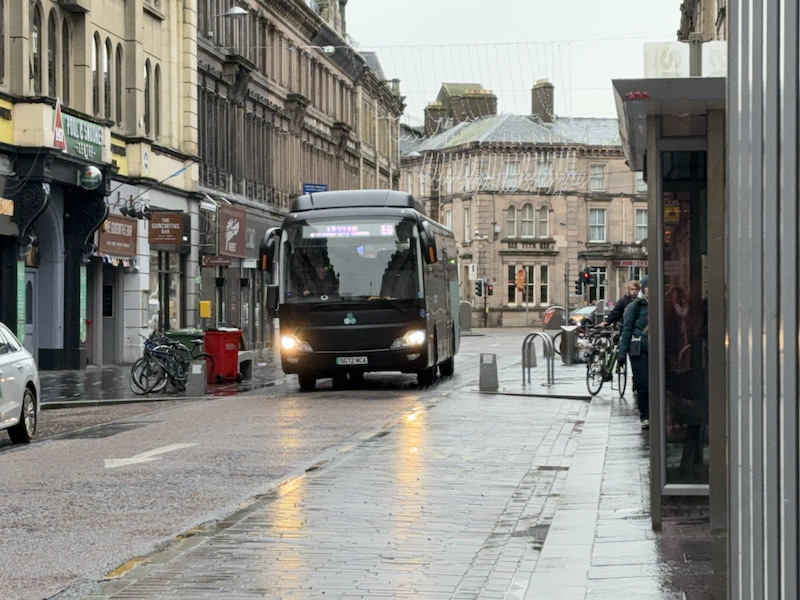
Unlike the train which heads due west and then due north, the coach heads out of Inverness on a more north westerly trajectory thanks to the Kessock Bridge taking the A9 over Beauly Firth.
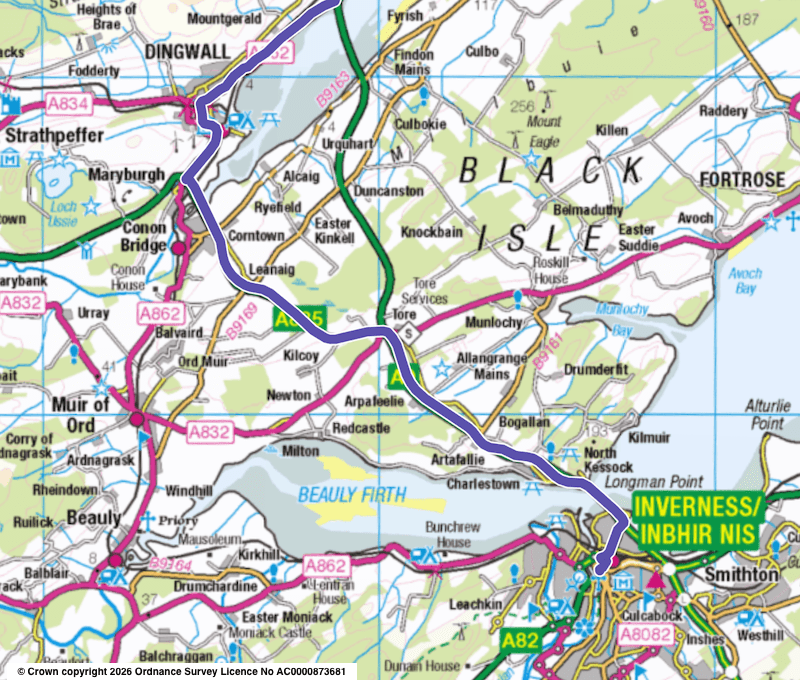
Despite leaving Inverness in morning peak traffic we reached Dingwall in 28 minutes (the train takes 35 minutes on most journeys) and on arrival we picked our second passenger up. He’s off to work and travels for half an hour alighting in a lay-by on the A9 near the village of Milton.
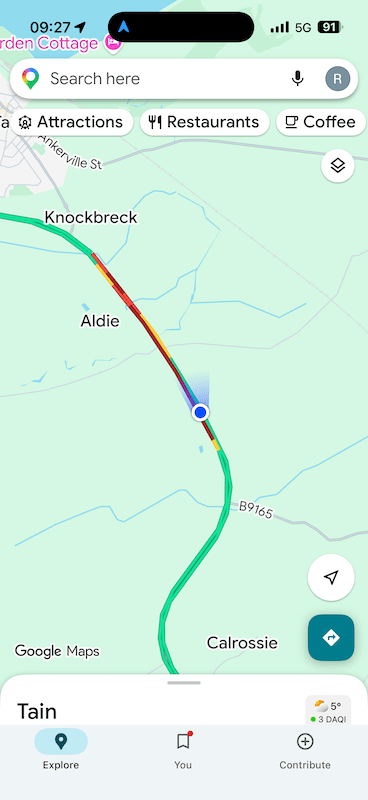
As we continue north along the A9, at around 09:30 we hit a long queue of traffic at some temporary traffic lights outside Tain.
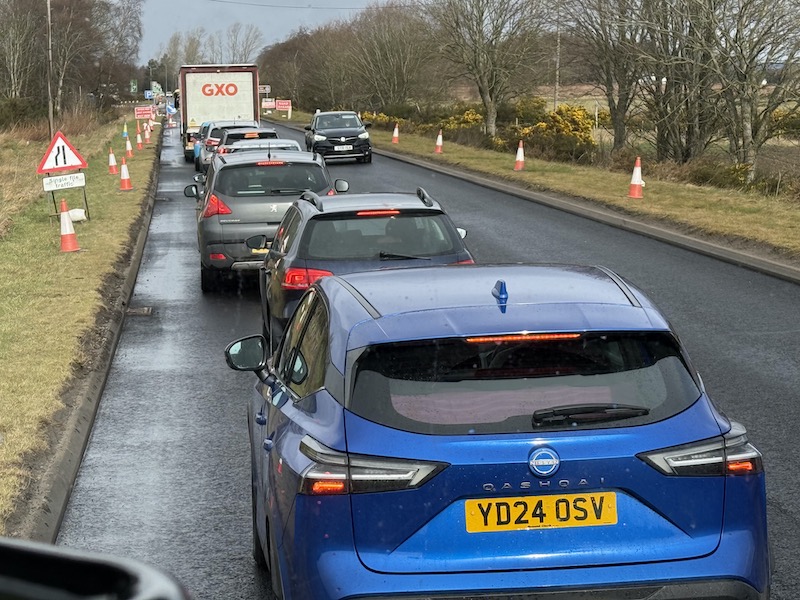
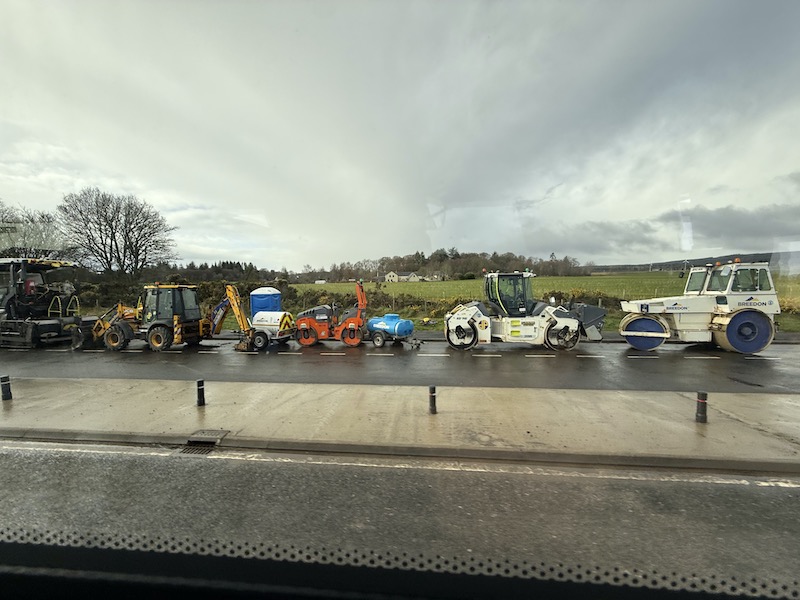
It takes 13 minutes to pass through and all the more frustrating to see no work taking place and all the equipment standing idle.
A small diversion off the A9 to an Asda store on the edge of Tain brings forth another passenger – this time a young adult who almost certainly qualifies for free travel (under 22). She also travels for half an hour and alights in Golspie.
Before that, the Inverness boarded passenger alights on the outskirts of Dornoch to where we’d done a one and three quarter mile double run for his benefit. He’d travelled for an hour and a half – it was now 09:50.
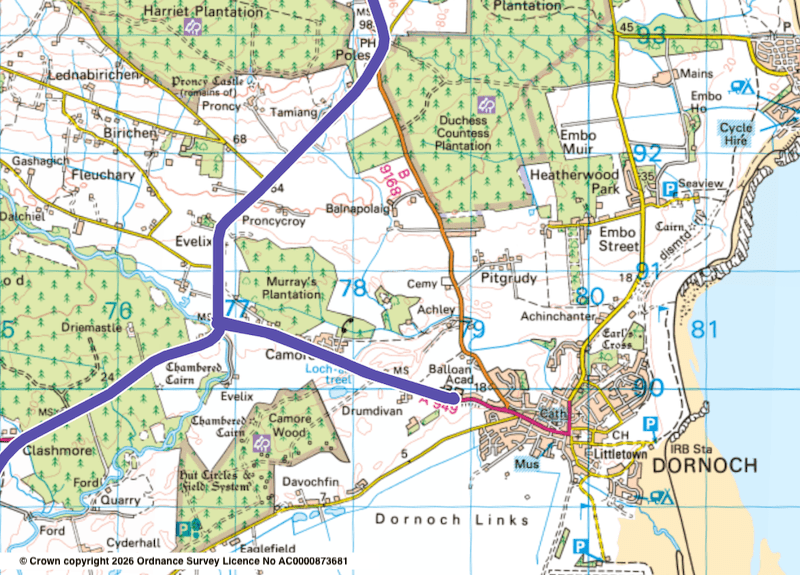
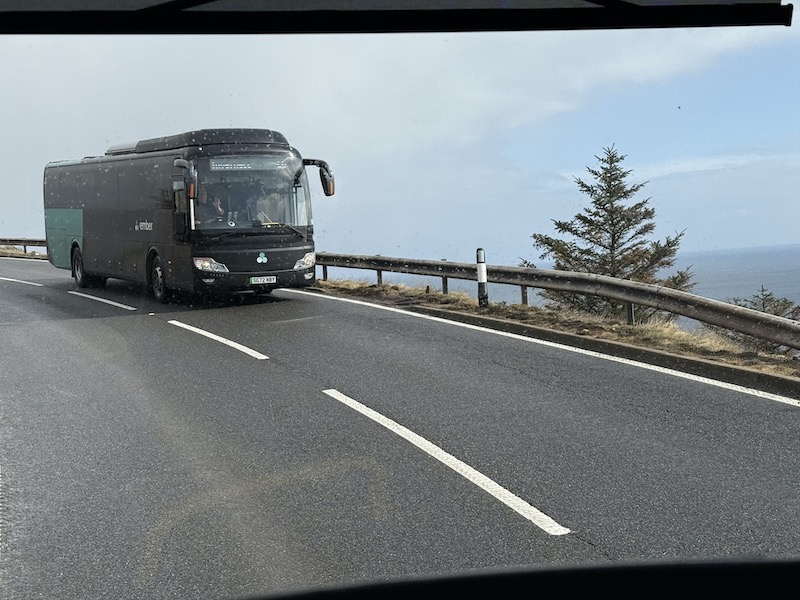
After leaving Golspie at 10:10 it was just me on the coach for the rest of the eighty minute journey to Wick with it being noteworthy we passed the other coach on the service heading south at 10:47 being closely followed by the Stagecoach X99 – they being the aforementioned 09:20/09:24 ex Thurso double act. Due to tinted windows in both coaches I couldn’t see how many were on board.
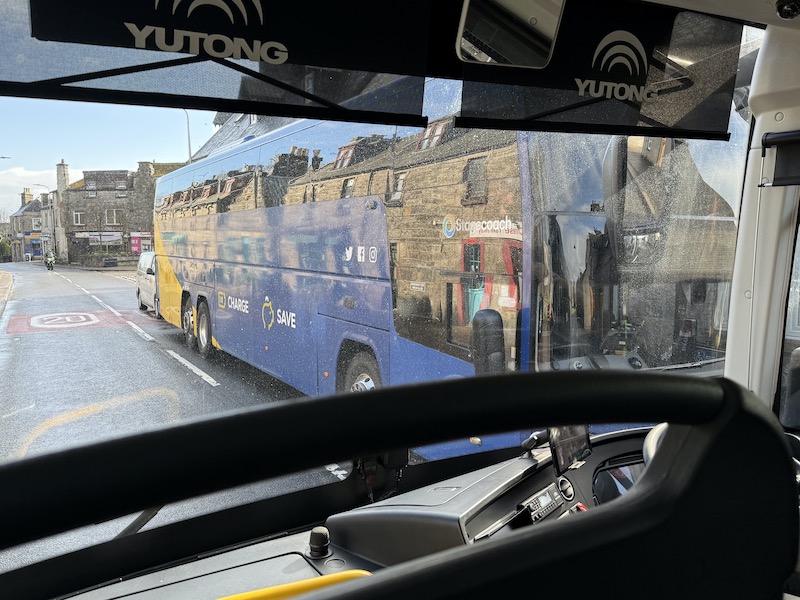
Half an hour earlier in Brora we’d passed a Stagecoach/Megabus broken down to which our friendly driver gave some words of comfort to the staff as he passed – he being a former Stagecoach driver himself but delighted to now be working for ember.
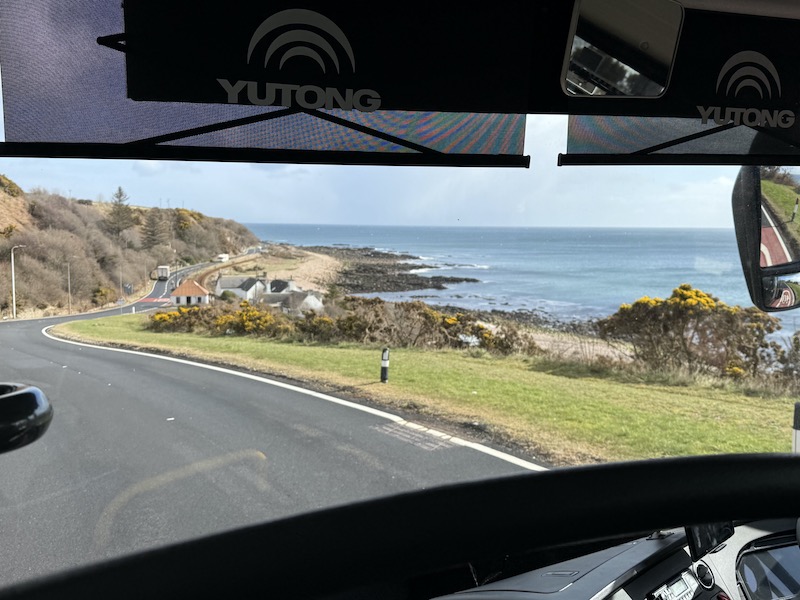
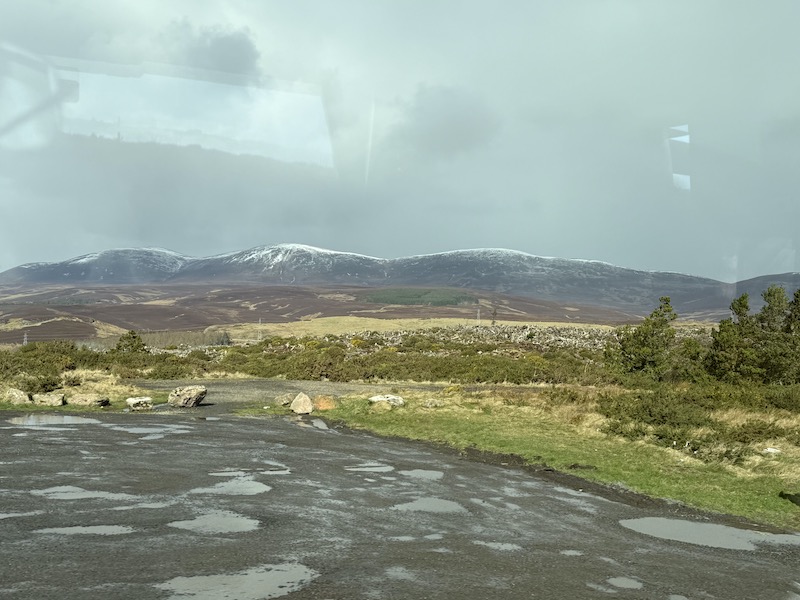
It’s a lovely ride up the A9 and, closer to Wick, the A99, with some great views of both the coast…
… and the inland mountain scenery.
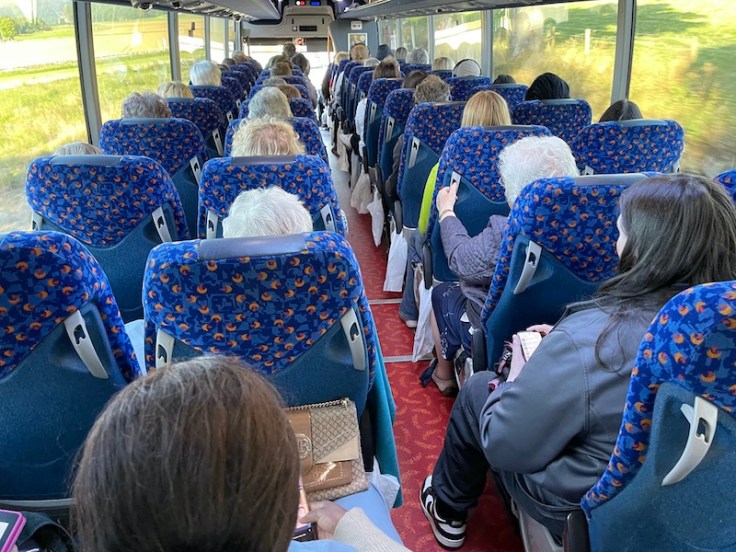
The battery-electric coach is a joy to ride in with comfortable seats and an on board toilet for when needed.
We pulled into the bus stop by Wick’s Co-op store, not far from the railway station, rather than the ‘bus terminal’ in the town centre, a couple of minutes early at 11:24 and I bid farewell to the excellent driver who told me he was finished for the day when he got back to Thurso having driven the 03:52 southbound journey from the town that morning.
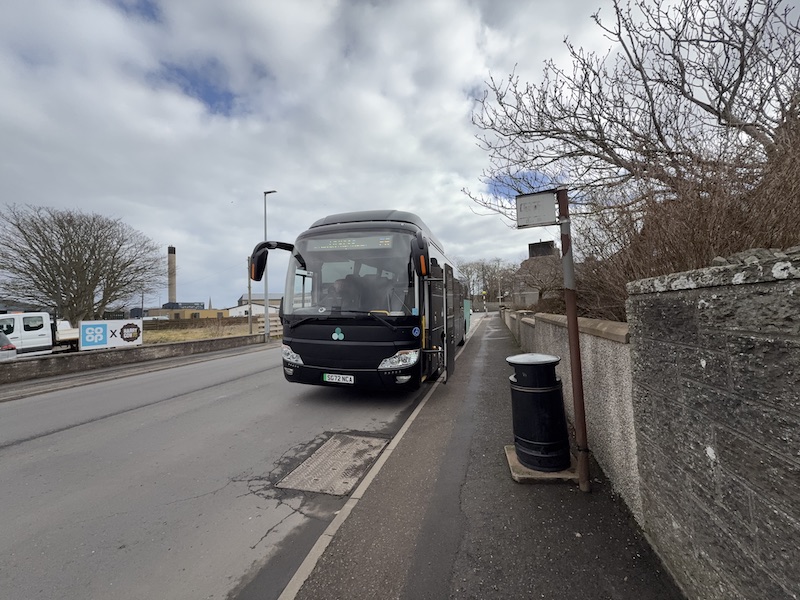
He also added he’d been surprised how quiet that morning’s journey had been, telling me it’s normally busier. I’d hope so if ember is going to make a sustainable future from the route and I’m assuming Transport Scotland are hoping its £2 fare cap will lead to significant generation.
As word spreads this summer I think that’s highly likely as I’ve travelled on the X99 with full loads at fares costing £28 back in 2024, as readers may recall I wrote about at that time.
Which makes it all the more odd to charge £2 when coaches are already full at much higher fares at peak season times. I reckon this summer will see chaotic scenes on popular routes such as between Fort William and Inverness and Fort William and Skye. Indeed, I envisage these routes becoming impossible to travel on unless booked well in advance as already is the case at normal fare levels (£30-£35) during July and August. It makes for a very curious (and costly) intervention by Transport Scotland.
On routes where seats can’t be booked in advance and are often operated by low capacity minibuses – such as popular routes on Shetland Islands and the Western Isles – I simply wouldn’t take the risk of travelling this summer for fear of being left stranded on low frequency routes due to the bus being full. Not only is this going to put off tourists but also severely inconvenience local regular passengers.
But this week my ember travel experience can be summed up as a three hour and three minute very quiet journey costing £2.
In Part 2 tomorrow, in a Sunday bonus blog, I’ll compare and contrast all the foregoing with my return journey from Wick to Hassocks by train.
Roger French
Blogging timetable: 06:00 TThS and tomorrow’s Su bonus blog.


The £2 fare cap you describe may be a good deal for passengers but I really worry about the effect it will have on patronage of the Far North rail line from Inverness to Thurso/Wick. Patronage on this route is fragile outside peak Summer and with a huge price disadvantage, not to mention longer end-to-end journey time there is almost bound to be considerable modal shift to the detriment of the rail line. I wonder whether Transport Scotland has thought through the implications of this initiative.
LikeLiked by 1 person
So no £2 fare cap for the parallel rail service which presumably being a 156/8 does have more capacity, so the losses on that increase further.
LikeLike
This nonsense of making air passengers stand in line after final check-in and before boarding has even spread to BA now. Heathrow T 5 going to Nice last Sunday. I had thought it was a Ryanair speciality. It is very poor as some people cannot stand for long and should be stopped
malcolm chase
LikeLike
I had two Citylink tickets for Campbeltown booked for May. One is now £2 and the other half the original fare. But the red tape for refunds looks non-trivial, so I may not bother.
LikeLike
Good morning Roger
Another interesting journey.
Borar l believe should read Brora.
All the best.
Andrew Sutherland
LikeLike
Thanks Andrew. Now corrected.
LikeLike
Borar is mis-spelt – it should be Brora.
LikeLike
Thanks. Now corrected.
LikeLike
Anyone would think there might be a Holyrood election coming up and a political party looking to cement its support in a certain part of the country….,
LikeLike
Certainly agree with that! A £2 cap is just absurd in Scotland, where many journeys are twice the length most passengers travel in other parts of the UK, and will cause angst when the inevitable withdrawal takes place.
In spite of holding a British Rail staff card, I have long favoured travel by coach when possible, as the lack of any view from virtually all modern trains, with high-backed seating and over-crowding, makes journeys about as interesting (not) as flying.
Terence Uden
LikeLike
Dear Roger,
That’s very irritating, when they put that sort of information down, to the passenger who isn’t bus/rail friendly:”IVRNABS”, instead of “Inverness Airport Bus Station.” People like you and me, would be able to work it out, but for others, they would be left ‘scratching their heads!!’ You would expect them to put the full title down, wouldn’t you’ rather than a title that can only be identified by staff!!
Kind regards,
Ben Walsh, Cambridge.
LikeLike
It’s a long way from Inverness Airport station to the airport!
Peter Brown
LikeLike
Yes while I have to pay £3 each way to get a 20 minutes ride into and out of Poulton!! to catch the train which is then far cheaper per mile, then such exorbitant £3 bus cap !?? per mile.
?? Pay per distance travelled ?
LikeLike
Dear Mr Uden
Pardon me but no putting off folk traveling by train
You obviously have extremely limited train travel and the GLORIOUS views from many a trip and train type.
158s Leeds to Lancaster
Transpennine Lancaster to Carlisle
GWR Bristol to London
Goodness me the list is endless.
You do need to choose your train and maybe seat with some care …but your comment with best of respect is nonsense and our trains have enough negativity putting folk off using them in these difficult days, as it is.
Many train trips are far more relaxing and pleasant than bus and coach ones.
Best wishes and no bad feeling but as I try to encourage the trains their usage and their widely very good staff doing their best …I find your Comment really too much…
David
LikeLike
As I made clear, I have held a BR staff card for almost 40 years, and thus travel those routes frequently at zero cost. I merely pointed out that the vision from road travel is far better, thus I choose bus and coach over train whenever possible.
Clearly a personal opinion, and one you do not share, so yes, no hard feelings.
Terence Uden
LikeLike
Scottish Government publicity blunder over £2 fare cap. Still at least it wasn’t a reversed image bus so beloved of marketing agencies!
https://www.dailyrecord.co.uk/news/scottish-news/blunder-scottish-government-picture-bus-36935886
Peter Brown
LikeLike
Roger. Just about everything is free up here in SNP lalaland. They seem to have the knack of conjuring money out of thin air.
LikeLike
Great blog and it’s great to see the £2 bus cap in the Highlands. Hopefully it will lead to expansion in bus travel. I’m worried about the effect it will have on the Far North Line though. You can often get tickets cheap (much cheaper than the pre £2 bus) but with it the bus being quicker and only £2 I am concerned.
I hope something is done to improve reliability on the FNL and to allow it to compete with the bus.
LikeLike
They were a bit late announcing it, but the Durness Bus have now also confirmed they’re taking part in the fare cap. Both their routes (Inverness to Durness and Thurso to Durness) are extremely good scenic journeys. They only use wee 16 seats mini coaches though so I do wonder how they’ll cope with increased demand.
LikeLike
Suspect you were wary rather than weary at Gatwick, Roger – though no doubt that too.
LikeLike
That’s true! Thanks for this; now corrected.
LikeLike
A thoroughly enjoyable read Roger & I look forward to part two tomorrow.
I have a personal interest in this part of the world as my late parents lived near Dalcross where the airport is situated. I recall travelling up to Wick & John o’Groats, albeit by car, with my sister (who happens to live in Kildary, a village you would’ve passed on your journey). Sadly, public transport wasn’t a viable choice on that occasion. Bus journeys back in the late 1980s & 1990s to anywhere north of Inverness, if I recall correctly, required a lot of pre-planning, as Highland were responsible for the services & didn’t seem very well resourced.
Train wise, I recall a memorable journey from Perth to Inverness back in the mid 1990s that only cost £11 single. I thought that was incredible value given the distance involved.
As for the present day, it seems that the Scottish government are very good at giving things away free, such as your reference to young people under 22 travelling free on buses. Back in the day, young people travelled half fare when disposable income was a lot less than it is today. Still, it’s only tax payer’s money…
LikeLike
£2 does sound a bit too cheap. And if you have relevant concessionary its nil depending on route qualifications. Train routes though look as if they may be if not reliable are offering capacity.
Electric Vehicles I like the concept but the practical driving of them particulary on harsh braking (what are the electric battery trains like I think the software was toned different ?) and acceleration compared to internal combustion engine parameters. I may have been thrown about on some diesel vehicles but one gets a bit of notice about it. Applies to 3rd rail commuter trains too , the sudden emergency stop after setting off rearranges the compartment nicely
JBC Prestatyn.
LikeLike
As an aside and relevant to discussion elsewhere on Roger’s pieces, the town of Nairn near Inverness airport has a “bus station” according to timetables, but no longer shown on the OS 1:25000 or 1:50000 maps. It used to be the forecourt of the long-closed Highland garage, on the north side of the A96. It’s actually a shelter in a sort of layby, eastbound buses pull in and out, westbound ones do a clockwise loop across the road, in and out.
LikeLike
As someone who has programmed those TVM quick issue screens, I think there is a high probability they just copied the Inverness station “hotlist” for the Inverness Airport TVM 🤣 which would explain why it doesn’t have Inverness on.
LikeLiked by 1 person
To me, it sounds like the £2 fare cap should have been set at £4 instead, and limited to people who actually reside in Northern Scotland and the Islands, such as by requiring proof of permanent residence – I don’t support the creation of ID Cards, but that is certainly one way to prove residency.
LikeLike
I believe those buses from Inverness Airport Station to Inverness Airport are just the regular stagecoach routes that serve the airport… and the “Buy Tickets” bit on Real Time Trains is a link to Real Time Trains own ticketing site to buy any rail ticket and nothing to do with any bus shuttle or anything else.
LikeLiked by 1 person