Saturday 20th December 2025
Welcome to another end of year nostalgic look back over the last twelve months of bus and train activity in Britain. As always, before revealing 2025’s highs and lows here’s the chance to test your own recall and knowledge of the year’s events with the BusAndTrainUser Annual Quiz of the Year. The answers will become apparent as you read on but if you miss any, there’s a quick crib sheet at the very end setting out all ten definitive answers.
So here we go with the…
BusAndTrainUser Quiz of the Year 2025
1 What connects the numbers: 118; 283; 347; 414.
2 What connects: Class 555 trains for Tyne & Wear Metro; Class B23 trains for DLR; Metrobus single deck hydrogen powered buses in Crawley; West Midlands trams serving Wolverhampton St Georges tram stop.
3 What comes next in the sequence: TransPennine Express; South Western Railway; c2c…..
4 What’s the odd one out: Southampton; East Anglia; Cornwall; Bournemouth.
5 What connects: White Rose; Winslow; Moseley Village/Kings Heath/Pineapple Road; Cambridge South.
6 What’s the odd one out: Transport for London; Ray Stenning; Carousel Buses; Hull Trains.
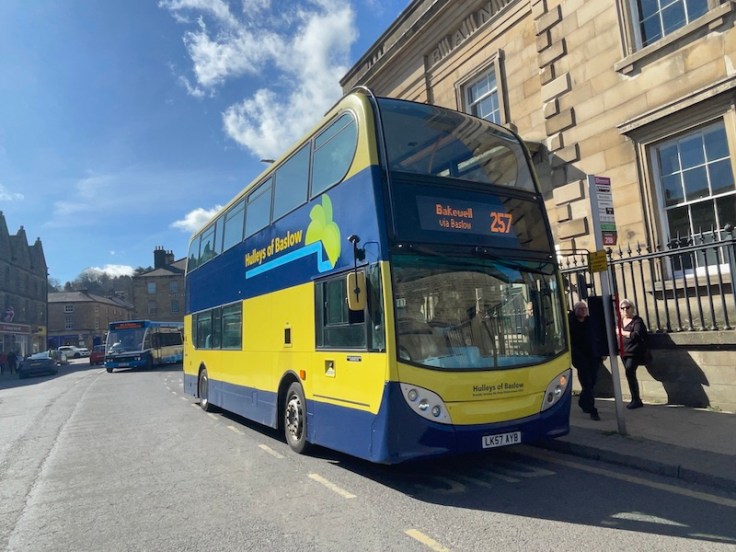
7 What connects: Hulleys; Kent Country; Lonsdale Buses; Leighlink
8 What’s the odd one out: Stagecoach route 92 in Whitfield, Kent; Arriva route 211 in Speke, Merseyside; Go-Bus route GC1 in Ebbsfleet, Kent; Centrebus route R2 in Rutland
9. What comes next in the sequence: Azuma, Arterio; Evero ….
10. What’s the odd one out: Avanti West Coast’s 07:00 Manchester Piccadilly to Euston; the departure boards at Euston station; LNER’s Simpler Fares “industry-leading initiative”; TfL route 375 being curtailed at Chase Cross instead of terminating in Romford.
And now for the Review…..
Future transport historians will no doubt characterise 2025 by a number of public transport milestones, not least the Bus Services Act becoming law at the end of October and just over a week later the Railways Bill arriving in Parliament paving the way for Great British Railways while this week has seen the Bus Services (Wales) Bill passed by the Welsh Government paving the way for bus reform in Wales.
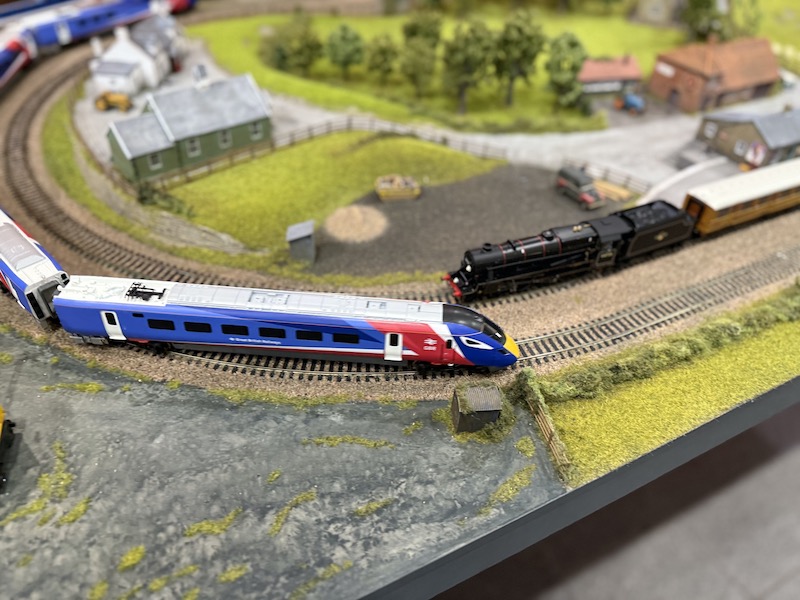
As the Railways Bill is poured over in Parliament the launch of an apparent “first draft” GBR livery on a Hornby model train at London Bridge a couple of weeks ago reaffirmed franchising is very much now dead on the tracks, except of course in various places not least London, where First Group has just been awarded a contract to run London Overground for TfL from next summer (ousting Arriva), and of course there’s growing excitement for bus franchising in Mayoral Combined Authorities with Merseyside, West Yorkshire and South Yorkshire following Greater Manchester’s lead with Tyne & Wear and West Midlands also eyeing up the prize of public control. Franchising is alive and well.

Talking of public control, the year saw South Western Railways, c2c and Greater Anglia pass to Government ownership through an expanded DfT Operator Ltd (formerly DfT Operator of Last Resort) while two “elephants in the room” continue to be the future of HS2 other than as an Acton to Aston shuttle service and whatever Northern Powerhouse Rail is meant to be these days with no pronouncements from the current Government on either, despite anguish from northern Metro Mayors and Euston continuing its role as the country’s largest building site for no current purpose.
Other key strategic developments in 2025 saw England’s £2 bus fare cap increase to £3 in January, initially to last “through to the end of December 2025” but now set in stone until March 2027 while last month’s Budget unusually confirmed regulated rail fares will be frozen in March 2026, but not unregulated fares such as Anytime and Advanced tickets which can presumably be rebranded AnyPrice tickets. Other welcome financial news said to make 2025 a “breakthrough and landmark year” for the bus industry was DfT’s recent announcement of a multi year (three) financial commitment of £2.26 billion funding to local authorities in England to spend as they wish on support for local bus services.
Buying, Selling and Merging
News from the Corporate Bus Business World over the last 12 months has included Transdev taking over bus routes previously operated by Sutton-on-the Forest based Reliance Motor Services after that long established and much respected company gave up running local bus services; Highland Council buying out D&E Coaches in Inverness; and in Sevenoaks, last year’s takeover of Go-Coach by Derbyshire based Hulleys being reversed just in the nick of time in January, less than three months before Hulley’s went bust in March, as did Felixstowe Travel, while at the end of August, Filers Travel ceased running buses in north Devon as did Cumbria Classic Coaches in September and CT4N entered Administration in November.
National Express sold its National Express Travel Solutions owned coach companies (Lucketts, Worthing Coaches, Clarkes of London and KIngs Ferry) to the Coach Travel Group while Kelsian Group owned Tower Transit bought out Huyton Travel on Merseyside (no prizes for guessing why) in February and South Wales Transport (same reason) in November while McGills bought Prentice Westwood of Livingston in July and First Bus owned Ensign bought Keane Travel of Orsett in September.
Talking of Tower Transit, the company lost the contract to run Guernsey’s buses with Stagecoach beginning a new chapter on the Island while back on the mainland Stagecoach merged its West Scotland and East Scotland operations to form a new combined South Scotland business in November and earlier this month did the same with Merseyside and Greater Manchester.
First Bus returned to London with its takeover of RATP’s operations achieving legal completion in February followed by the acquisition of RATP’s sightseeing businesses in the UK earlier this month (in London and Bath) as well as a continuing dabble in the coach hire sector with the purchase of Matthews Coaches of Dundalk back in February. Not to be outdone Go-Ahead bought out Pearces Coaches of Oxfordshire in March, Morse Coaches of North Yorkshire in November, dipped its toe in the West Yorkshire bus market winning tendered route 571 (between Halifax and Shelf) in February before taking on Transdev’s former route X98/X99 between Leeds and Wetherby at the end of August. It also reorganised and renamed its East Anglian companies, Chambers and Heddingham to Konectbus Essex and Suffolk in June only to sell the whole caboodle less than three months later in September, to Transport Made Simple. Meanwhile down in Cornwall, First Bus blinked first after September’s competitive onslaught from Go Cornwall and announced in November a complete exit from the county by next February.
More Spats
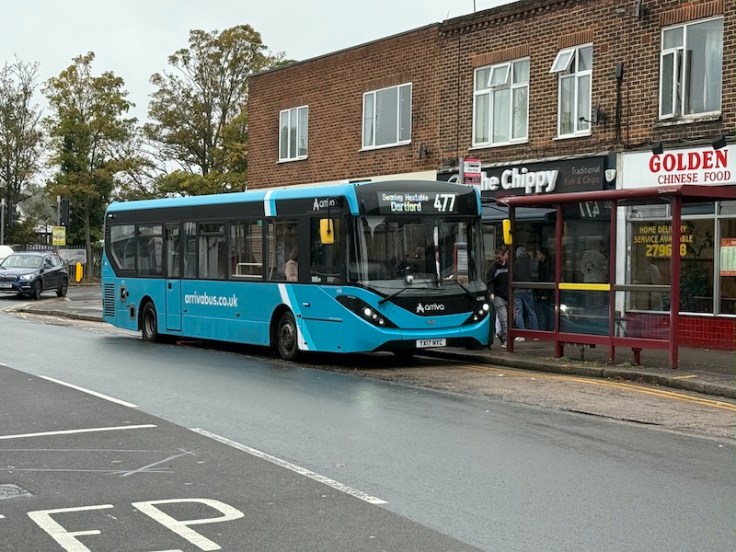
Other spats during the year included Go-Coach Hire using its new ‘go-bus’ name to compete against Arriva’s hourly route 477 between Dartford, Swanley and Orpington by introducing new half hourly journeys as far south as Swanley leading to Arriva immediately throwing in the towel only for Go-Ahead to pick it up and introduce another new name, ‘Kent Country’, as it took over Arriva’s operation, but good sense prevailed between the two ‘Go’ companies with a sensibly spaced timetable and mutual ticket acceptance from October.
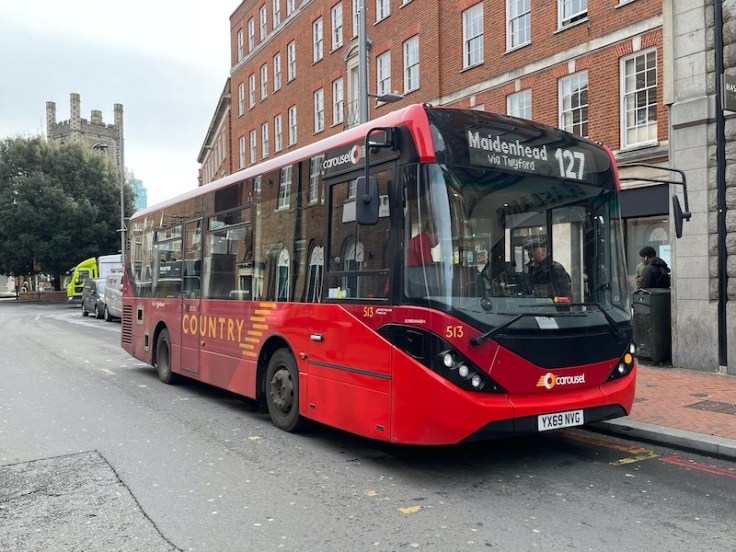
Meanwhile over in the former county councils known as Berkshire and Buckinghamshire treading on toes between Go-Ahead owned Carousel Buses and Reading Buses (along with its subsidiary Thames Valley) has seen new routes and duplication in the Maidenhead, High Wycombe, Twyford and Reading corridors while up in Scarborough, in October, Viscount Travel began competitive route X28 to Pickering pitched against East Yorkshire’s long standing route 128 with the latter responding with a new X3 to Pickering and over in Lancashire, Kirkby Lonsdale Coach Hire used a new name of ‘Lonsdale Buses’ to run competitive route 85 timed in front of Stagecoach’s route 5 between Carnforth and Morecambe.

Last year’s X38 spat between Arriva and trentbarton between Derby and Burton-on-Trent eased back a little this year with Arriva reducing its journeys from every 20 minutes to half hourly with trentbarton continuing every 15 minutes while in Aylesbury, Red Rose began running a duplicate route K2 version of Z&S Transport’s route K1 to Kingsbrook Estate/Armstrong Fields in July.
New bus routes launched
Aside from those competitive initiatives, it was encouraging to see more new bus routes hit the road during 2025 and not all as a result of Bus Service Improvement Plan (BSIP) funding, either.

Significant commercial developments included Arriva’s new Loop branded route carving out a loop to link up much of the southern part of Milton Keynes; up in Glasgow JMB Travel began its new X1 between Hamilton and the city (a route ditched by First Bus some time ago); Carousel began route 127 between Maidenhead and Reading while Reading Buses started route 12 between Twyford and Reading and (as Thames Valley) route 20 between Maidenhead and High Wycombe in November as well as new route 704 between Maidenhead and Heathrow Terminal 5 back in June. In response First Bus withdrew its longstanding link between Maidenhead and Slough just this last weekend.
Over in North Wales, Arriva launched a new summer Cymru Coastliner CC12 providing a quicker link between Rhyl and Llandudno complementing its long established route 12 and down in Medway new summer only 192 linked Allhallows with Chatham through the Medway tunnel. Also for the summer, start-up Northstar ran two new routes during the school holiday between the Metro Centre and Chester le Street (X22) and Stanley (X43)
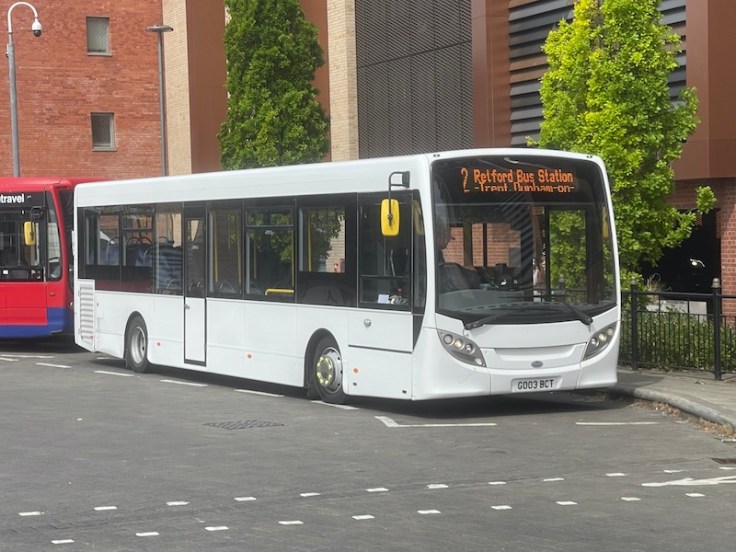
In rural Lincolnshire, Black Cat began new route 2 between Lincoln and Retford in April while in Kent, Metrobus began new route 284 in June linking Tunbridge Wells with Southborough and Pembury hospital treading a little on Arriva’s toes in the process and on the north west fringes of Greater London, Carousel reunited Uxbridge with Amersham with its new direct route 101 and Chesham and Amersham with Beaconsfield and High Wycombe with new route 105.
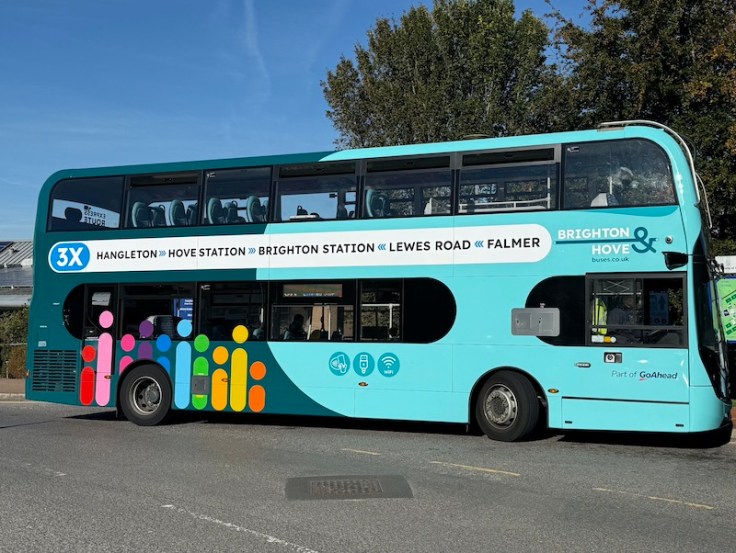
BSIP inspired routes included Brighton & Hove’s cross city 3X joining the successful (and now, “award winning”) 1X introduced last year and in Hertfordshire, uno began an extended and renumbered (to 243) former route 84B which with its new sister route 242 (which uno had taken over from Metroline) gives a half hourly Hatfield to Potters Bar facility with the former continuing to Barnet and the latter to Waltham Cross providing many new cross county connections.
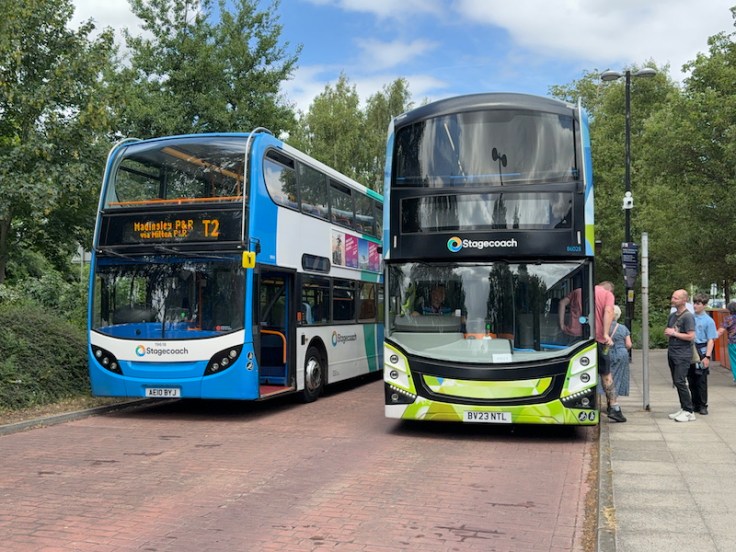
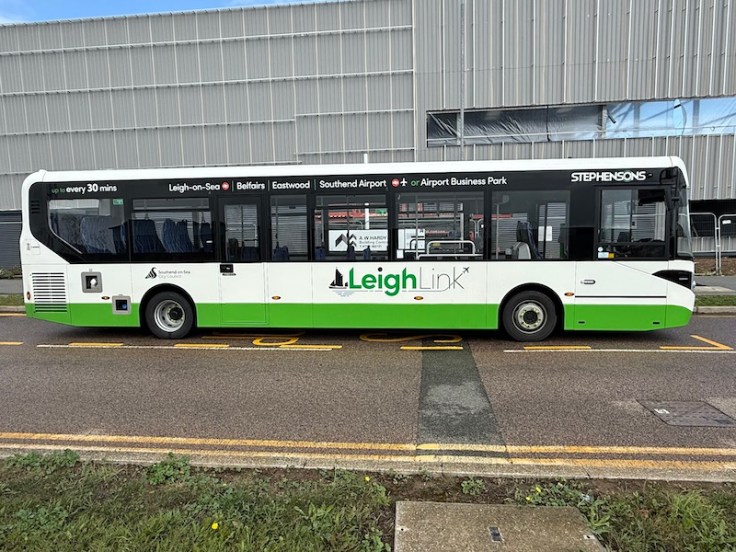
Cambridgeshire and Peterborough Combined Authority introduced a whole series of new T prefixed routes (T1 to T5, T7 and T12) as part of its enhancements to the region’s bus network. Most notable was the T1 providing a new quick link from Huntingdon into Cambridge on part of the Busway and of course not forgetting the T2 linking three of the city’s Park & Ride sites to much derision (from me). Southend-on-Sea re-entered the market of funded bus routes awarding a two year contract to Stephensons to run a new Leighlink branded route 23A/B connecting Leigh-on-Sea with Southend Airport and Business Park
London and Wales
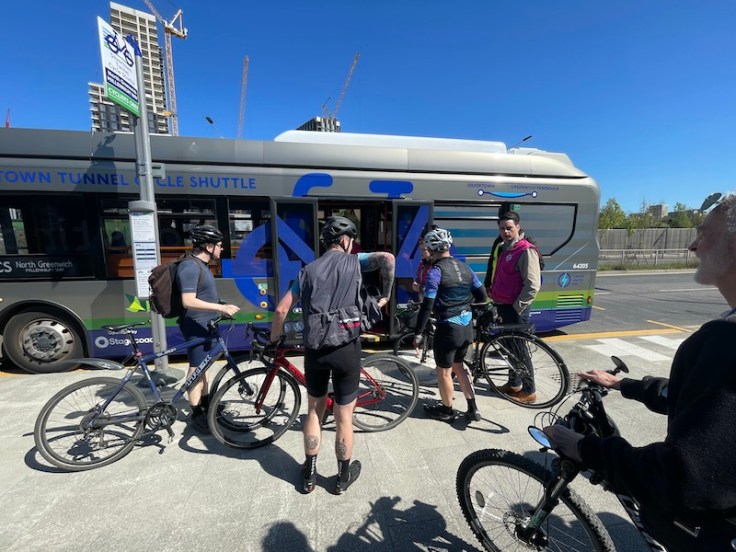
In London TfL began new routes SL4 and SC1 (for cyclists) through the newly opened Silvertown Tunnel in April together with an extended route 129 linking Lewisham and North Greenwich with Beckton and Gallions Reach while Barkerloop BL1 made its debut in September…
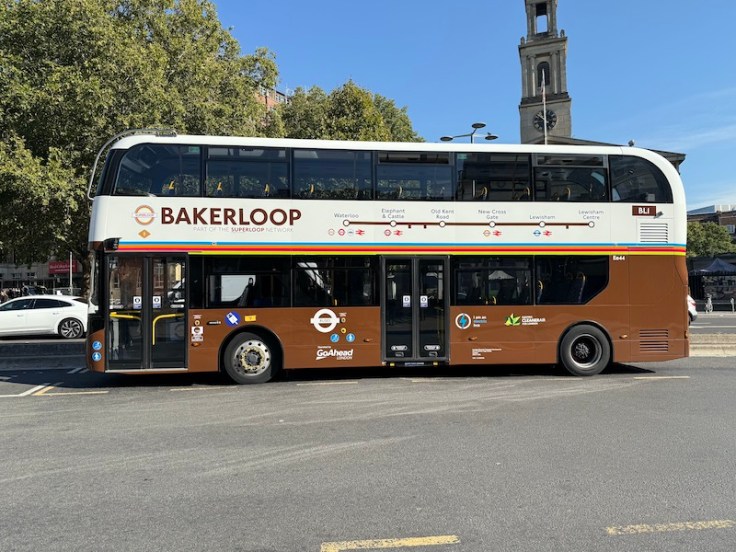
… and route 241 got extended through the Queen Elizabeth Olympic Park and route 315 was extended to serve the new residential area on the former Spingfield Hospital residential development site in Tooting.

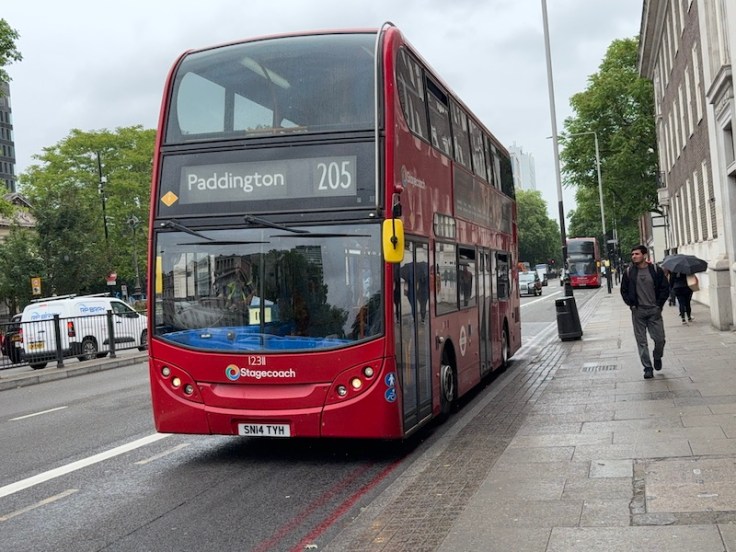
On the debit side more frequency reductions and lost links saw route numbers R6, 118, 283, 347 and 414 all withdrawn with consequential changes to long standing routes 45 and 59 in January and in June modal integration was dealt a blow when route 205, until then serving many main line railway stations, was rerouted to Marble Arch to replace a curtailed route 30 (at Euston) and thereby no longer served Marylebone or Paddington.
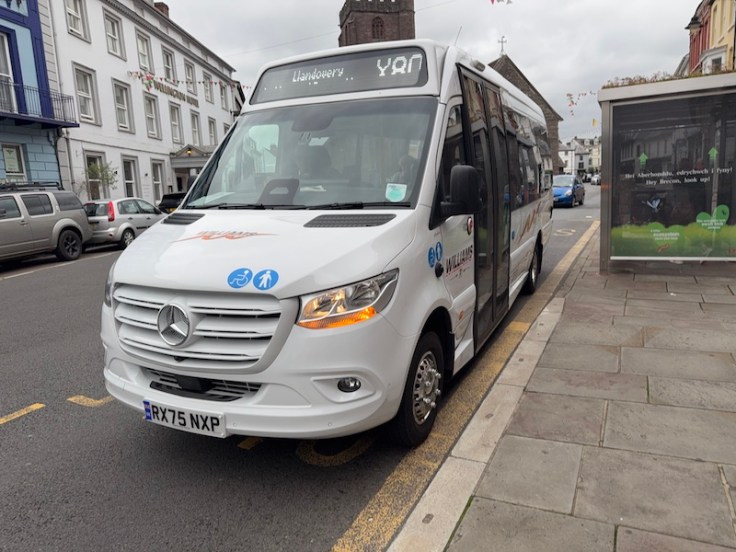
Service changes in Wales were dominated by September’s mash up in Powys when it was goodbye to TrawsCymru branded routes T4, T12 and T14 and hello to replacement routes X4, X44, X76, and X85 along with new route X80 restoring a long lost direct service between Brecon and Llandovery. The changes got off to a difficult start due to a lack of information and publicity. Later in the month the slimmed down TrawsCymru network picked itself up again and added the newly branded T51 (formerly 51/X51) between Rhyl and Wrexham operated by Arriva.
On the tendered bus front back in England notable mini networks changing hands included Leighton Buzzard from Arriva to Centrebus, Brighton and Hove from Big Lemon to Compass Bus while Glen Valley took over the Holy Island 477 tidal bus route from Borders Buses.

Other funded service enhancements saw First Bus begin new route X6 between Sheffield and Rotherham while in the Lake District a new seasonal route 517 linked Ambleside with Little Langdale while notable service withdrawals included Arriva’s route X5 between Hemel Hempstead and Aylesbury (replaced by Red Eagle’s 500) and its route 133 between Braintree and Stansted Airport (replaced by Central Connect).

DRT comings and goings

It was a quieter year for DRT developments although both Arriva’s two remaining Click operations were withdrawn. The one in Ebbsfleet was taken over by go-bus’s GC1 on a part fixed timetable and part flexi off-peak operation and in Speke on Merseyside the operation reverted back to fixed timetable route 211, as it was before becoming DRT back in 2019. A similar fate befell the Stagecoach Connect operation in Whitfield, Kent reverting back to fixed timetable route 92.
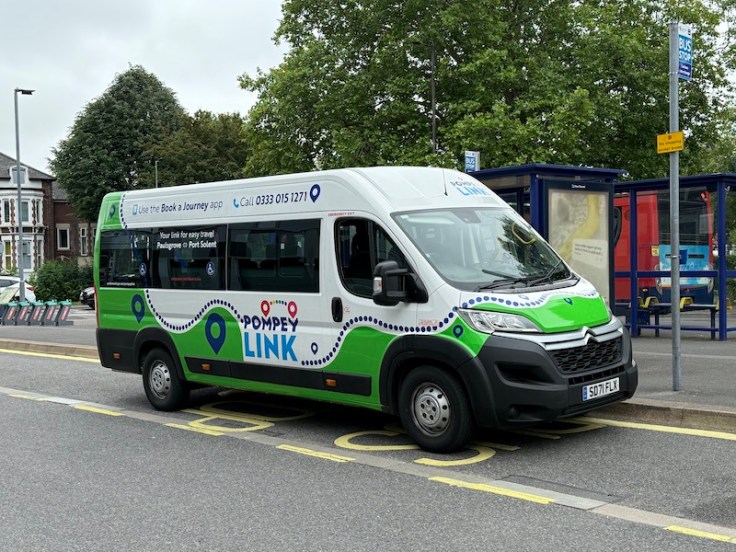
However, elsewhere money continued to be showered on continued expansion of existing schemes including Tiger in Cambridgeshire, Wiltshire Connect, Surrey Connect and Leicestershire’s FoxConnect while in Rutland the Council fully embraced DRT bringing in three Call Connect branded zones across the county in March and August leaving just three fixed timetabled routes: R1, R5 and R9. Hampshire County Council withdrew all its taxibus type operations but introduced a new DRT in Andover in March. In January Telford & Wrekin Council began TravelTelford On Demand linking Telford with Ironbridge and Madeley and in May, Portsmouth City Council began Pompey Link in the Paulsgrove and Port Solent areas.
Express expansion
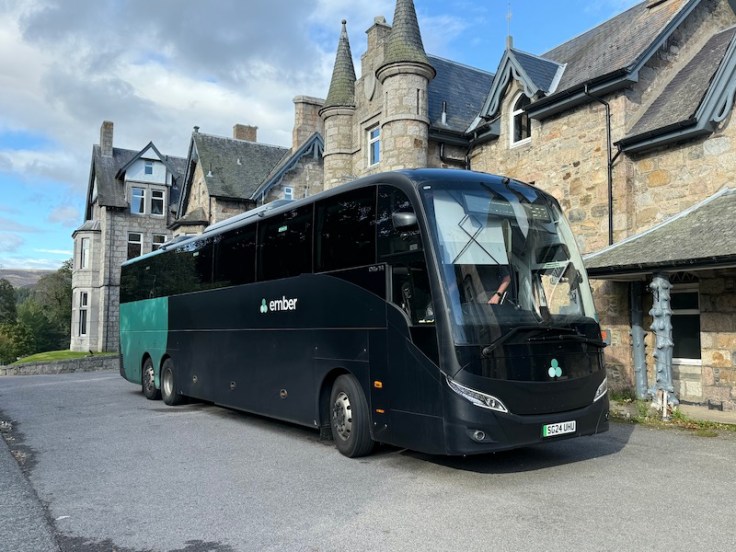
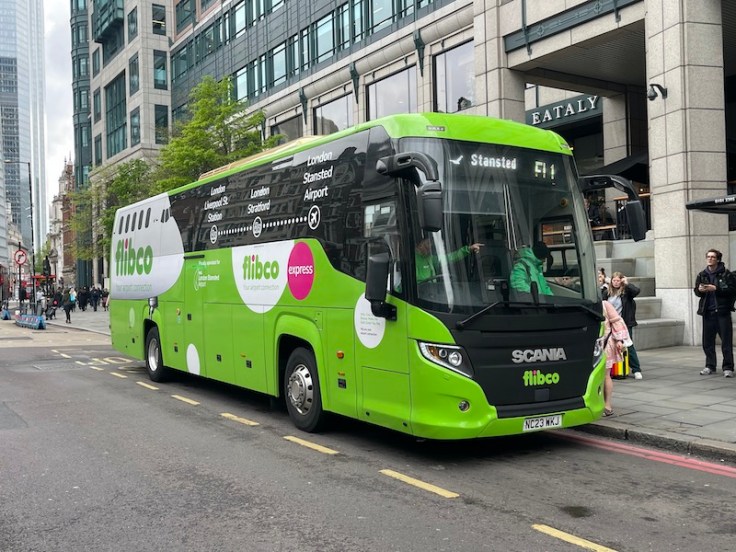
Other 2025 style expansion saw coach companies ember and Flixbus continue to grow their networks – the former reached Fort William and Thurso/Wick as well as new routes between Dundee and both Glasgow and Edinburgh, and the latter continued to add towns and cities to its nationwide network including a new Cambridge to Brighton route via Gatwick Airport and Manchester to Glasgow link – while FlibCo arrived on the scene and took over one of the lucrative routes between central London and Stansted AIrport.
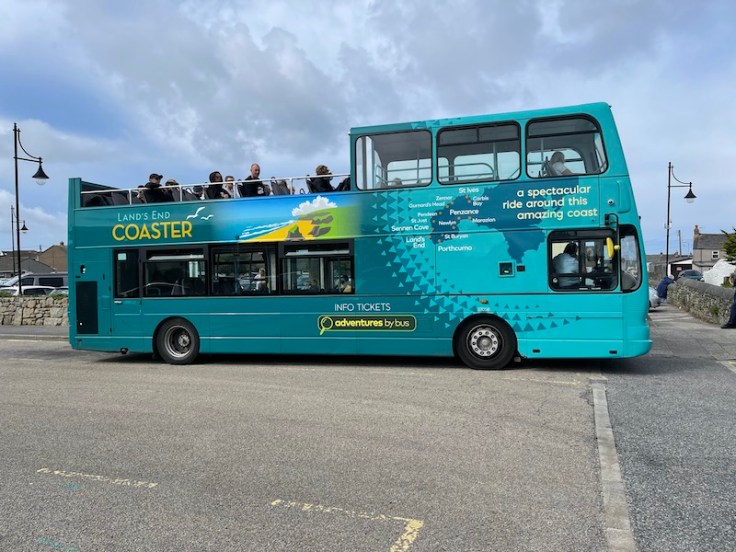
Stagecoach launched a new JET787 between St Andrews and Edinburgh Airport and McGills began a new Aberdeen Adventurer open-top bus tour in partnership with the City Council and Chamber of Commerce in the city. On the debit side McGills owned Midland Bluebird withdrew its Airport Express between Edinburgh Airport and Waverley Bridge in November after just under two years competing with Lothian on this lucrative corridor.

On the tracks
The railway introduced its long awaited revamped timetable on the East Coast Mainline last weekend giving an extra hourly path to LNER for a new quicker journey between King’s Cross and Newcastle along with a complete recast of other journeys it runs as well as those by TransPennine Express, Northern, Cross Country and Lumo. The latter now reaching Glasgow by a few newly extended journeys from King’s Cross to Edinburgh while Northern is shortly adding a new hourly Sheffield to Leeds quicker journey and TfW has increased the Chester to Wrexham frequency to two an hour.
Last weekend also nearly saw the withdrawal of the 07:00 Manchester to Euston train from the public timetable even though the train was going to run with just staff on board until the Office of Rail and Road (ORR) saw sense and changed its mind after much public ridicule. Other journey withdrawals impacting Blackpool, Holyhead and Chester did go ahead.
There was much activity with Open Access applications during the year but most were turned down by the ORR with capacity constraints increasingly becoming a limiting factor on the tracks.
In May MTR made way for GTS Rail Operations Ltd (a joint venture between Go-Ahead and Tokyo Metro and Sunitomo Coporation) to run the Elizabeth line while TfW announced it was renaming the Borderlands line to the Wrexham and Liverpool line even though it doesn’t yet reach Liverpool.
Nine day blockades for engineering and signal work took place on the Tunbridge Wells to Hastings, Petersfield to Portsmouth and East Suffolk (Ipswich to Halesworth) lines in October while the Cumbrian Coast line continues to be severed between Whitehaven amd Corkickle due to flooding problems in the Bransty Tunnel. At the other extreme dry weather led to problems on the West of England line in the summer with unstable embankments leading to a reduced two-hourly service due to trains having to run at reduce speed. Normal service was resumed at the end of November.
The Island line once again suffered from intermittent closures for weeks of either the entire line or north from Ryde, St Johns Road. Hopefully 2026 might get to see a full 12 months of uninterrupted operation on this beleaguered line.
New infrastructure
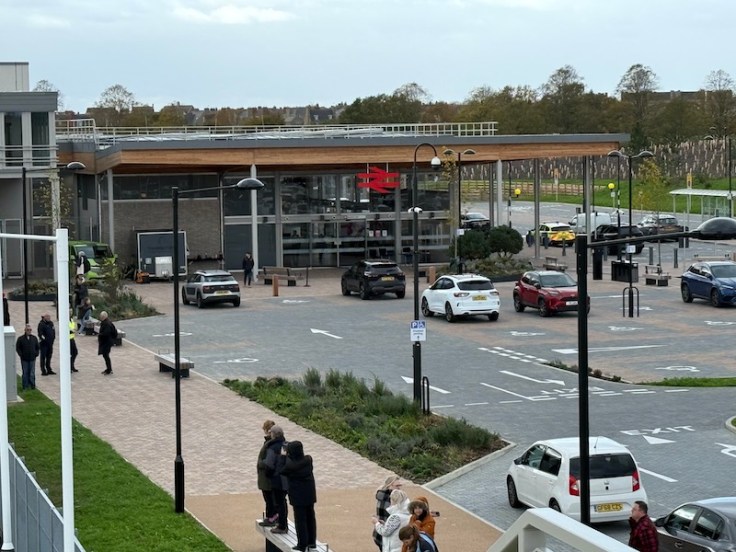
New infrastructure opening in 2025 included two new railway stations on the Northumberland Line at Newsham (in March) and Blyth Bebside (in October) with the large Beaulieu Park near Chelmsford joining the network in November. The long awaited and much delayed “Transport Hub” finally opened in Porth in February with the new “boulevard style bus station” in Fleming Way, Swindon opening in October and a new “linear bus station” under construction in Folkestone and a “transport interchange” nearing completion in York while Halton Lea North bus station on the Runcorn Busway closed for refurbishment.
Ynyswen station near Treherbert reopened this month with a new second platform and footbridge with lifts after a protracted closure since 2023 while in London, Knightsbridge Underground station gained step free access in April, Battersea Power Station gained a new step-free entrance in October and Cutty Sark DLR station closed in May for four new escalators to be fitted.
Other infrastructure developments saw King Charles officially open the new Taffs Wells tram-trains depot (albeit it’s not operationally open yet), electric trains running to East Kilbride, Bradford Forster Square gain a new Platform 0, Huddersfield station closed during September while Deighton station also closed that month but for two years, both for remodelling and reconstruction as part of the continuing Transpennine Route Upgrade project.
Also in London, the Moorgate branch of the Northern City Line saw the European Train Control System (ETCS) become fully functional south of Finsbury Park with the last of the old track side signals removed in May.
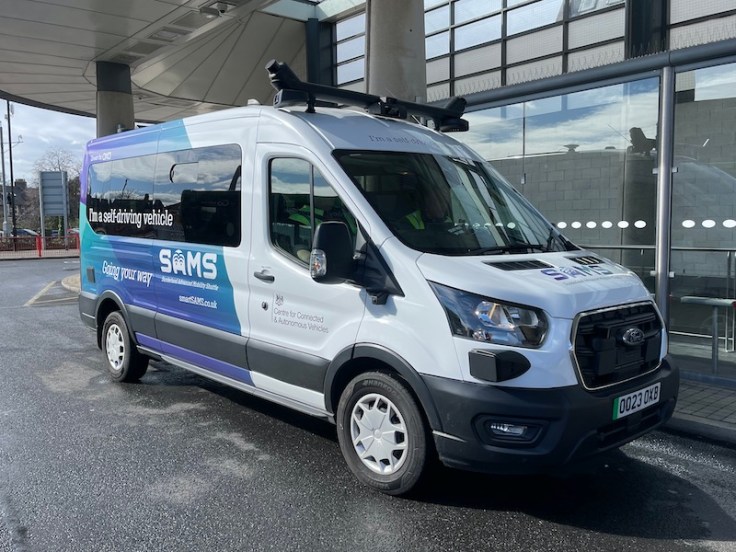
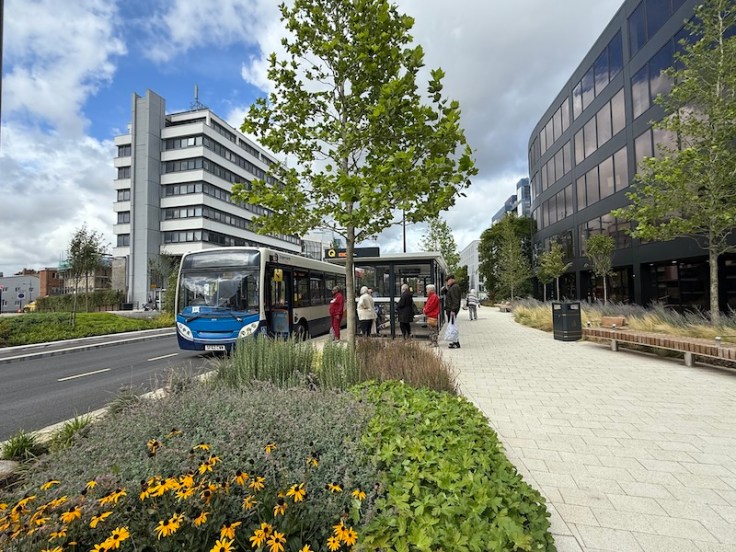
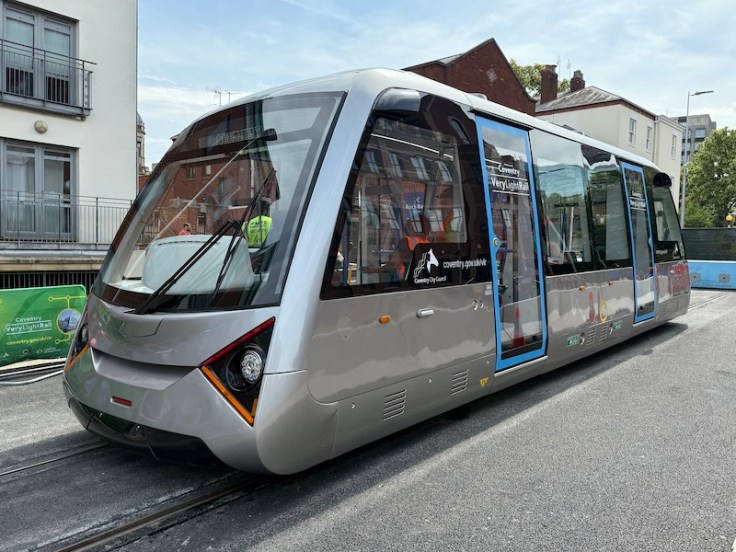
Trials of autonomous bus operations continued in Sunderland (during March) as well as Belfast and Cambridge but ended across the Forth Bridge in Scotland when Stagecoach withdrew its route AB1. The Coventry Very Light Rail project saw a trial in the city during the summer.
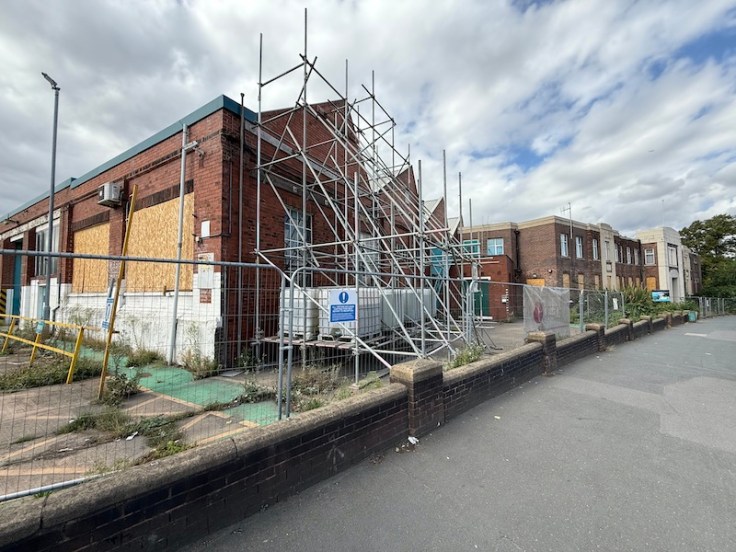
Old news about old infrastructure included the reopening in January of Bradford Interchange after last year’s closure due to structural defects while part of the site of Arriva’s Belle Isle bus garage in Wakefield reopened after a similar shut down.
New trains and buses
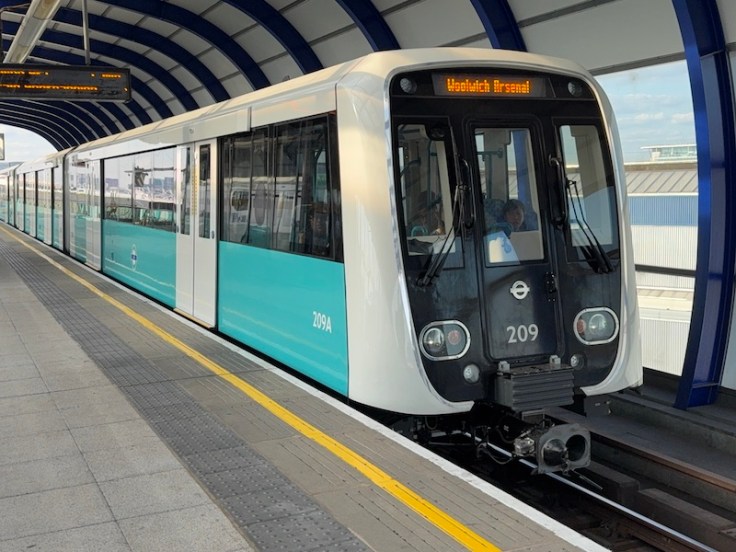
The Newcastle Metro welcomed its first Class 555s into service as did London’s DLR its Class B23 trains albeit both were then withdrawn for further checks following issues with brakes and doors.
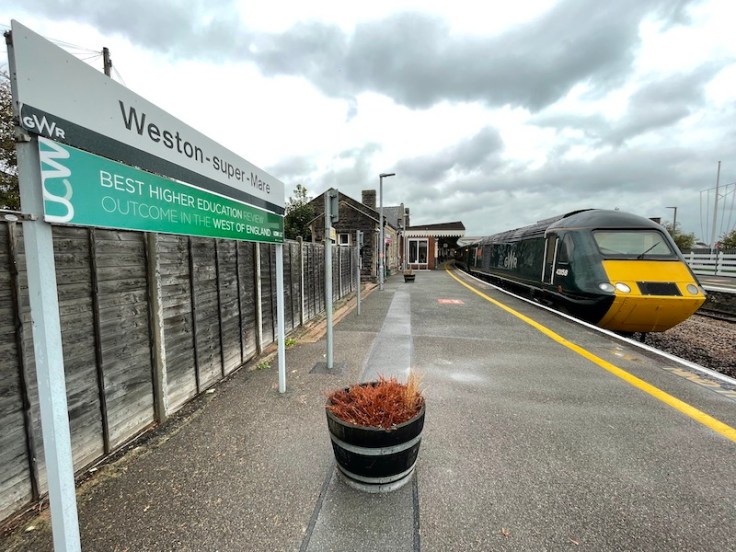
London Northwestern introduced more of its class 730 trains, as did South Western Railways its much delayed Class 701 Arterios, and after a three year delay East Midlands Railways finally got the first of its Hitachi Class 810 Aurora trains into service earlier this month. At the other end of train life expectancy, SWR withdrew its last remaining Class 455s and GWR did the same with its ‘Castle’ HST sets with the company giving a new lease of life to former TfW Class 175s which began their new life with GWR this month.
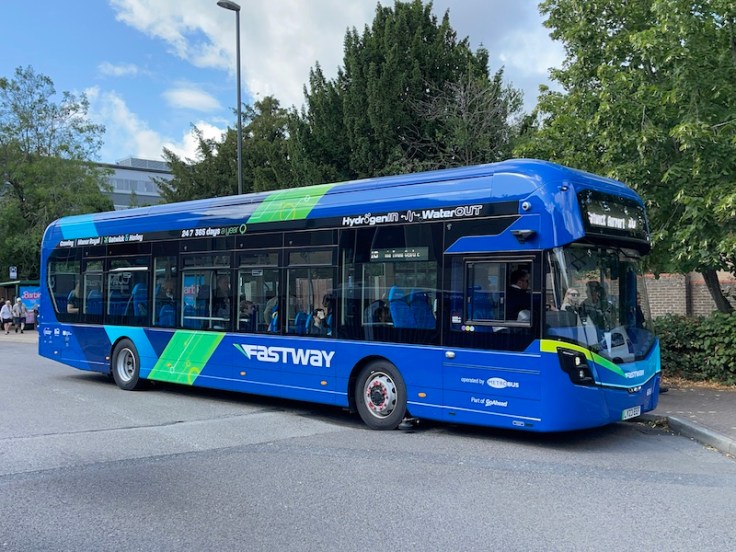
On the new bus front more electric buses hit the road but with many still delayed awaiting infrastructure installation and the first of the new ADL Enviro 100 model began appearing in fleets and the Irizar ieTram finally arrived into service on Fastrack route A with route B destined to follow next year now planning permission has been granted for recharging pantographs at the Dartford terminus.

Meanwhile, earlier this month, Metrobus withdrew all its 43 single deck hyrdrogen powered buses following a vehicle catching fire in Crawley.
Comings and goings
People on the move to managing director and senior executive roles included Gianfranco Sgro as the new CEO at Arriva Group with Martijn Gilbert returning from rail to take over the reins as MD Arriva UK buses; Andy Edwards stepped up to become MD at Go-Ahead London; Kevin Gale became CEO National Express UK and Germany with Anthony Goozee MD of National Express West Midlands and Jainer Martinez Prieto at National Express Coaches; Ed Wills is moving across to Go South Coast as MD from 1st January with Rupert Cox becoming Interim MD at Brighton & Hove (from East Anglia) while Sarah Boyd took on Lothian’s trams in addition to its buses as CEO at Lothian and Fiona Docherty added East Scotland to her Stagecoach West Scotland responsibilities in a newly formed Stagecoach South Scotland as does Rob Jones adding Merseyside to Greater Manchester.
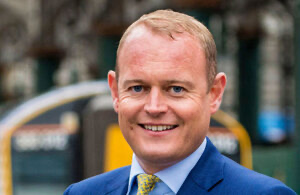
On rail, Lawrence Bowman became a track and train integrated MD at South Western Railway, Steve White expanded his responsibilities at Southeastern to include track as well as trains while Stuart Jones took over First Rail Open Access with Fran Barrett began looking after London Tram Operations and the Cablecar; Shiona Rolfe took over the MD role at Cross Country while big cheeses arriving included Jeremy Westlake as the new CEO at Network Rail, Alex Hynes (pictured above) becomes CEO of DfT Operations and Jamie Burles is the new Integrated MD for the Anglia Region (Greater Anglia, c2c and Network Rail Anglia).
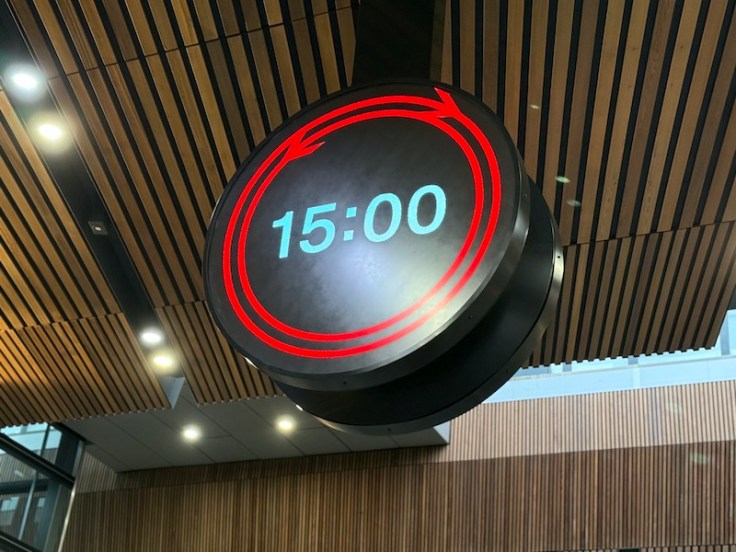
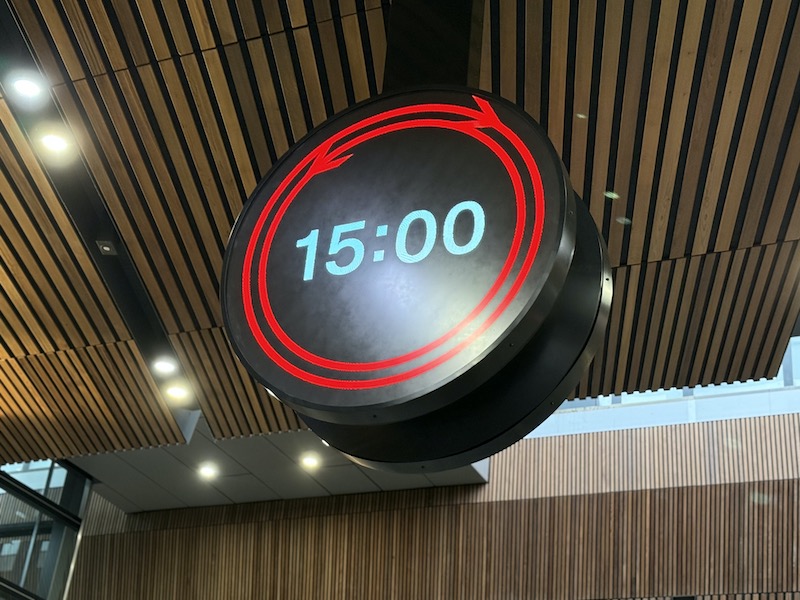
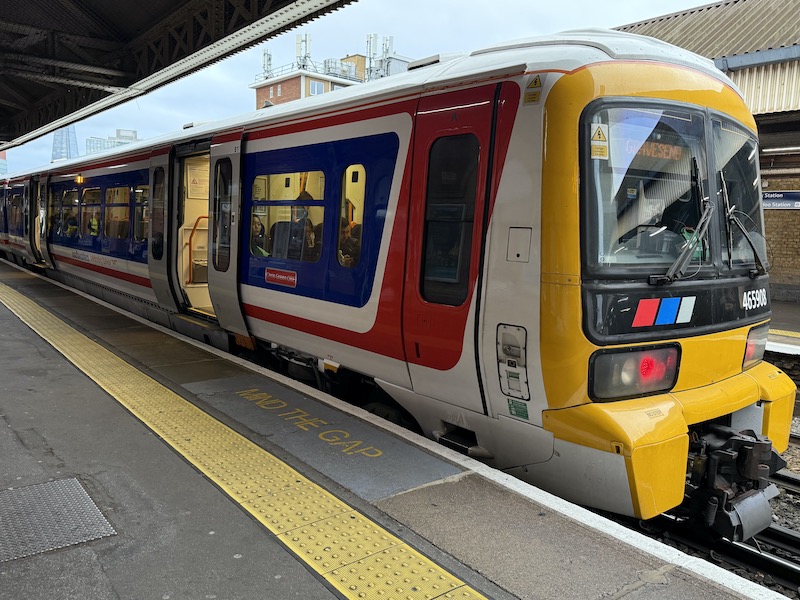
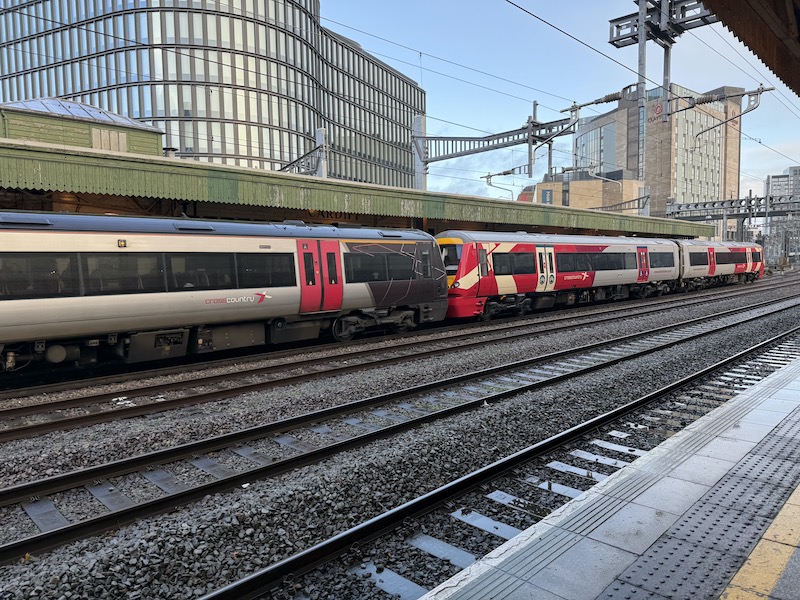
Other Hellos and Welcome in the year included a £1 fare (£3 a day) for tots to teens (with 16-21 year olds needing a ‘mytravelpass’) across all buses in Wales; a Temporary Congestion Charge in Oxford; a newly designed digital clock at London Bridge followed by other locations across the network; new headrests for LNER’s first class Azuma seats that don’t fall off when you rest your head on them; a new “we’ve got you” slogan from Stagecoach along with another new national livery roll out; a new name for Manchester Metrolink’s Barton Dock tram stop, now called Trafford Palazzo (!); Altnebrac station reopened in April after its enforced closure for legal reasons and Southeastern’s Networker 465908 sported the original Network South East livery (pictured in pride of place at the top of this blog) and named in honour of Chris Green, while Cross Country Trubostar 170101 launched a new livery for that company just ahead of the GBR launch, (odd timing has always been a thing with Cross Country).
And, of course, not forgetting the notable 200th anniversary of the passenger railway being duly marked by the Greatest Gathering of trains in Derby in August, a weekend of commemoration between Stockton and Darlington in September, a touring exhibition train as well as fascinating walking tours of three mainline London termini (London Bridge, Victoria and Waterloo) and lots of pennants and flags at stations across the network.

Meanwhile, a few Farewell and Goodbyes in the year included the saddest of them all, the tragic loss of Andrew Wickham at Go South Coast through his untimely death at such a young age in May. Seven months on the pain of his loss is still raw with Andrew so deeply missed by all who knew him.

Others leaving their senior roles during the year included Matt Davies (Stagecoach Merseyside) and Douglas Robertson (Stagecoach East Scotland) with Tom Joyner completing his Interim MD role at Go-Ahead London and Rupert Cox leaving Go-Ahead East Anglia on its sale to Transport Made SImple and popping up in Brighton. Martin Beable moved from MD of Greater Anglia to become New Trains and Fleet Director for Transport UK and Andrew Haines retired as CEO of Network Rail as did Robin Gisby from DfTO.
Bigwigs leaving their posts included Ignacio Garat CEO Mobico (“the right time for a change in leadership”); Alex Jensen CEO National Express and Miguel Parras CEO Go-Ahead Group after only 20 months so he can “pursue other opportunities“.
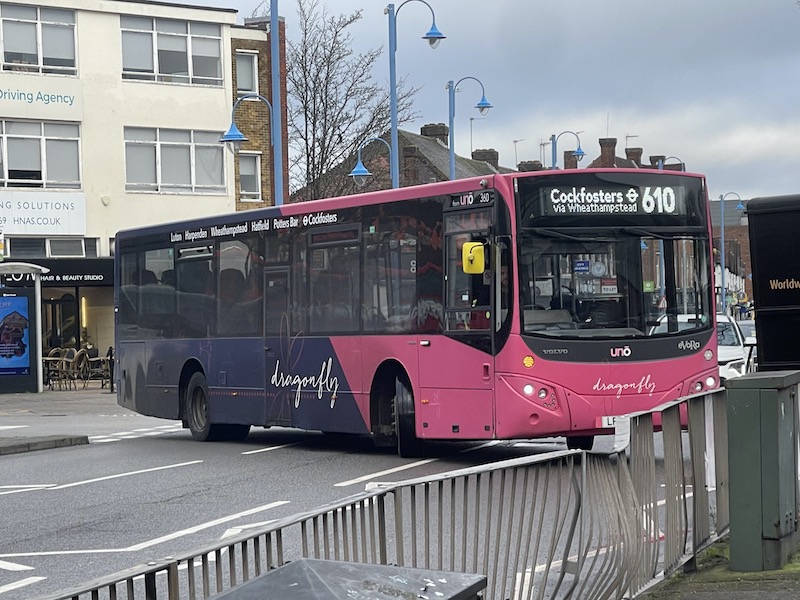
Other goodbyes during the year included peak rail fares in Scotland, the Magic Bus brand from Greater Manchester, uno serving Cockfosters, the once a day Cross Country operated through rail journey from Aberdeen to Penzance, Stagecoach’s network of bus routes in Dumfries and Galloway…
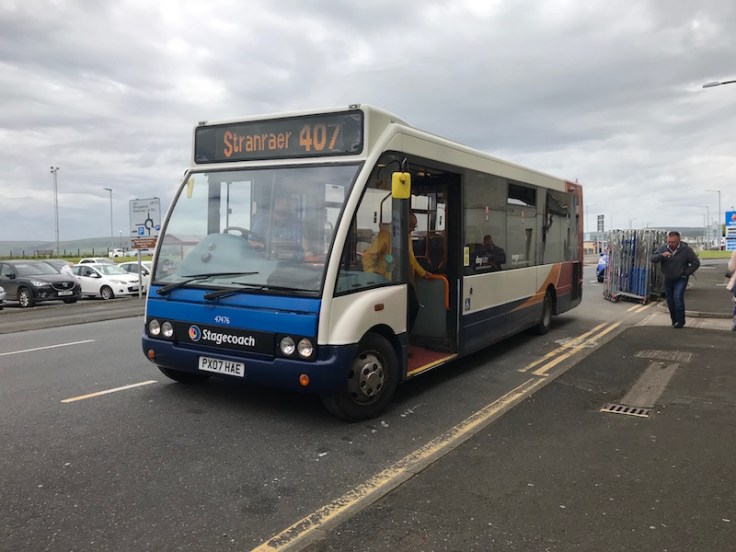
…cash handling on Stagecoach routes D4, D5 and D6 in Daventry and open top buses in Cornwall.
It’s been another busy year.
Numbers of the Year
1% increase in bus passenger journeys in 2024/25 over 2023/24 in Britain.
1% decrease in bus passenger journeys in 2024/25 over 2023/24 in London.
3 minutes – a new arrangement introduced in 2025 being the time before a train leaves King’s Cross that it’s removed from the departure board.
4.6% increase in regulated rail fares in March.
7 coaches, reduced from the former 9 coaches, for LNER’s remaining Mark 4 sets (so they can go as fast as Azumas).
9.17 mph average bus speed in London in 2024/25.
18 years of age the new lower minimum age to become a train driver.
25 year anniversary for TfL, Hull Trains and Carousel Buses (and the London Eye).
30 mph the new speed limit on the Cambridgeshire Busway….only to now just be reduced to a ridiculous 20mph.
99% satisfaction at High Peak, according to Transport Focus ‘Your Bus Journey Passenger Satisfaction’.
£125 for the dubious pleasure of sitting in the cab of an Underground train in the overrun at the disused Charing Cross Jubilee line platform for a minute as part of a Hidden London special.
200 years of passenger train operations in Britain.
200 coaches operated on the FlixBus network in Britain.
200 (or is it 300?) DfT staff transferring to Great British Railways via DfT Operator Ltd.
£650 per passenger cost of the Ynyswen Rail Replacement bus.
£1,500 per day lane rental proposed charge to contractors digging up Greater Manchester roads.
£13,515 cost of dressing one bus in Bakerloop branding for the Mayor’s pre-launch PR stunt.
£830,000 compensation paid by Network Rail to businesses impacted by the Botley Road closure in Oxford.
£145,000,000 cost of funding regulated rail fares bring frozen in 2026/27.
£216,000,000 cost declared for constructing the 1km bat shed and its associated civil works in Buckinghamshire for HS2.
£220,500,000 for 10 additional nine car Class 345 trains for the Elizabeth line now under construction.
£240,000,000 funding for Bus Service Operators Grant (BSOG) in England.
£300,000,000 cost of transforming to bus franchising in Wales.
£900,000,000 net operating loss for TfL buses in 2024/25 (revenue £1,565,000,000 and costs £2,454,000,000).
£2,260,000,000 funding announced for Local Authority Bus Grants across England lasting three years from 2026/27-2028/29.
Quiz answers:
1: All four are bus route numbers withdrawn by TfL; 2: All were introduced in 2025 and then withdrawn due to safety and other issues; 3: Greater Anglia comes next (the order of train companies being nationalised); 4: East Anglia where Go-Ahead sold out but took over in the other three cases; 5: All new railway stations with a postponed opening into at least 2026; 6: Ray Stenning celebrated his 75th birthday while the others marked their 25 year anniversary; 7: All new brand names to be found on the sides of buses in 2025; 8: Centrebus R2 in Rutland was converted to DRT and the other three reverted back from DRT to fixed timetable and route; 9: Aurora comes next (names of new trains introduced on the network); 10: LNER’s Simpler Fares “industry-leading initiative” was expanded during the year whereas the other initiatives were withdrawn after a public outcry and a dose of humble pie was eaten.
How did you do? Hopefully 10 out of 10 and a Gold Star.
Finally, don’t miss the BusAndTrainUser Awards 2025. The ceremony begins on Tuesday at 06:00.
Roger French
 BusAndTrainUser
Good morning Roger,
With regard to the HS2 shuttle mention, l assume you mean Aston instead of Ashton ?
Looking forward to your blogs in 2026.
AndrewSutherland
LikeLiked by 1 person
I did indeed; thanks for spotting that. Now corrected.
LikeLike
Roger
Thank you for an excellent year of invaluable news, information and updates its very much appreciated.
May I take this opportunity to wish yourself & every one ; if you are celebrating; a very Happy Christmas & Prosperous New Year.
Oh & final piece of news in 2025 Rotala celebrated its 20th Anniversary ; I may have mentioned Diamond Bus previously on your excellent blog; & it appeared that the up for sale National Express West Midlands paid tribute to this with an E200 painted in what looked like a heritage Birmingham Coach Company livery operating around Merry Hill – it was still on 2/15 yesterday!
Cheers Roger for 2025, your blog is Simply The Best……..
LikeLiked by 1 person
Thanks very much Richard and Merry Christmas and a Happy New Year to you too.
LikeLike
Wow, you’re still going with that rubbish despite being corrected hundreds of times and it still having the remnants of its original branding for which the paint was from years earlier? Hahaha
LikeLike
It was on the NXWM 19 from Dudley to Queen Elizabeth Hospital Edgbaston today which will be actually be taken over by Diamond Bus on 4th January Interestingly.
LikeLike
that’s a yes then!
LikeLike
Rather a common theme here within all the major bus groups, and indeed many of the smaller Players, that in spite of the threat of possibly losing a large chunk of their business to “taking back control” Mayors (thank you Cameron and Osbourne for leaving a poisoned chalice), they continue to try to keep the show on the road. The exception being Arriva, who roll over at the mere threat of competition and abandon instantly in most cases. It all started many years ago in Crawley…….look what Metrobus achieved there and long before Go-Ahead took a hand.
I had to re-read the ridiculous £figure spent on re-painting a single TfL BL1 bus! No further comment necessary! Small wonder the losses operating buses now with the ridiculous “freezing” of fares at £1.75, which at the very least should be £2 and a simple £5 “cap”. Together with the total abandonment of revenue protection, allowing those with zero bank accounts and many Zip-less youngsters to ride at will, it is small wonder. Not a journey passes without seeing one or both.
Terence Uden
LikeLike
The BL1 bus was vinyled, not painted, and the seats were also retrimmed, at least on the lower deck. It was then returned to standard livery following the promotion. Hants and Dorset Trim charging £13k for all that seems perfectly reasonable to me, unless you know better.
LikeLike
@Terence Uden – a minor correction if I may. Metrobus was already owned by Go-Ahead when it took over from Arriva in Crawley. The Crawley takeover happened in Spring 2001, Metrobus had been bought by Go-Ahead in autumn 1999 (although I think it was still being run by Peter Larking and Gary Wood in 2001, if no longer owned by them).
Malc M
LikeLike
It was indeed still being run by those two gentlemen, but it was them who took the initiative to replace Arriva.
LikeLike
I wish Arriva would abandon Lea Valley, always so frustrating waiting for them after being on TFL. Feels like only Central Connect bothers to try and be reliable in either Cheshunt or Waltham Abbey but there’s still not enough buses at quieter times.
I’m puzzled how you think increasing a single fare but reducing the day cap (currently £5.25) would help TFL in any way. I don’t think they are doing too badly, farebox recovery for the buses is reportedly 70% (tube is 129%), which many European transport authorities would be very happy with, especially with a lot of passengers getting concessions anyway. I just wish TFL and councils/ counties neighbouring London would work together to improve cross-boundary bus routes, so services don’t drop off so fast outside London. Bus speeds are the other real issue.
Aaron
LikeLike
On the DRT front, it was announced a few days ago that Tees Flex will cease in April 2026.
LikeLike
First off . . . huge thanks from me (and very many others) for your blog . . . it is required reading every Tuesday; Thursday and Saturday mornings. It informs me and suggests many days out; although I’ve yet to manage the North Wales trip!
I’d say, on balance, it was probably a good year for buses and trains . . . although with many “two steps forward, one step back” shuffles. Perhaps we can now finally say “goodbye” to Covid comparisons and simply look forward.
A “Ryhl” and “Notthwestern” for you to look into . . . and I’m not surprised at the £13,515 cost of reliverying a bus for a BakerLoop launch . . . the cost of a full re-vinylation of a decker, including the new seat moquette, and I suspect the cost to GoAhead London of standing a bus down for several days (or even weeks) won’t be cheap. Whether it was worthwhile is irrelevent . . . TfL knows best!
Onward and upward to 2026 . . . please don’t stop!!
LikeLike
Many thanks for your kindness. Ut’s my blogging and travelling pleasure. Merry Christmas to you and thanks for your insightful comments.
LikeLike
Bus demand in London was estimated at 1,842 million journeys, a 1.5 per cent decrease from 2023/24, and continuing the recent declining trend. Bus journeys in 2024/25 were estimated to be 22.8 per cent lower than the high point in 2014/15.
Source Travel in London Report 2025
Merry Xmas
Martin W
LikeLike
Well since 2015 there has been a big increase in hire/public cycles and cycle lanes and post covid a decrease in the route frequencies and chopping of actual useful routes . The Elizabeth Line will have changed patterns along with Docklands extensions.
The every (and seemingly worse) road digging up and narrowing must impact speeds though for 2026 four boroughs have had money for making road changes etc to speed up bus services so perhaps the trend might change.
There may be a swing back in numbers as the users of waterloo station have increased from a low point. But South Eastern have not fully made the Thameside Dartford routings back to the frequencies pre covid which must deter some distance people for coming into London.
Suburban buses at 1pm yesterday were full and standing and leaving people behind at stops which suggests there is scope to carry more passengers (at a cost).
JBC Prestatyn
LikeLike
@JBC Prestatyn – another factor is a change to working habits, particularly after Covid. Increased working from home means fewer people commuting to sit in an office. That will doubtlessly be having an impact on bus networks which carry significant numbers of office commuters. As well as directly impacting demand for buses, it may also be dampening crowding on the Underground which in turn may then mean people switch from bus to tube.
I’m not aware of any DLR extensions since 2014, but the Elizabeth Line (as you identify) will be having an impact; the (fairly short) extension to the Northern Line might also be having some local impact in the Battersea and Nine Elms area.
Malc M
LikeLike
@Martin W – DfT figures also show bus demand in London having fallen, by around 23% over the last decade. That said, demand across the country as a whole is down. Over the same time period:
Great Britain as a whole (including London) – down 21%
Great Britain as a whole (excluding London) – down 19%
England excluding London – down 19%
English metropolitan areas – down 20%
Scotland – down 19%
Wales – down 29%
So, London’s decline is a bit steeper than across England, or Scotland, or the rest of Great Britain, but less steep than in Wales.
However, this is all looking at London’s high point (DfT stats suggest it was a year previously in 2013/14, but let’s not overcomplicate things). Looking at ridership over the last 20 years tells a different story. Here’s the comparison against 2004/05:
Great Britain as a whole (including London) – down 12%
Great Britain as a whole (excluidng London) – down 20%
England excluding London – down 17%
English metropolitan areas – down 26%
Scotland – down 27%
Wales – down 42%
As for London? Up by 1% (broadly back to where it was, in other words)
Looking further into the DfT stats for local authorities in England, 2014/15 and 2024/25 stats are available for almost all (I haven’t found stats for 2004/05). In analysing the stats, I have combined the stats for the two Northamptonshire authorities, as 2014/15 is only available for Northamptonshire as a whole; the other area where I have combined stats is Bournemouth/Christchurch/Poole and Dorset, as that is the only way to get comparable numbers compared to 2014/15. With that, there are stats for 87 local authority areas in England. Looking at how ridership has risen or fallen, London is towards the middle of the table (in 47th place out of 87). Of those 87, only 13 recorded an increase in passenger numbers:
In 1st place, Rutland, with a whopping 231% increase (from 60,000 to 200,000 passengers a year – about as many as London carries in a single hour), followed by Luton, Cornwall, Bristol, Wokingham, South Gloucestershire, Central Bedfordshire, Thurrock and Portsmouth, all with double-digit increases, then Southampton, Bath & NE Somerset, Reading and Slough with increases in single-digit percentages.
There are six local authority areas where the DfT stats show a decline over the last decade of more than 40% – in order, they are Worcestershire (-41%), South Yorkshire (-42%), Cheshire East (-45%), Warwickshire (-46%), Staffordshire (-49%) and at the bottom of the table, North Lincolnshire where usage has fallen by 52% since 2014/15.
For comparison, other local authorities where the decline is within a percentage point either side of London’s are: Derby, Middlesbrough, Kent (excluding Medway), Lincolnshire, Durham and Halton.
Malc M
LikeLike
Thanks, again, Roger.
Bradford Forster Square might have gained a new Platform 0 but appears to have lost a letter r.
RW
LikeLike
Corrected; many thanks.
LikeLike
UNO took over the daytime 242 from Metroline. Central Connect continue to run the Sunday 242 service
LikeLike
Many thanks – now corrected.
LikeLike
A major UK city is set to get driverless trains next year as part of its rail modernisation project.
LikeLike
A couple of typescript errors not bad for a long blog.
London Notthwestern introduced more of its class 730 trains.
sorry cannot spot the other one – it was an errant capital letter in 2nd place rather than lower case.
As the Railways Bill is poured over in Parliament
Dont forget a lot of TfL (is that bus and train) losses are probably for the likes of NHI which is paid to the Govt anyway, if TfL reduced headcount ( mainly frontline staff) that would increase the dole etc money the Govt has to pay out. While I am not in favour of tourist tax there could be some arguement that VAT on hotel rooms should be a direct subsidy value to London’s Rail Bus and Tube Services.
The problem with a look back at the present year 11 days before it is finished is it misses out a lot of potential news, I always said Russia would invade somewhere on Christmas Eve as all the defence civil service persons would be at or suffering from the annual jolly. As it is the farewell (fully booked) 455 SWR tour happens Dec 21st so best wishes to all on that.
Is there a way though that there can be more positive media releases from rail when engineering shutdowns occur? Liverpool Street station for example may well be closed over 9 of the 12 days of Christmas but there is half hourly calling Stratford service to Fenchurch Street (if the points work this time) and the Elizabeth Line is running allowing much of suburban Essex to slog their way into far more interesting places of central London.
JBC Prestatyn
LikeLike
Should actually be ‘pored over’, but…
I would have been tempted to write pawed over as somehow more appropriate, such is the English Language
…you’re not wrong!
Compliments of the season to you, Roger, and all other readers, even those I tangle with, and let’s hope 2026 is a better year for the world as a whole.
LikeLike
I would like to see businesses and real estate more directly fund/ subsidise public transport. They directly benefit from improvements to buses and trains, they especially benefit when integration between the 2 makes travel as frictionless as possible.
I’m surprised London or any other city hasn’t copied Nottingham’s workplace parking levy, a policy that means cities like Paris (versement) and many others on the continent can run public transport that is less reliant on fares. I’m also surprised it took till a few weeks ago for sites near rail stations to be seen as good places for housing by the government too. But good to see multi-year settlements becoming common place, which hopefully means the buses are more stable in future years.
I support tourist taxes as it’s a way for visitors to contribute to the costs of services and pressures placed on the local infrastructure caused by their visit. No skin off my back if its extra £1 or £2 a night in Manchester for example.
Aaron
LikeLike
Housing near rail stations has been cooking and mentioned for years. Guildford being kicked around but unfinanced for a long time , the Murkey Depths blog looking at the Thamesmead and Kidbrooke disasters – one with housing and long lack of decent accessible frequent public transport and the other with housing new build and still unrestored covid cuts in train services
Crossrail 2 also mentioned areas for more intense housing units
JBC Prestatyn
LikeLike
A lot of the housing plans in Cheshunt, especially the uncertain Cheshunt Lakeside seemed to rest on Crossrail 2 happening eventually. This plan has so far resulted in partial redevelopment of industrial estates into residential and at a far higher density than the semi-detached housing typical here, annoyingly the developer going bust the other year stalled development including the promised restoration of a bus to directly serve the station. Been a couple year where not a lot has happened now.
Also the South Eastern cuts were short sighted.
Aaron
LikeLike
An excellent summary for the year Roger. The only statistic missing under numbers is the total number of miles you personally travelled in order to provide us all with your excellent reports & accompanying photography.
LikeLike
Many thanks – it’s my pleasure.
LikeLike
Thank you Roger for keeping us informed and amused in 2025. Have a peaceful and prosperous season and get rejuvenated for 2026.
Richard Warwick
LikeLike
Many thanks Richard and a Merry Christmas to you.
LikeLike
The TfW Chester-Wrexham (or should that be Caer-Wrecsam?) service goes from hourly to two an hour, but not half-hourly; the interval varies quite considerably from 19 to 49 minutes.
AHS.
LikeLike
Thanks for that – now corrected.
LikeLike
Correction- it should be Prentice Westwwod of Livingston, not Prentice of Westwood.
Thanks for all you hard work, Roger, in preparing the blog – Happy Christmas!
LikeLike
Thanks for your kind comments and for the correction – now updated,
LikeLike
2025 also saw the end of Stagecoach’s ill-fated attempt at running TfWM contracted services in Birmingham all the way from their Rugby depot.
Routes 46/46A and 169 were withdrawn in July, replaced by revisions to NX West Midlands’ 27 and 48 services. Then in November, the contracts for the 41 and A9 services were awarded to NX West Midlands and Diamond Bus respectively.
It seems that the Mayor’s decision to proceed with bus franchising rendered any attempts by Stagecoach to procure a depot site in the area fruitless.
LikeLike
Stu, In addition the reliability of the 41 & 46 was terrible with Stagecoach constantly canceling services & services truncated.
What was even worse the service was direct to the entrance of the QEHB but no one could rely it.
As well as the 169 by you.
Now of course replaced by NXWM 48 & Diamond 98 & 90 offering a more reliable professional service.
LikeLike
Indeed, but Stagecoach has also picked-up work from NXWM from January on the Coventry to Rugby and Kenilworth rural routes so one does wonder whether the work was deliberately priced to allow expansion a bit closer to home?
Dan Tancock
LikeLike
Stagecoach have also picked up Arriva Midland’s Warwickshire contracts in the Nuneaton and North East Warwickshire area that serve Coventry and Coventry’s University Hospital and also incorporates an hourly Nuneaton town service. All have been run from Arriva’s Hinckley depot and is a significant amount of work.
LikeLike
National Express West Midlands did not bid for the contracts as Coventry will soon be all electric.
LikeLike
That’s interesting, as the Stagecoach website says: “New electric buses will be coming to these services in summer 2026.” which suggests they were part of the tender specification.
LikeLike
All buses in Coventry are supposed to be going electric, including the country buses like these contracts (just excluding the X6 coach from Leicester), which I suspect caused a problem for Arriva – getting electric infrastructure into their Hinckley Depot looks complicated. The claims are National Express didn’t bid for the Warwickshire contracts (including some they currently run) as Coventry depot is going fully double-deck and some of these routes can’t be run by deckers as Nat Ex want to standardise on one type of electric at Coventry Depot with the BYD deckers.
Dwarfer
LikeLike
Claire Miles said: ”I am delighted to be joining Stagecoach at such an exciting time for the industry. With an impressive track record of delivering brilliant outcomes for customers and stakeholders, there is a strong platform on which to grow and continue to lead the way in innovation.
Perhaps Claire Miles should concentrate more on running a bus service . What have been her achievements since 2023 ?
Martin W
LikeLike
I think that might be what was meant by “delivering brilliant outcomes for customers” but, in these times of corpospeak buzzwords and meaningless space-wasting phrases, it’s anyones guess.
LikeLike
Small correction, First’s long standing route to Maidenhead hadn’t been to Heathrow for a couple of years. The gap is what led to Thames Valley introducing the 704 from Maidenhead to Heathrow.
It was Carousel introducing short workings on parallel route 106 within Slough that prompted First to exit Maidenhead to double the frequency of the 6 at the Slough end of the route.
LikeLike
An amazing epistle, full of fascinating facts and figures. Happy travelling to you in 2026.
LikeLiked by 1 person
I’d like to add my appreciation for the efforts you go to in order to bring us the tales of your travels. These blog posts are very much a highlight of my Tuesday, Thursday and Saturday morning browsing. Not only that, but always on time, always correctly branded and never subject to lengthy diversions!
Looking forward the posts in 2026. Not so much the acts of the politicians, papers and public-ownership protagonists!
LikeLiked by 1 person
Thanks Michael; it’s my pleasure.
LikeLike
Neither poured over nor pawed over (one gets papers wet and the other gets them grubby), but pored over. “Ryhl” has already been mentioned, but I was amused that the Prentice Westwood correction has its own typo.
LikeLike
The comments on Stagecoach’s exit from the West Midlands are interesting. You win tenders at relatively short notice far from your depot, and then need to find a more suitable location. If they had done this they might have picked up some of the smaller franchises that will be let. But clearly Claire Miles has no strategic plan to grow the business,in fact her period as CEO has seen retrenchment in many areas.
LikeLike
I believe running the Birmingham routes from Rugby was only originally intended as a short-term measure, and the obvious aim was to procure a depot location that would be more suitable – I did hear one rumour at the time that an attempt was made to acquire The Green Bus’ depot in Hockley when they closed down. That would of course have given them a ‘base’ in the area, from where they could bid on further contracts.
Before the franchising consultation even began, it had been suggested that the WMCA (West Midlands Combined Authority) would acquire garages/depots which would then be leased back to the contracted operator.
I suppose at that point it made no financial sense for Stagecoach to spend money buying and fitting out a depot if it ended up becoming redundant a couple of years later.
Of course, once franchise contracts go out to tender, I’m sure Stagecoach will be among the bidders, as they would have a garage and vehicles practically handed to them, with minimal investment required.
LikeLike
HERTS 242/243
I think it would be more sensible to divert the 242 to Barnet Hospital
It would provide a service from Waltham Cross and Cheshunt to the Hospital
Going by Bus times.org the 242 has a PVR of 4 so an hourly service to Barnet would need a PVR of 3. Additional hourly buses could then be provided to Brookfield giving a 30 minute service to Brookfield
The Potters Bar to Hatfield service being reduced to hourly as only the 243 would go to Hatfield
LikeLike
I would much prefer this and think Waltham Cross/ Cheshunt looks more to London than Herts. I guess Uno thinks there’s some student demand from our area to the university despite being a very long journey. The one part of the old 242 timetable I do miss is the mostly 30 minute daytime service but think this should run to at least Rosedale, ideally Cuffley if it comes back. Thinking the C1 should be restored to an all day service like it used to exist as the area needs a town service too. Would also like a direct bus to both Enfield and Chingford. Banking on the Crews Hill development to at least provide a bus from Brookfield to Enfield/ Chase Farm. Potters Bar to Barnet really should be every 30 minutes at least.
Aaron
LikeLike
242/243 routes, Second Version
Current 243 Hourly Barnet to Hatfield
PVR3
Revised service Hourly Potters Bar to Hatfield PVR2
242/243 routes, Second Version
Current 242 Hourly Waltham Cross to Hatfield PVR4
Revised service Hourly Waltham Cross to Barnet PVR3
Current 16 Half Hourly Waltham Cross to Waltham Abbey PVR1
Revised service Half Hourly Waltham Abbey to Cuffley PVR3
Old total PVR 8
Revised total PVR 8
If worked out correctly it provided as much improved service at no extra cost
LikeLike
I think you have demonstrated how franchising is able to deliver better buses without needing extra staff or even extra costs. A pity while the 242 is left to Uno and the 16 is left to Central Connect, this level of coordination is unlikely. On its own, Central Connect has steadily improved Waltham Abbey’s buses by coordinating its own routes but it would lead to better outcomes if everything was planned together as 1 network. The amount of very short routes around Waltham Cross is absurd.
Aaron
LikeLike
Thanks for another fascinating year of super-detailed information. Goodness knows how you do it. My personal highlight of the year is the extension of the U2 route (Bristol). I moved to Sandford (North Somerset) 8+ years ago. Apparently, there had been buses between Weston-Super-Mare and Bristol in the past and I thought there never would be any again. But here I am, since September, with a weekday hourly service and two-hourly on Saturday (even extending well into the evening). Long may it last? I now rarely use the WESTLink DRT. The other highlight is the introduction of electric buses by WESTbus. Faster, quiet and less uncomfortable. They are YUTONG (Chinese) – do we, in the UK, really have to have buses made in China? I did ask a driver if he liked his YUTONG and he said “It’s a bus, mate.”.
LikeLiked by 1 person
I’ll join the many thanks to you Roger for enlightening and entertaining us all year, it’s a great read even if I don’t always agree with all your opinions.
In the meantime the Maidenhead bus war continues apace, with more Carousel changes in the first week of Jan, including rerouting their 37 Wycombe route to serve the small hospital (mirroring TV’s new 20 and annoyingly removing it from my nearest stop to do so) and extending the 127 to Saturdays. It’s hard to see how TV’s less frequent Sat route could survive, but I remain hopeful they’ll divert it to Wokingham instead and keep it that way. Looking forward already to your next visit, I’m sure you’ll have to come up at least once next year if this continues!
LikeLike
Many thanks for your kindness and thanks for the info about developments in the Maidenhead area. Yes, another visit is on the cards!
LikeLike
The Thames Valley service is a Wokingham Council tender that also covers villages like Sonning, so the ultimate effect might be higher tender prices for Wokingham Council. It seems hard to fathom how Carousel’s 127 will be commercially viable long term when the existing service is tendered.
LikeLike
Thank you, Roger, for your blogs over the past year. As ever, they have been enlightening and entertaining in equal measure.
I’m sure 2026 will bring its own share of innovation and absurdities, both on rail and road!
Dan Tancock.
LikeLiked by 1 person
Thanks Dan; it’s my pleasure.
LikeLike
Also, like others I want to show my appreciation for this blog. I know I mainly comment to express my frustrations at the buses and their issues in the Herts-Essex-London border area but I really enjoy every post and they are always really interesting and even entertaining and educating. Easy to follow on any topic I’m not familiar with. I do sometimes wonder how you decide where to travel to sometimes as there’s so much choice, even in our little country!
You must feel vindicated seeing more and more DRT schemes end up as fixed routes again though. I think my favourite post this year was the quirky bus series, I hope to try some of them someday, especially the one in the Highlands, maybe not the West Ealing-West Ruislip replacement though! I also enjoyed any cameos you had with Geoff Marshall in his videos. Frustrations aside with transport, it’s good to have positive and passionate people in this sector. I think the future for transport is promising myself. Just so long as passionate and experienced people can keep shaping it.
Thank you and Merry Christmas and a Happy New Year, Aaron
P.S I got 8 out of 10 on the quiz.
LikeLiked by 1 person
Firstly 8 out of 10 is brilliant Aaron; well done. I’m very impressed especially as some of the links between the question contents were a bit contrived.
And thanks for your kind comments which are much appreciated – it’s a pleasure to travel around and write the blogs so to know readers find the content interesting is wonderful. Thanks for your comments through the year too and the interest you have shown in the content.
Thanks again.
LikeLike
Some of the answers were lucky guesses but I knew half of the answers from following your blog and the news. Also thank you for your response, it made my night. Glad I don’t just come across as a moany old man despite being only 30 lol. I’m not an industry expert but in recent years been end to end on every regular day and night bus route in London. And because of Geoff and Vicki’s All The Stations, that inspired to use trains that called at every British Rail station and this year every Irish Rail and NI Railways station. As a result also been on many buses across both countries and regardless of where they are I just want them to work well for any of us who need them.
Aaron
LikeLiked by 1 person
For question 1, I would be tempted to add numbers 49, 99 and FE1, as these routes also disappeared in 2025 – after all, routes being withdrawn is not unique to London.
In the case of the 49, its withdrawal left several villages north and north-west of Fordingbridge cut off from bus services altogether.
Summer seasonal route 99 in Boscombe did not resume for the 2025 season, and traffic problems meant Boscombe Pier was not served by bus at all, the “Beach Breezer” 70 taking a revised route which omitted the pier (avoiding the queues for the car park).
Route FE1, which ran from Poole to the industrial estates at Ferndown, ceased without replacement.
I expect there are plenty more routes up and down the country which disappeared during 2025 – with or without alternative provision.
That said, happy Christmas Roger and thank you for all your blogging through the year. I do look forward to Tuesdays, Thursdays, Saturdays and summer Sundays, wondering what the next blog post might contain. Happy Christmas also to the various other commenters with whom I may have agreed or disagreed during 2025 – long may that continue!
Malc M
LikeLiked by 1 person
One other goodbye, just before Christmas, is Megabus, where the rump of the operation, the Anglo-Scottish services, have now finished. Coaches in Megabus colours can still be seen on Stagecoach-worked Citylink services, and, like the smile on the Cheshire Cat, the Megabus website is still active, but for cross-border services lists NX journeys!
LikeLike